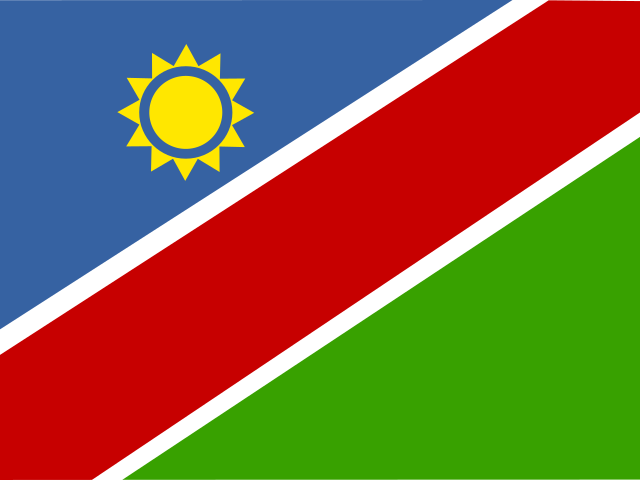
Namibia: Earth’s largest known meteorite still lies where it fell.

Travel guide

Featured on October 6, 2026

Namibia

Earth’s largest known meteorite still lies where it fell.

  • Windhoek
  • Africa
  • English

Places

Places to visit in Namibia

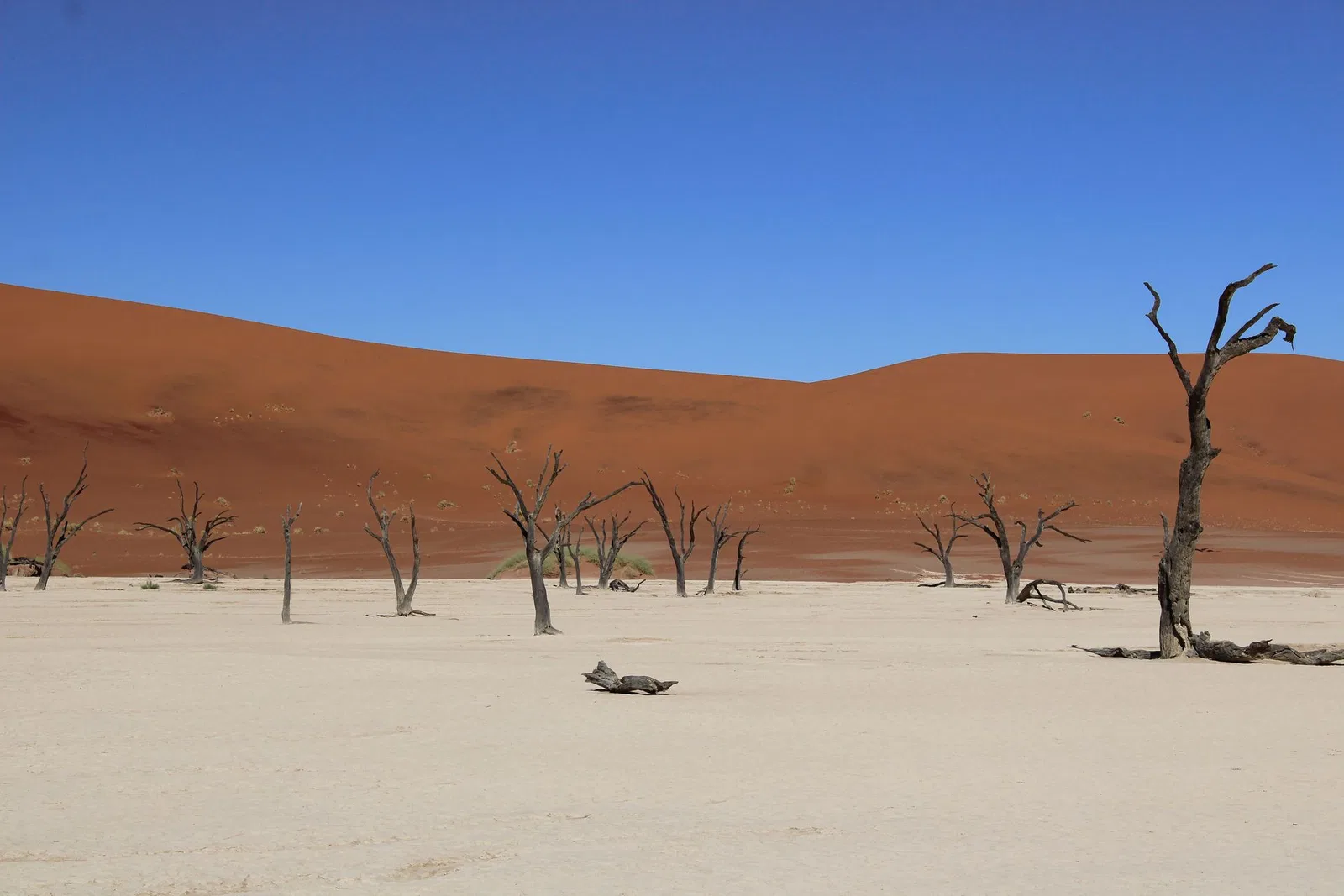
Sossusvlei, Namibia
Nature

Sossusvlei

Hub JACQU · Pexels License

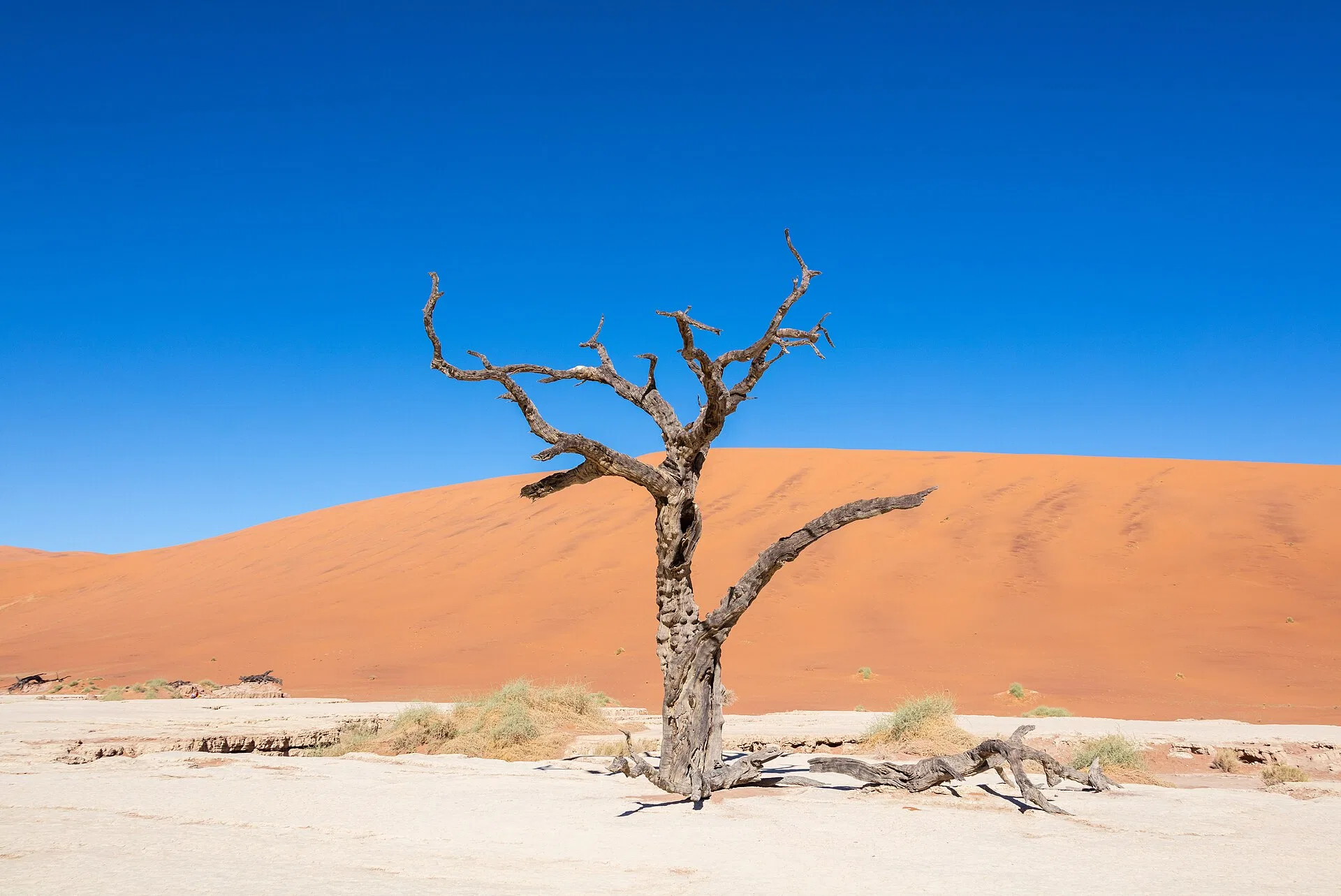
People come for the red dunes, the white pan and Deadvlei’s dead camel-thorn trunks, which look unreal until you stand among them. The classic rhythm is simple: climb a dune at dawn, then walk out onto the pan while the shadows are still long.

Tip: Be at Sesriem before sunrise; the colours are best early, and the sandy last stretch to Sossusvlei needs a 4x4 or the park shuttle.
  • Etosha National Park, Namibia
    Yathin S Krishnappa · CC BY-SA 3.0
    Nature

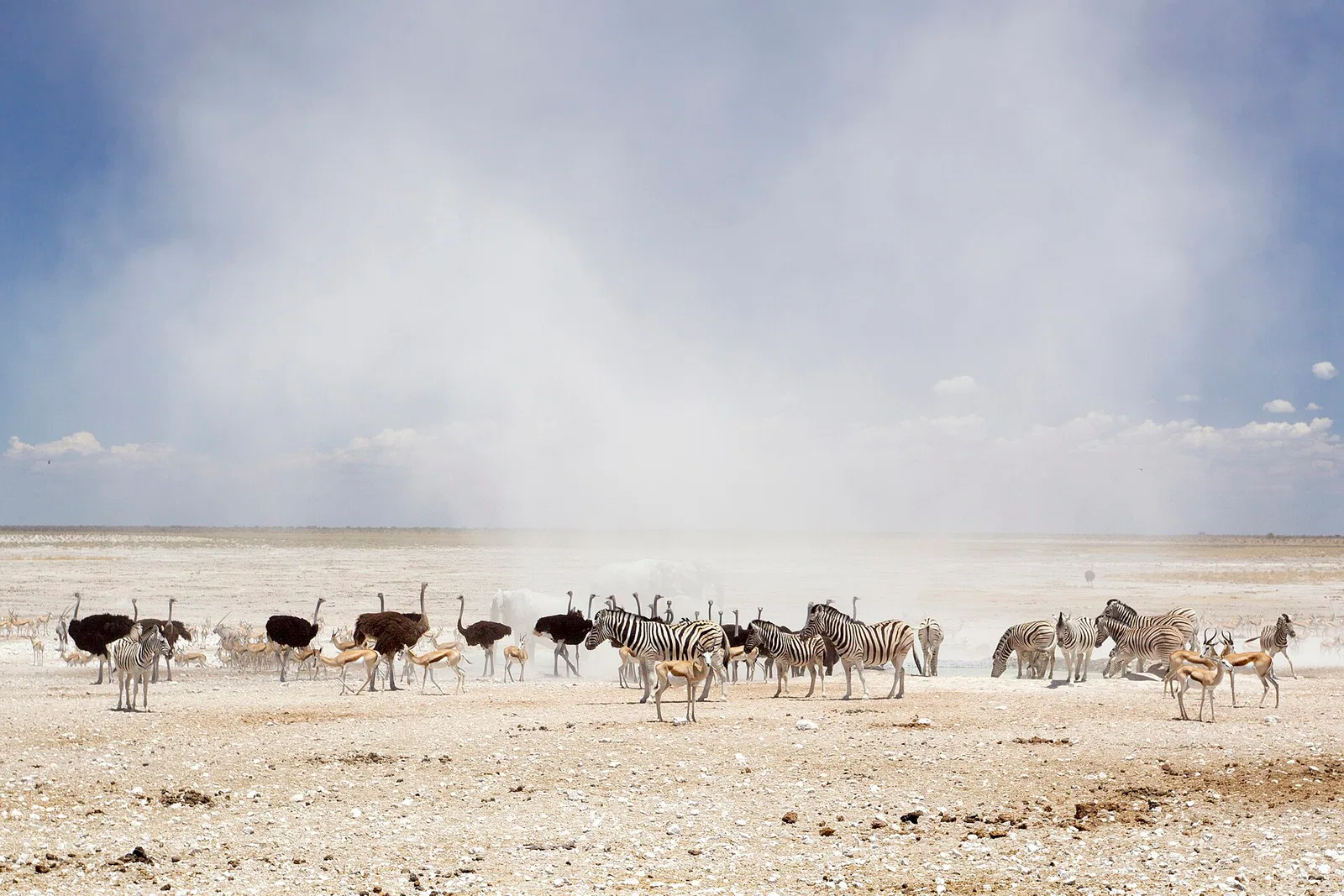
    Etosha National Park

    This is one of the easiest big-animal parks in Africa to do under your own steam: you drive from waterhole to waterhole and let elephants, springbok, lions and black rhino come to you. The pale Etosha Pan gives the whole park a stripped, open feel unlike the greener safari countries.

    Tip: The dry months are best for waterhole watching; stay inside the park if you can, so you can use the floodlit camp waterholes after dark.

  • Swakopmund, Namibia
    Olga Ernst &amp · CC BY-SA 4.0
    City

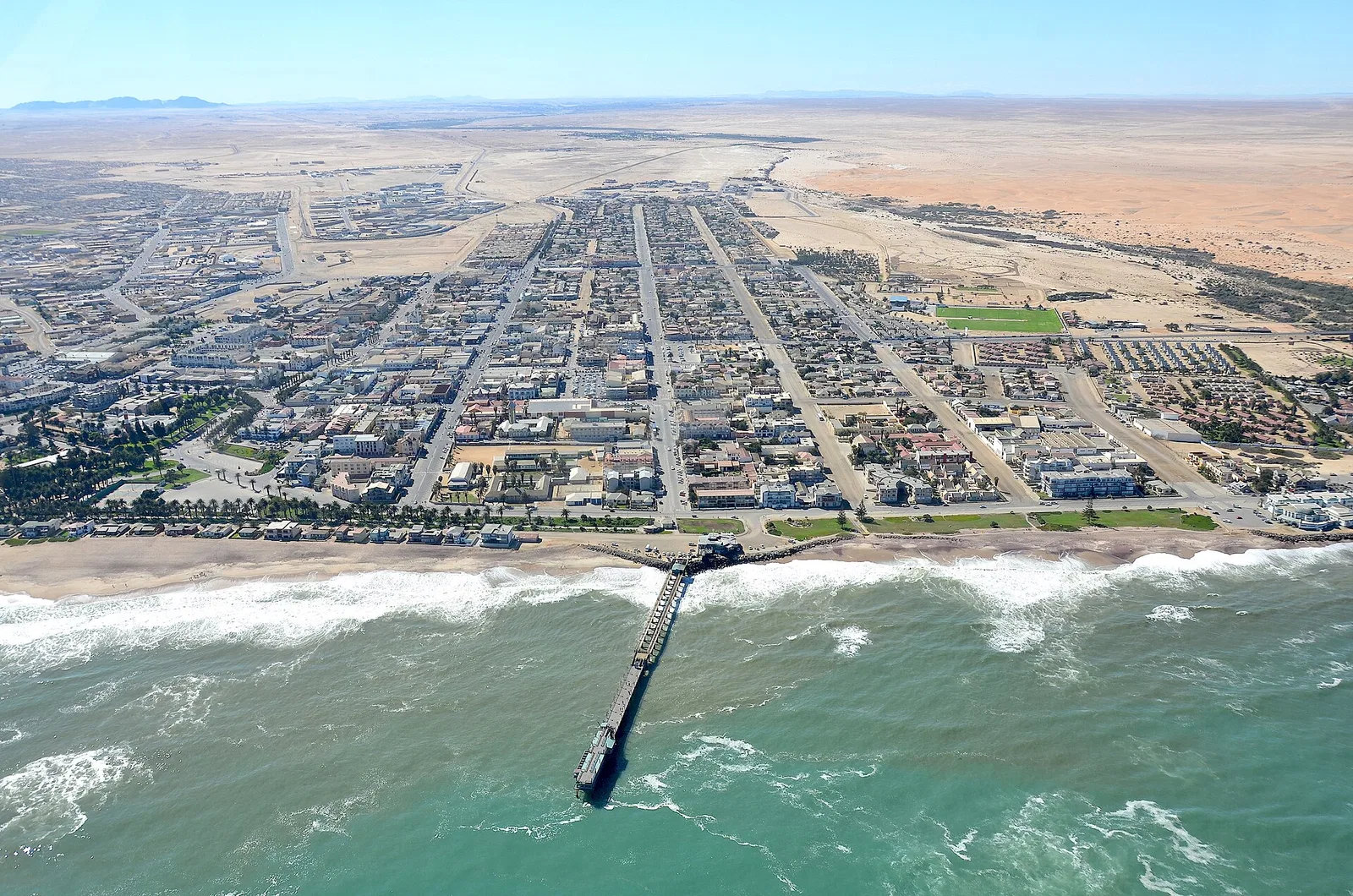
    Swakopmund

    Go for the odd pairing of German-era facades and cold Atlantic fog, then use the town as a base for what happens outside it. The best outing is a Living Desert drive, where a good guide shows you sidewinder tracks, translucent geckos and beetles harvesting water from mist.

    Tip: Book desert trips for the morning, when animals and tracks show best; pack a warm layer even in summer.

  • Twyfelfontein, Namibia
    Mike from Vancouver, Canada · CC BY 2.0
    History

    Twyfelfontein

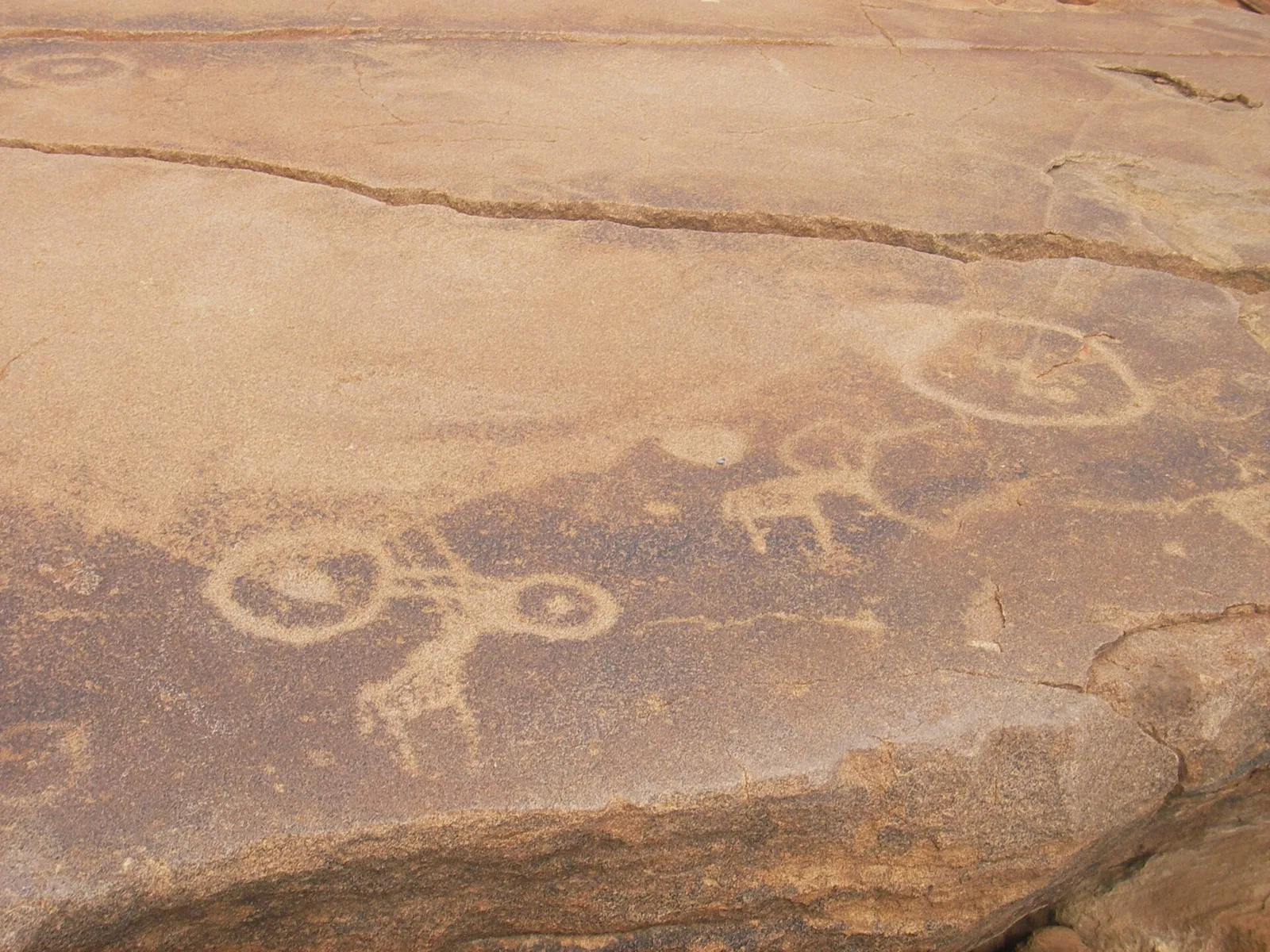
    This is the place to see how rock art stops being decoration and starts reading like memory. With a guide, the sandstone panels resolve into giraffe, rhino, spoor and abstract marks that speak to movement, water and belief.

    Tip: Go early or late; the official guided walk is worth paying for, and the rock throws back heat hard at midday.

  • Waterberg Plateau Park, Namibia
    Daniel Kraft · CC BY-SA 3.0
    History

    Waterberg Plateau Park

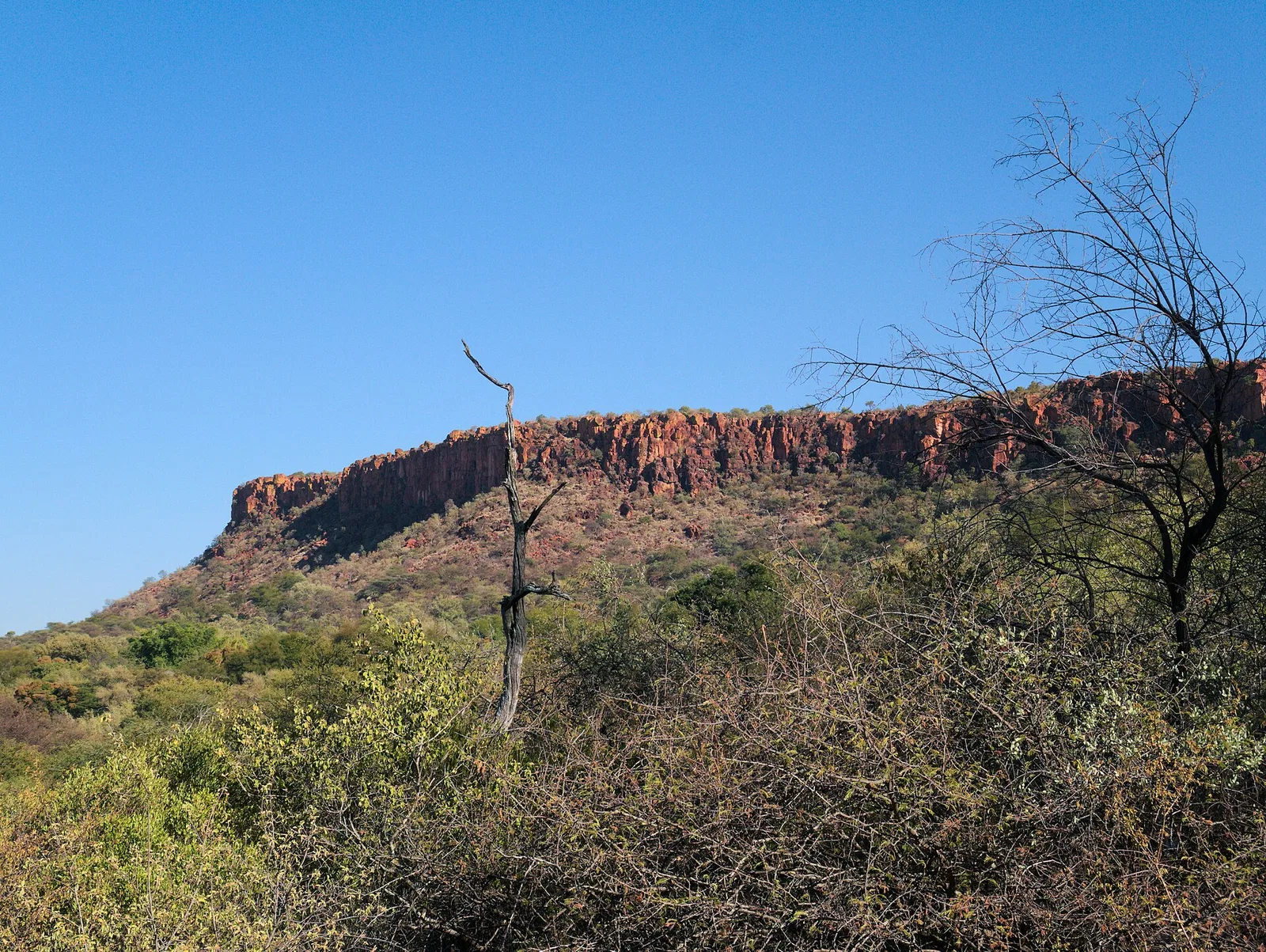
    The red sandstone plateau rises abruptly from thornveld, with short hikes to viewpoints and good birdlife along the base. It is also a place to hold in your head when reading about 1904: the landscape itself makes that break in the country’s story legible.

    Tip: Give it at least half a day; the walks are best early or late, and an overnight stop works well on the road between Windhoek and Etosha.

Eat

What to eat in Namibia

  • Kapana — Namibia
    Dustytinashe · CC BY-SA 4.0

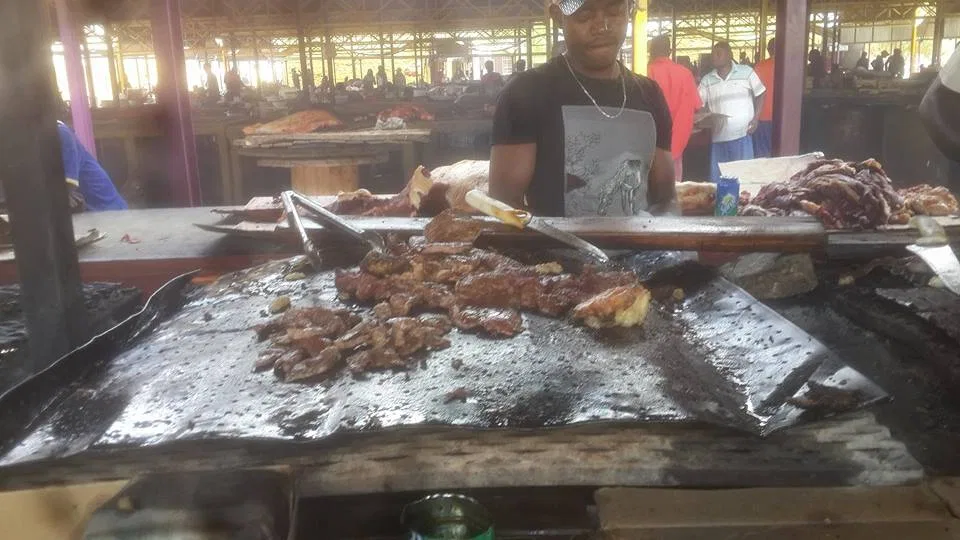
    Kapana

    Beef is cut into bite-size pieces, grilled on open iron plates, then dusted with chilli salt and eaten with a bread roll and chopped tomato-onion relish.

    Where: At the braai stalls in Katutura’s Single Quarters in Windhoek, standing up with everyone else.

  • Oshifima — Namibia
    Ji-Elle · CC BY-SA 4.0

    Oshifima

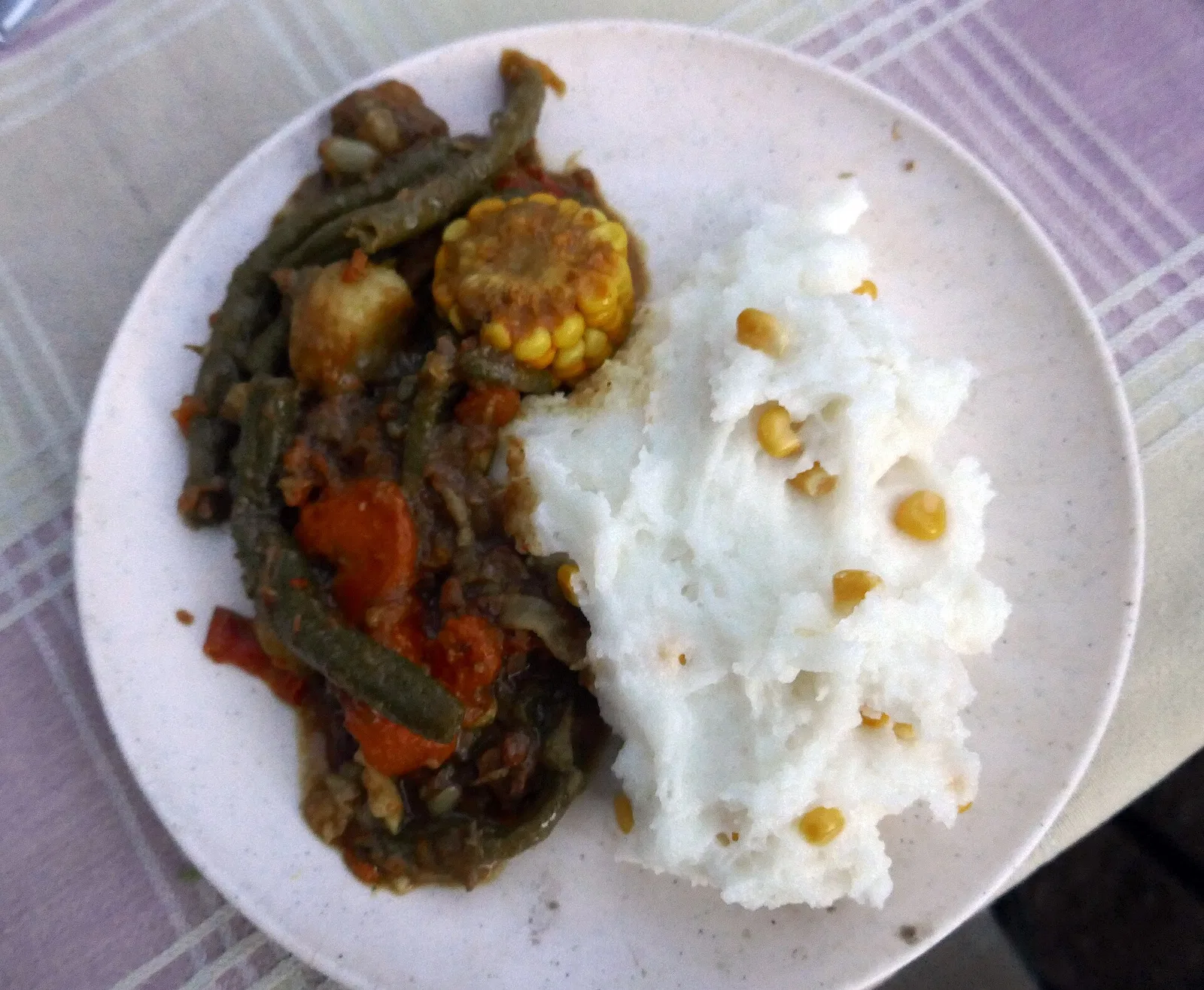
    A stiff porridge made from mahangu millet, rolled by hand and used to scoop up spinach, meat or sour milk.

    Where: At family tables in the north, especially around Oshakati and Ongwediva.

  • Mopane worm — Namibia
    ComQuat · CC BY-SA 3.0

    Mopane worm

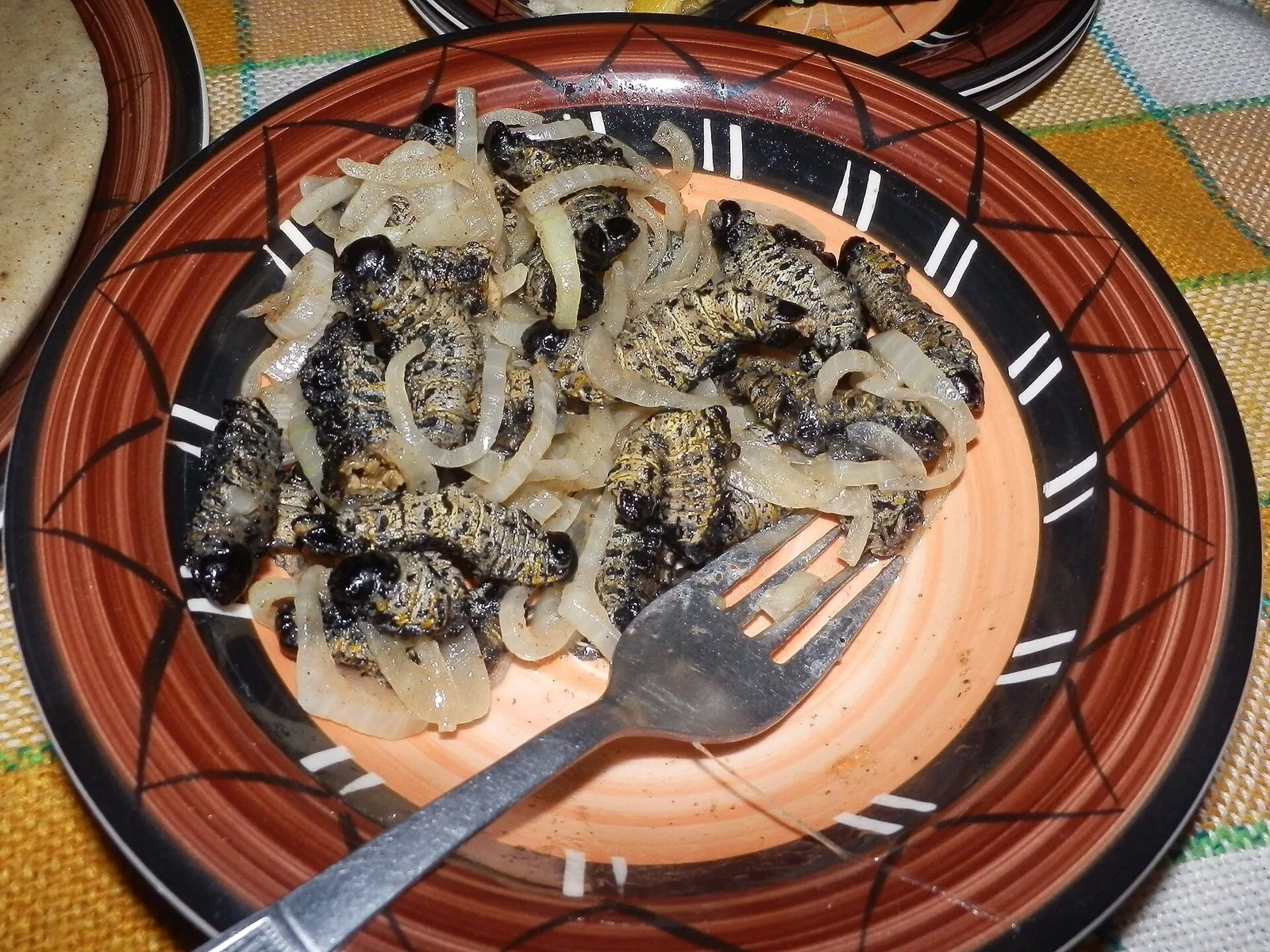
    The caterpillars of the emperor moth are dried or stewed with tomato and onion, giving a chewy, earthy bite.

    Where: From open markets and township stalls in the north, where they are everyday food rather than a dare.

  • Apple strudel — Namibia
    Fatih Maraşlıoğlu · Pexels License

    Apple strudel

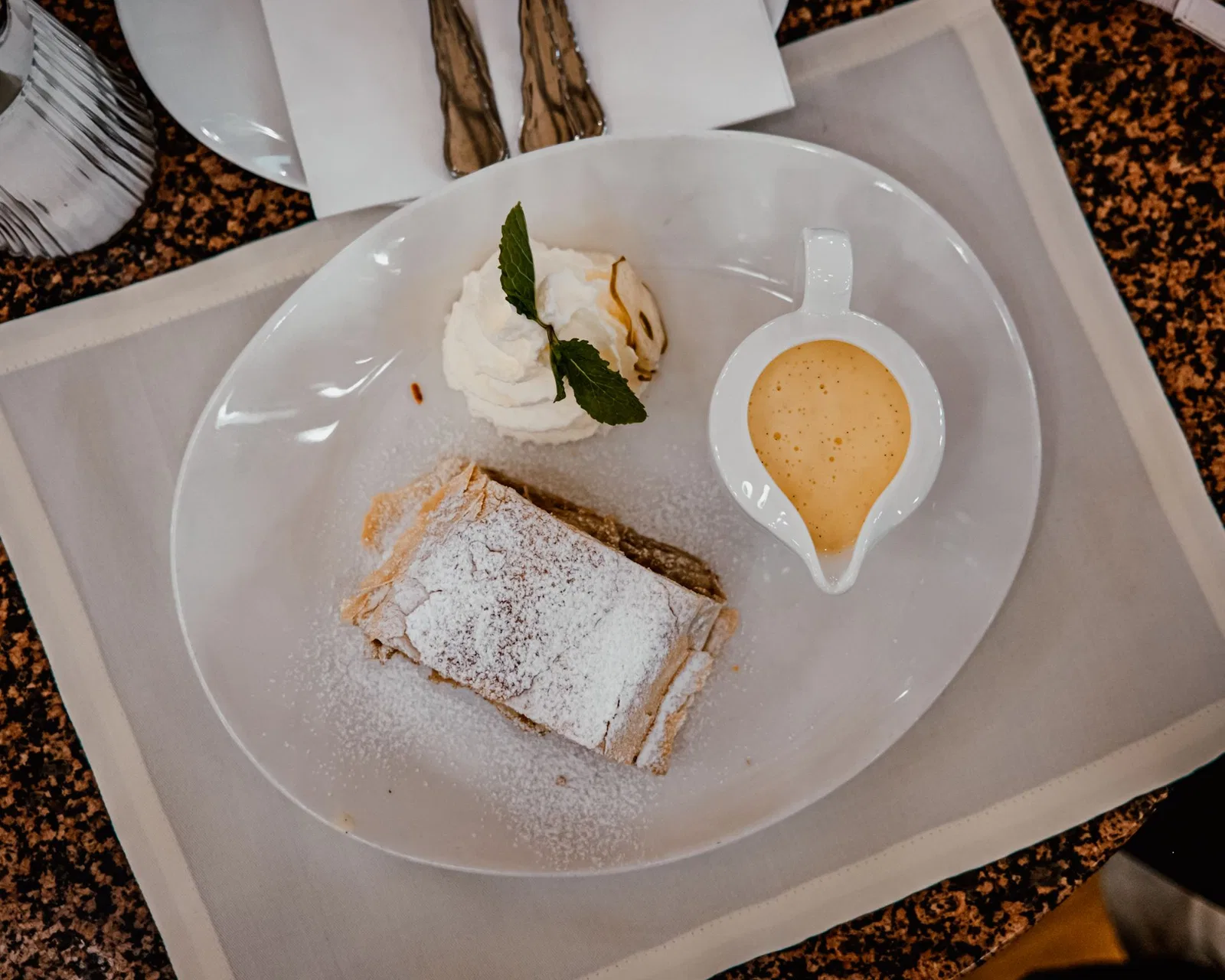
    Thin pastry is wrapped around apples, raisins and cinnamon, then baked until crisp and served warm, often with cream.

    Where: In old-style bakeries and coffee shops in Swakopmund and Windhoek, usually as a mid-morning stop rather than dessert.

Story

The story, in three chapters

At first light in Sossusvlei, the dunes turn from ash to rust so fast that whole car parks go quiet. A day later you can be in Swakopmund, smelling kelp and diesel in Atlantic fog with bakery windows behind you and cold surf ahead. What stays with people is the scale, and the habit of ending the day outside: a drink on a rock, an oryx in the distance, nobody in a hurry.

  1. Chapter 1

    Stone and cattle

    At Twyfelfontein, long before any border or capital, people pecked giraffe, rhino and human tracks into sandstone. Those marks sit in a landscape of springs and game paths, not in a museum hall. Across the south and west, Nama and Damara communities moved with stock through hard dry country. In the north, Ovambo courts grew strong on cattle and trade running toward Angola.

  2. Chapter 2

    Waterberg, then Shark Island

    In 1904, after the battle of Waterberg, Herero families fled east with cattle and children as German troops cut them off from water. General Lothar von Trotha’s extermination order turned defeat into genocide. Near Lüderitz, Nama prisoners were later held on Shark Island in tents facing Atlantic wind and cold. The colonial rupture here happened at named wells, camps and railway sidings.

  3. Chapter 3

    Midnight in Windhoek

    Just after midnight on 21 March 1990, Sam Nujoma took the oath in Windhoek as a new flag rose and the old one came down. It was a midnight ceremony, not a next-morning formality. Independence did not wipe away the older layers. You still move through them in a day: German cake on the coast, kapana smoke in Katutura, Herero dresses in town and long roads crossing land older than the border.

Say hello

Say it like a local

  • Eewa

    Yes; okay; I hear you

    Say: EE-wah

  • Now now

    In a little while, not immediately

    Say: now now

  • Just now

    Later; sometimes later than you think

    Say: just now

  • Tate

    A respectful way to address an older man

    Say: TAH-teh

  • Meme

    A respectful way to address an older woman

    Say: MEH-meh

Surprises

Things you did not know

  1. Walvis Bay remained under South African control until 1994. Independent Namibia spent its first years without its best deep-water harbour.

  2. Kolmanskop installed an X-ray machine to search workers for stolen diamonds. Suspicion was built into the ghost town’s daily architecture.

  3. The Sperrgebiet diamond zone was sealed off for so long that it became an accidental wildlife refuge. Much of that once-forbidden area now lies inside Tsau ǁKhaeb National Park.

Quiz

One question

Which ocean current is largely responsible for Namibia’s coastal fog?

3 days

3 days in Namibia

  1. Day 1

    Windhoek to Waterberg

    Morning drive from Windhoek to Waterberg Plateau Park; afternoon walk to the viewpoint trails; evening at the base of the plateau.

  2. Day 2

    Waterberg to Etosha east

    Early drive via Otjiwarongo and Tsumeb; enter Etosha National Park at Von Lindequist Gate; late afternoon at the eastern waterholes near Namutoni.

  3. Day 3

    Across Etosha

    Morning game drive from Namutoni toward Halali and Okaukuejo, stopping at waterholes; evening at Okaukuejo’s floodlit waterhole.

At a glance

Namibia: know before you go

Best time to go
May to October for cool, dry weather and the best wildlife viewing at waterholes; the green season brings birds, clouds and heat.
Budget
MidBeds and meals can be fair, but car hire, fuel, park stays and long distances push totals up quickly.
Etiquette
Greet first, especially in smaller towns and rural areas; going straight to the request can sound blunt. Ask before photographing people, homesteads or Himba villages, and do not touch rock-art panels.
Safety
The real risk is the road: long gravel stretches, punctures, animals at dusk and big gaps without fuel or signal. Avoid night driving, carry plenty of water and a proper spare, and use normal city caution with phones and bags in Windhoek and Swakopmund.

At a glance

Capital
Windhoek
Population
2,533,794
Area
825,615 km² · 318,772 sq mi
Languages
English
Currency
Namibian Dollar (NAD)
Time zone
UTC+02:00, Africa/Windhoek
Calling code
+264
Drives on the
Left
Internet domain
.na
Landlocked
No, it has a coastline
More facts
Continent
Africa

Member of

  • African Union
  • United Nations

Neighbouring countries

Listen

Listen & watch

Before you go, watch or read

The Sheltering Desert

Book

Henno Martin’s wartime memoir turns the Namib from scenery into lived ground, full of weather, geology and long silences.

Entry requirements

Namibia visa requirements

Namibia entry requirements by passport: of 197 passports, 70 can enter without a visa, 36 get a visa on arrival, 14 apply online before they travel and 77 need a visa from an embassy or consulate.

Find your passport for the documents, the cost and how long you can stay.

Safety

Namibia safety: is it safe to visit?

Level 2 of 4Exercise Increased Caution

Due to crime

US State Dept, updated July 15, 2025. Advisories change: check your own government's travel advice before you go.

From the community

Trip stories from Namibia

Countries

🇳🇦 Today's country is Namibia. Earth’s largest known meteorite still lies where it fell. At first light in Sossusvlei, the dunes turn from ash to rust so fast that whole car parks go quiet. A day later you can be in Swakopmund, smelling kelp and diesel in Atlantic fog with bakery windows behind you and cold surf ahead. What stays with people is the scale, and the habit of ending the day outside: a drink on a rock, an oryx in the distance, nobody in a hurry. 📍 Places to visit • Sossusvlei…

Questions

Namibia: frequently asked questions

Namibia visa: do I need one?
Namibia entry requirements by passport: of 197 passports, 70 can enter without a visa, 36 get a visa on arrival, 14 apply online before they travel and 77 need a visa from an embassy or consulate.
Namibia: is it safe to visit?
US State Dept rates Namibia at level 2 of 4. Exercise Increased Caution: Due to crime.
Namibia: when is the best time to visit?
May to October for cool, dry weather and the best wildlife viewing at waterholes; the green season brings birds, clouds and heat.
Namibia: what currency is used?
Currency in Namibia: Namibian Dollar (NAD).
Namibia: what language do people speak?
Languages of Namibia: English.
Namibia: what is the capital?
The capital of Namibia is Windhoek.

Travel guide

In the community

0 travelers0 trips1 wishlisted

See who has been there and what you need to travel.

Join the community

Track the countries you have visited and meet travelers who have been there.