Western Sahara: Bou Craa’s phosphate reaches the coast on a conveyor across the desert.

Travel guide

Featured on September 25, 2026

Western Sahara

Bou Craa’s phosphate reaches the coast on a conveyor across the desert.

  • Africa
  • Arabic

Places

Places to visit in Western Sahara

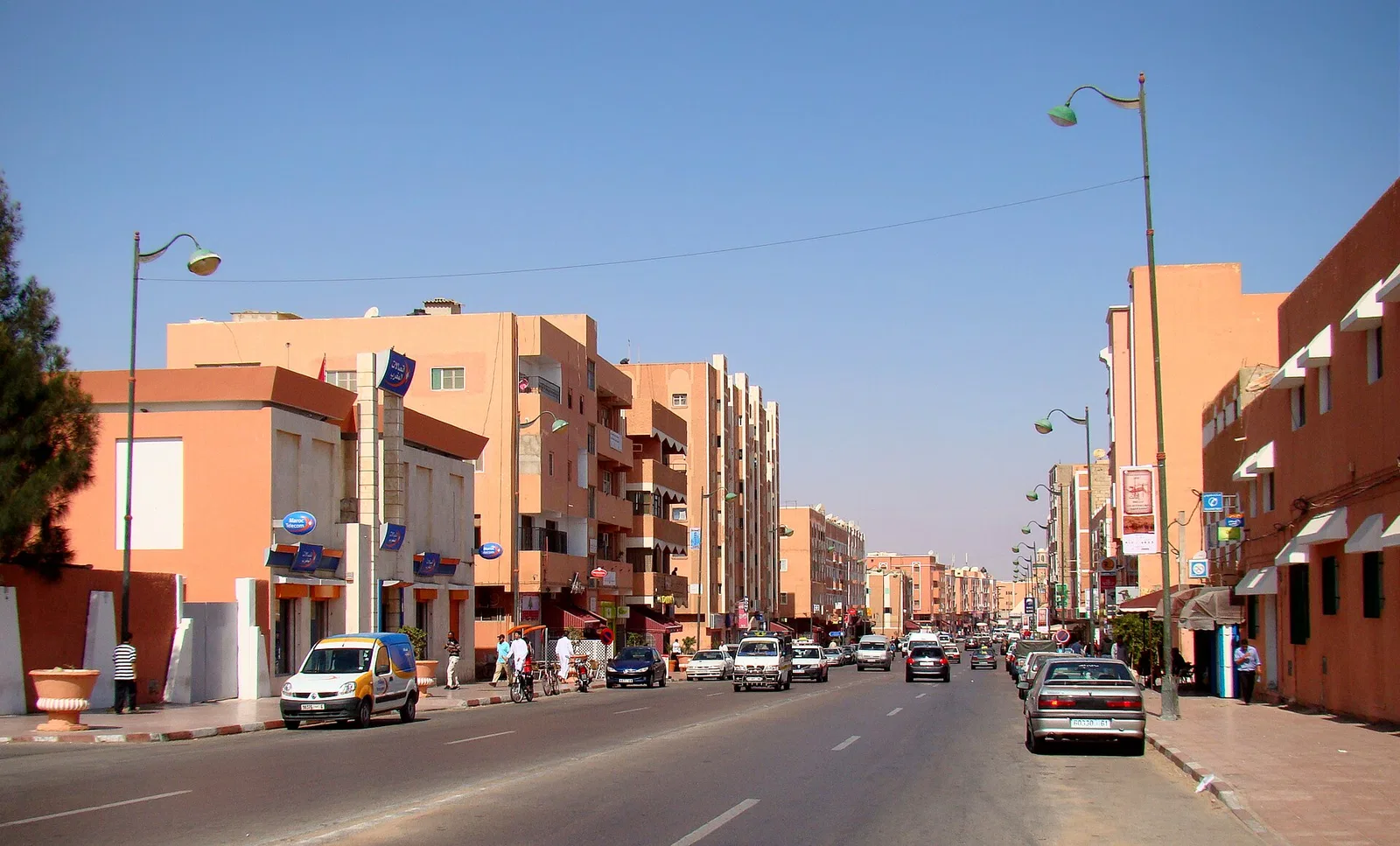
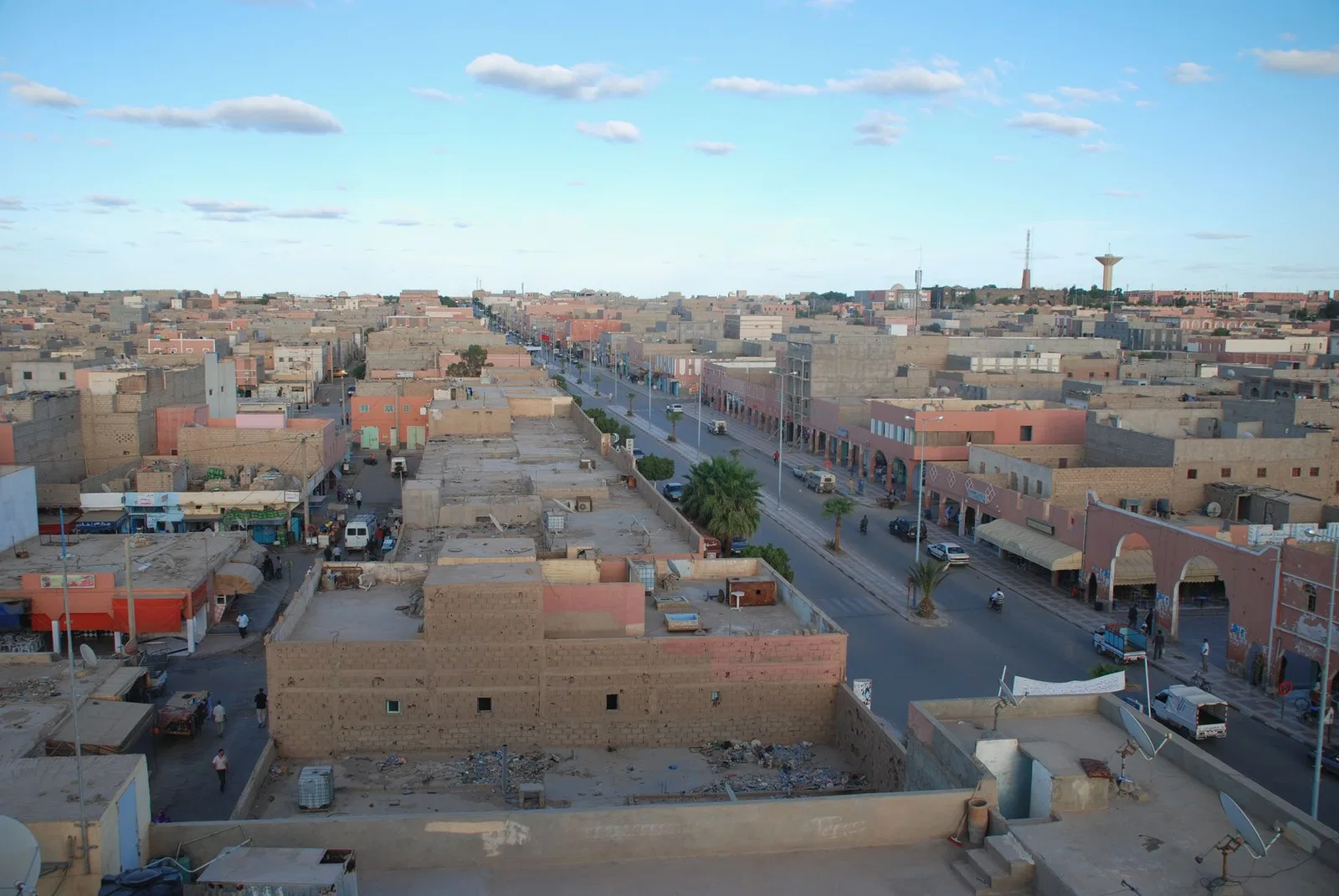
Laayoune, Western Sahara
City

Laayoune

Bjørn Christian Tørrissen · CC BY-SA 3.0

This is where you see how the territory works in ordinary time: wide avenues, the Spanish-era St. Francis of Assisi Cathedral, the market, and the dry course of the Saguia el-Hamra. Come for tea houses and the daily administrative hum, not monuments alone.

Tip: Give the centre half a day; late afternoon is better than midday.
  • Dakhla Peninsula, Western Sahara
    Moussa Idrissi · Pexels License
    Adventure

    Dakhla Peninsula

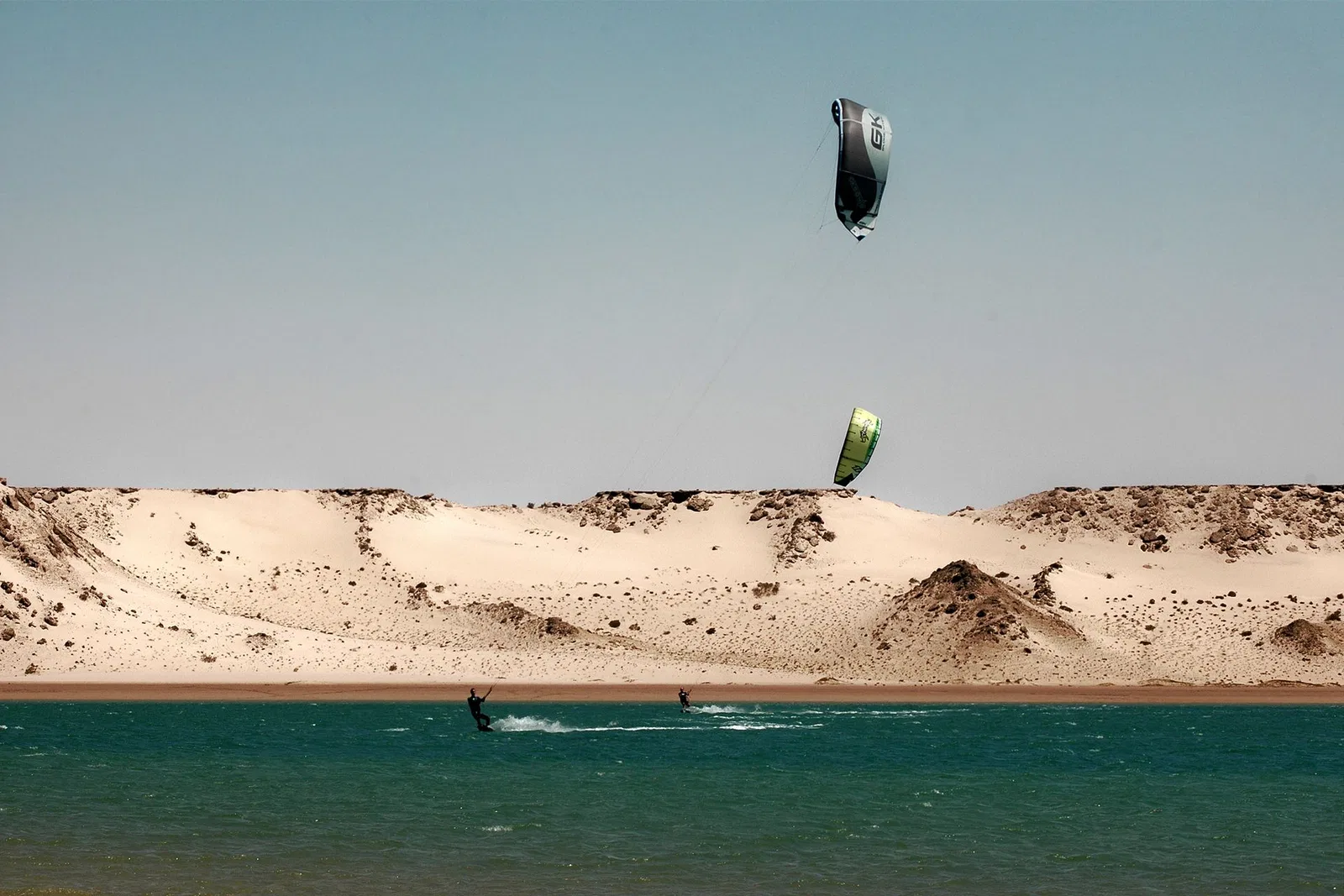
    The peninsula puts flat lagoon water on one side and open Atlantic surf on the other. People come to kitesurf, watch birds in the shallows, and drive out until town gives way to dune, rock, and wind.

    Tip: Stay at least two nights; if you want a lesson or a lagoon excursion, book ahead.

  • Smara, Western Sahara
    Bertramz · CC BY-SA 3.0
    History

    Smara

    This inland town matters because it was the old religious and caravan centre. You come for the remains associated with Ma al-Aynayn and for a sense of Sahrawi life away from the coast.

    Tip: Best as a long day trip or overnight from Laayoune; ask locally about road conditions before setting out.

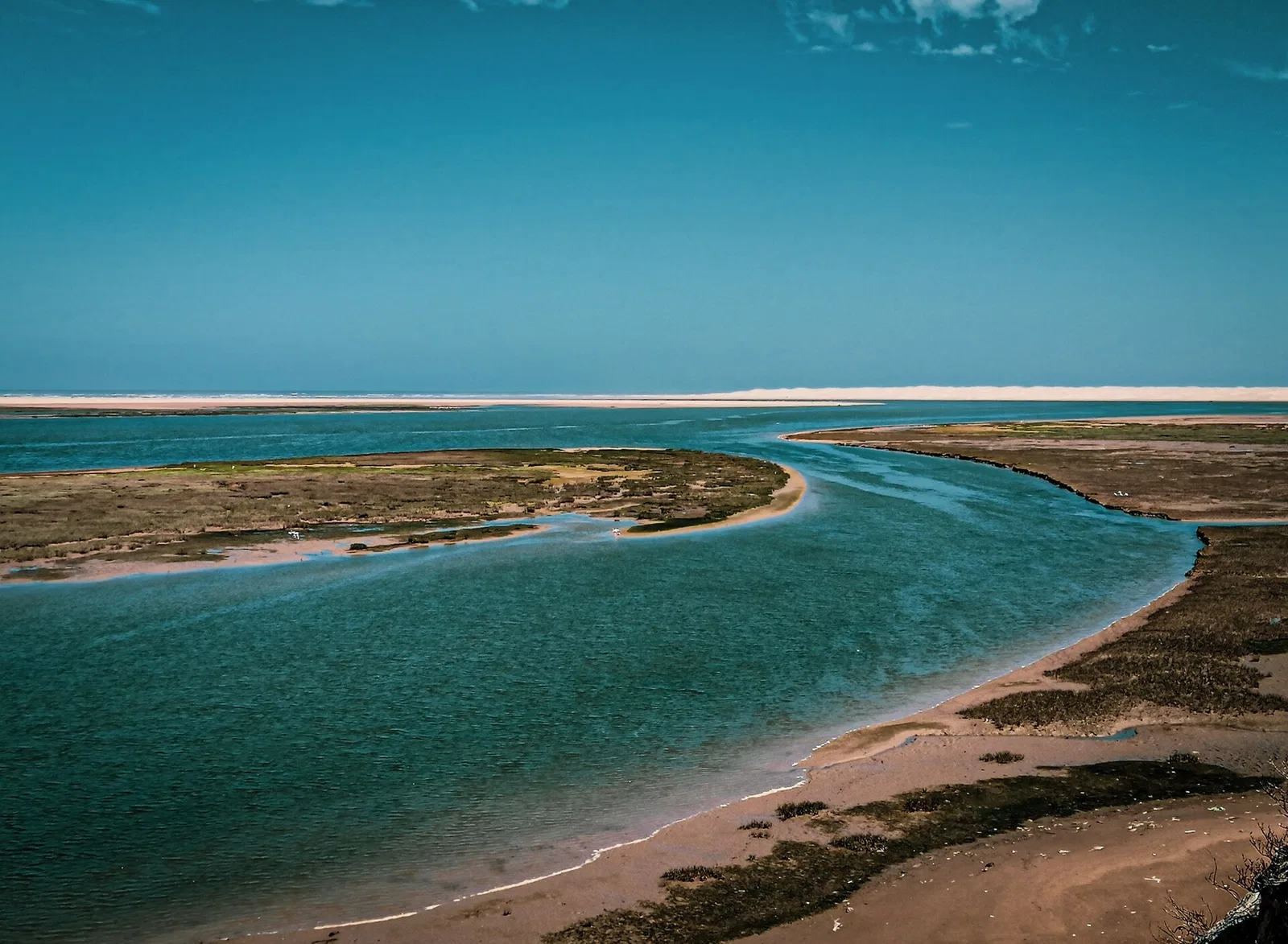
  • Khenifiss National Park, Western Sahara
    ZAINEB HACHAMI · CC BY-SA 4.0
    Nature

    Khenifiss National Park

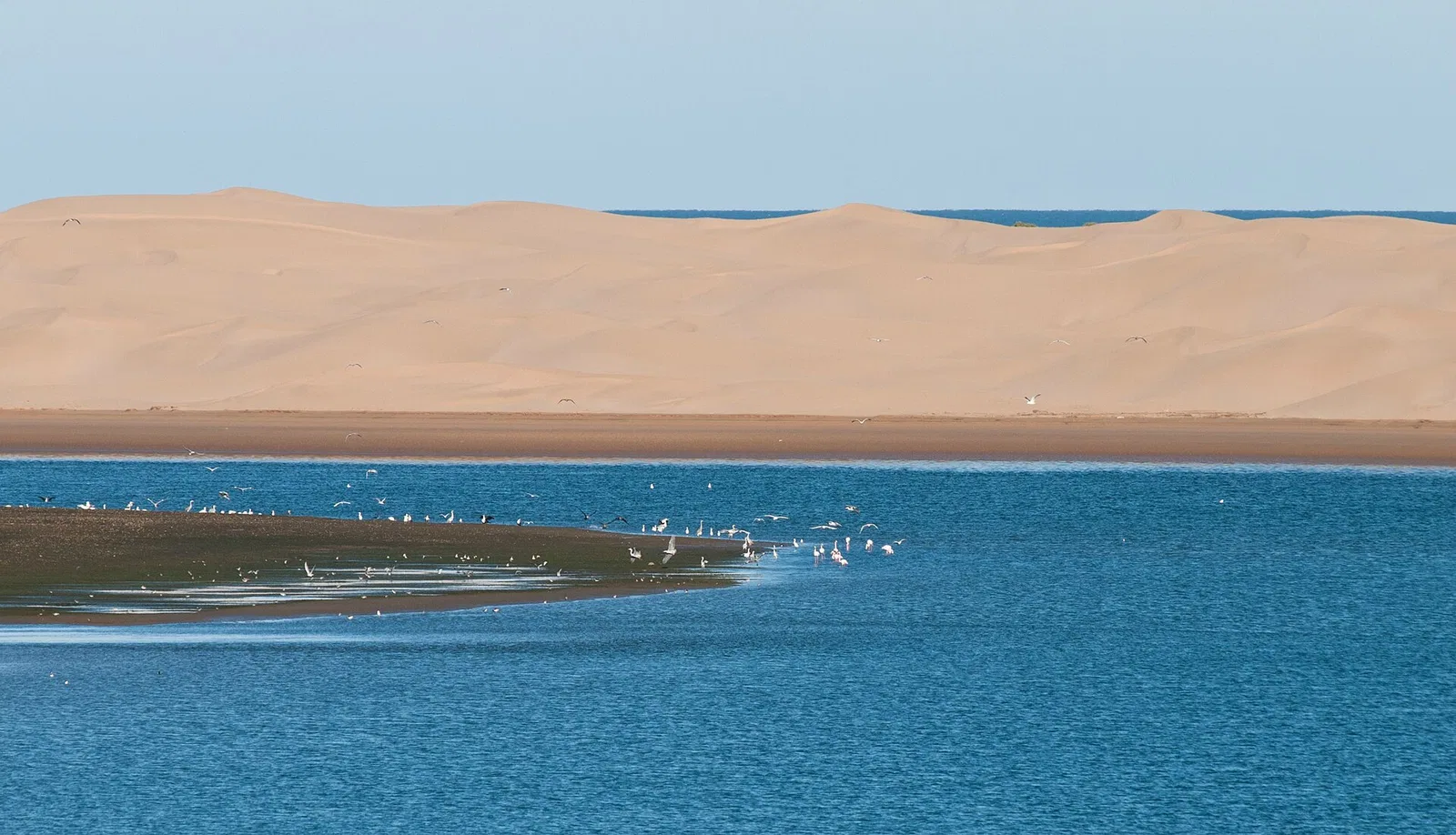
    The lagoon, salt flats, dunes, and low cliffs make one of the strangest landscapes on the Atlantic route south. Birdlife is the draw, especially when flamingos turn the waterline into a moving seam.

    Tip: Go in the cooler months and carry your own water; first and last light are best.

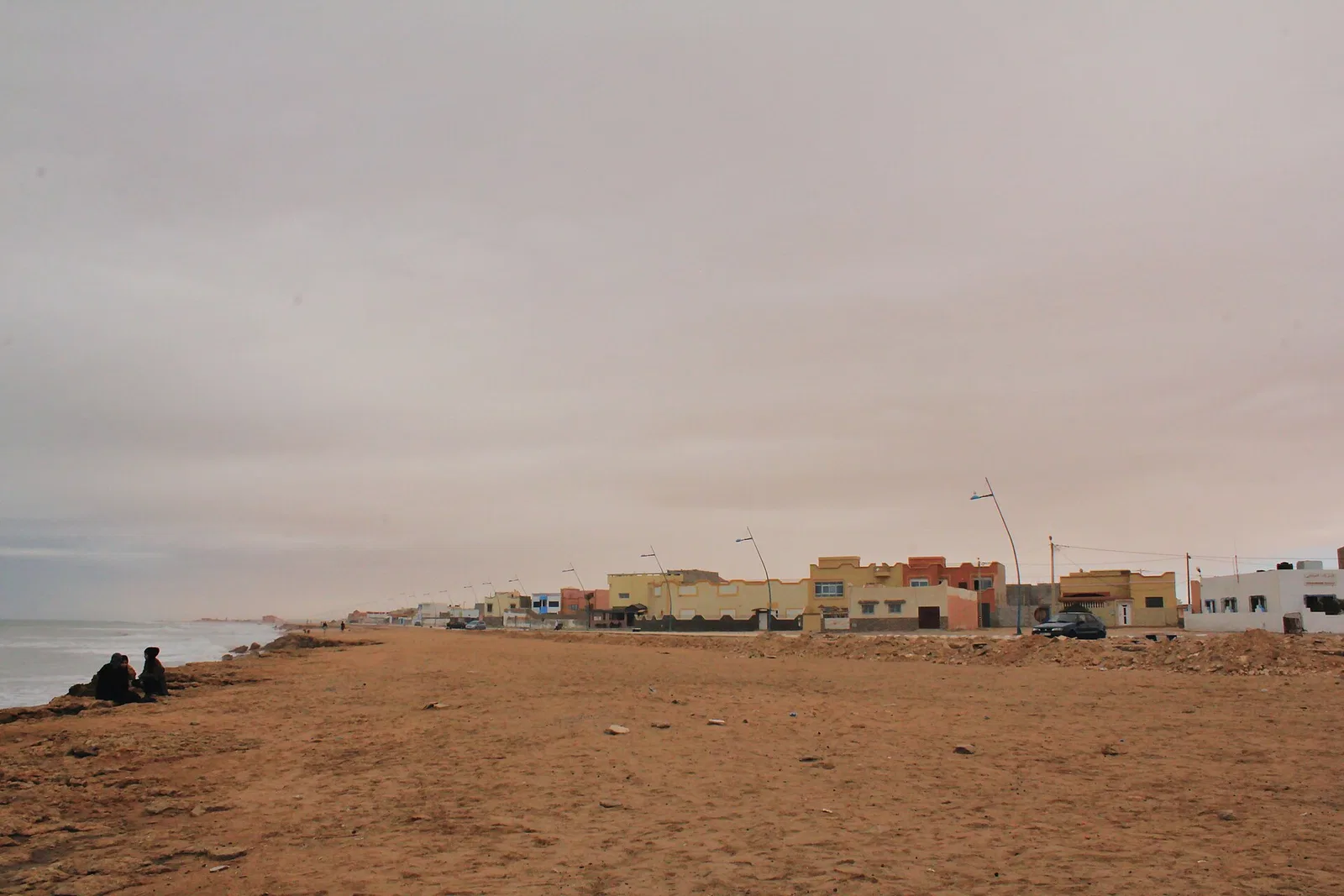
  • Foum El Oued, Western Sahara
    Nassima Chahboun · CC BY-SA 4.0
    Beach

    Foum El Oued

    This is where Laayoune goes for sea air. Walk the beach, watch families settle in with tea, and see how the coast feels when it belongs to residents on an ordinary evening.

    Tip: Come near sunset, when the light softens and more locals arrive.

Eat

What to eat in Western Sahara

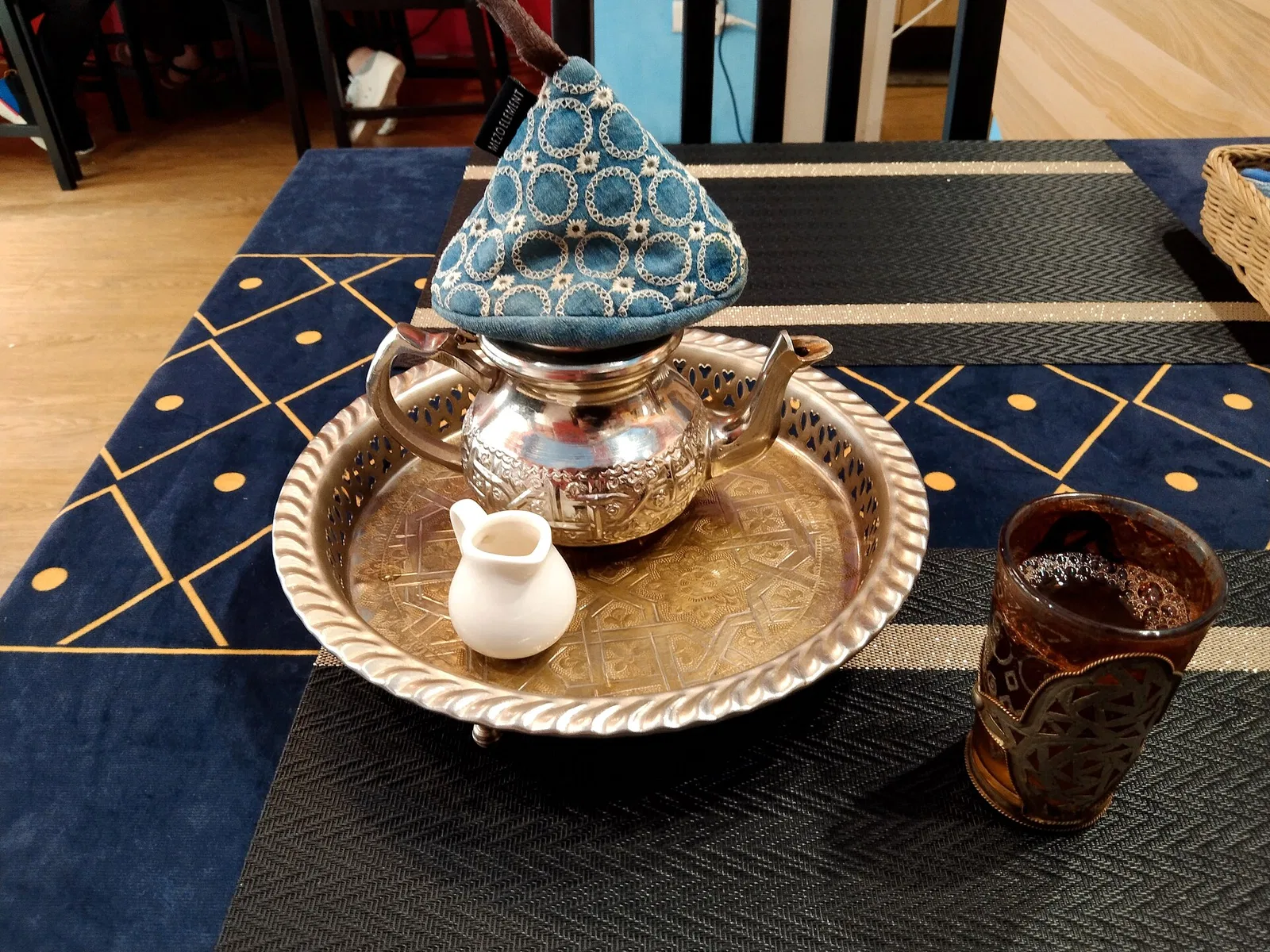
  • Atay — Western Sahara
    Foxy1219 · CC BY-SA 4.0

    Atay

    Green tea is brewed strong with mint and heavy sugar, then poured back and forth until it foams.

    Where: Everywhere people sit for a while: homes, workshops, offices, and roadside cafés; often before any real conversation starts.

  • Zrig

    Camel or cow milk is whisked with water and sugar into a cold, lightly tangy drink, sometimes with a hint of fermentation behind it.

    Where: At family tables and simple lunch places, especially on hot days and more often inland.

  • Mella

    A round bread is buried under hot sand and embers, baked, knocked clean, and torn apart to eat with meat, olive oil, or tea.

    Where: On desert outings and camp-style meals outside town, more often by arrangement than off a menu.

  • Camel stew

    Camel meat cooks slowly with onions, tomatoes, and spices until it softens, with bread nearby to drag through the sauce.

    Where: In plain lunch restaurants in Laayoune or Smara, and at family meals when there is time to cook.

Story

The story, in three chapters

In Laayoune, afternoons empty out, then fill again when the tea trays come. On the road south, the air smells of hot dust, diesel, and Atlantic salt before you see the water. What stays with you is the rhythm: checkpoint, long straight road, wind in the window, then mint and sugar poured from high above the glass.

  1. Chapter 1

    Smara begins

    In 1898, Ma al-Aynayn chose an inland site and founded Smara. He built a religious centre, and caravans began stopping there with books, salt, cloth, and news. Spain had posts on the coast, but authority inland still travelled by tribe, scholar, and camel. The desert town mattered because it was not coastal.

  2. Chapter 2

    The march south

    In November 1975, King Hassan II called the Green March. Columns of civilians moved toward the territory carrying Moroccan flags and Qurans, while Spain prepared to leave. The Madrid Accords followed. Polisario fighters kept fighting, and many Sahrawi families fled east toward Algeria.

  3. Chapter 3

    Tea and checkpoints

    Now the approach to Laayoune has a checkpoint rhythm: brake lights, papers, a nod, the road again. In the city, business pauses for atay, and conversations stretch longer than the pour. Morocco administers the Atlantic towns and the long highway west of the sand berm; Polisario controls a smaller eastern area, and many Sahrawis still live in camps near Tindouf. The argument is old. The waiting is daily.

Say hello

Say it like a local

  • شنه خبارك؟

    How are you?; literally, what is your news?

    Say: she-nuh khbaarak?

  • مرحب بيك

    Welcome; good to have you here

    Say: marh-ba beek

  • أبغيت أتاي

    I'd like some tea

    Say: ab-gheet a-tie

  • ماني فاهم

    I don't understand

    Say: maa-nee faa-hem

Surprises

Things you did not know

  1. Spain did not create a single colony called Spanish Sahara until 1958. Before that, Saguia el-Hamra and Río de Oro were administered separately.

  2. Western Sahara has the internet code .eh, but it is only reserved, not delegated for ordinary public use.

  3. The African Union includes the Sahrawi Arab Democratic Republic as a member. Morocco left the Organization of African Unity in 1984 over the issue and returned to the African Union in 2017.

Quiz

One question

What does the name Laayoune, also written El Aaiún, refer to?

3 days

3 days in Western Sahara

  1. Day 1

    Laayoune and the coast

    Morning in Laayoune around the cathedral, market, and central streets; afternoon rest; late afternoon and sunset at Foum El Oued, then tea back in Laayoune.

  2. Day 2

    South on the N1

    Leave Laayoune early, stop at Khenifiss National Park for the lagoon and birdlife, then continue south to Dakhla for an evening walk by the water.

  3. Day 3

    Lagoon, dunes, desert pools

    Spend the morning on the Dakhla Peninsula, take the afternoon detour to Imlili, and return to Dakhla for tea and a last windy sunset.

At a glance

Western Sahara: know before you go

Best time to go
October to April for road travel, walking, and inland excursions; the coast stays windy much of the year.
Budget
MidMeals and simple town stays can be reasonable, but the distances are long and Dakhla accommodation can raise the bill fast.
Etiquette
Say hello before launching into a question. Tea is hospitality, not a prop; if someone sits you down for it, do not treat the moment as a rushed transaction.
Safety
The real risk is usually distance, fatigue, and going off-road where there may be mines or military zones, especially east of the berm. Keep your passport handy at checkpoints, avoid photographing police or military sites, and stick to known roads or trusted local guides in the desert.

At a glance

Population
612,000
Area
266,000 km² · 102,703 sq mi
Languages
Arabic
Currency
Moroccan Dirham (MAD)
Time zone
UTC+01:00
Calling code
+212
Drives on the
Right
Landlocked
No, it has a coastline
More facts
Continent
Africa

Neighbouring countries

Listen

Listen & watch

The song of the day

Haiyu

Mariem Hassan

Mariem Hassan is the voice many people start with in Sahrawi music, and this track carries the handclap pulse and desert swing that define her sound.

Play a 30-second preview30-second clip via Apple Music

Before you go, watch or read

Hamada

Film

It turns the Sahrawi refugee camps near Tindouf from an abstract dispute into rooms, jokes, dust, and stalled time.

From the community

Trip stories from Western Sahara

Countries

🇪🇭 Today's country is Western Sahara. Bou Craa’s phosphate reaches the coast on a conveyor across the desert. In Laayoune, afternoons empty out, then fill again when the tea trays come. On the road south, the air smells of hot dust, diesel, and Atlantic salt before you see the water. What stays with you is the rhythm: checkpoint, long straight road, wind in the window, then mint and sugar poured from high above the glass. 📍 Places to visit • Laayoune — This is where you see how the…

Questions

Western Sahara: frequently asked questions

Western Sahara: when is the best time to visit?
October to April for road travel, walking, and inland excursions; the coast stays windy much of the year.
Western Sahara: what currency is used?
Currency in Western Sahara: Moroccan Dirham (MAD).
Western Sahara: what language do people speak?
Languages of Western Sahara: Arabic.

Travel guide

In the community

See who has been there and what you need to travel.

Join the community

Track the countries you have visited and meet travelers who have been there.