China: The world’s longest man-made waterway runs from Beijing to Hangzhou.

Travel guide

Featured on October 21, 2026

China

The world’s longest man-made waterway runs from Beijing to Hangzhou.

  • Beijing
  • Asia
  • Putonghua

Places

Places to visit in China

Beijing, China
City

Beijing

Kaca Pic · Pexels License

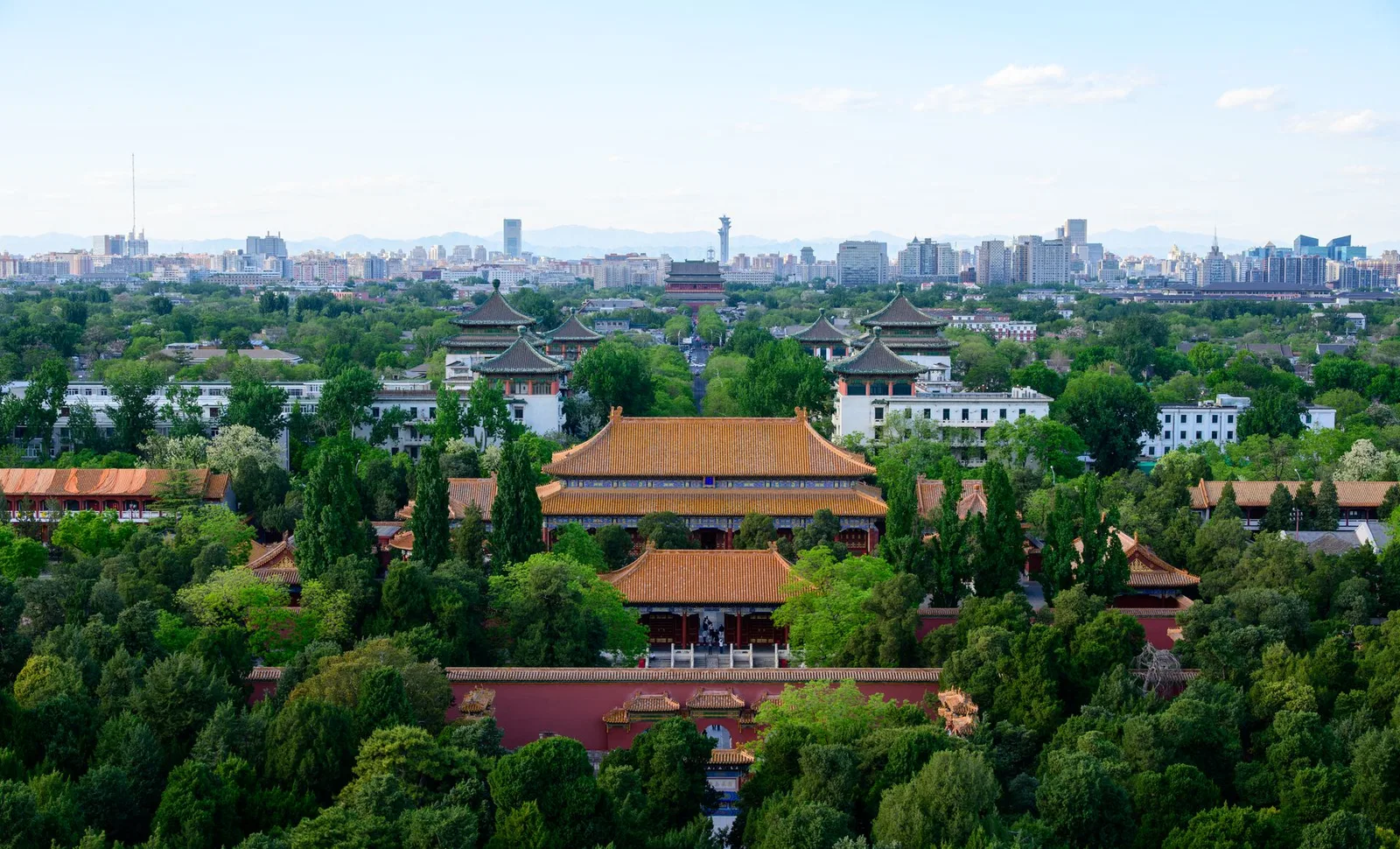
Walk the imperial axis from Tiananmen to the Forbidden City, then slip into hutong lanes, park chess games and temple courtyards that show the city at street level.

Tip: Give it at least three days; book major sights ahead, especially the Forbidden City.
  • Shanghai, China
    King of Hearts · CC BY-SA 4.0
    City

    Shanghai

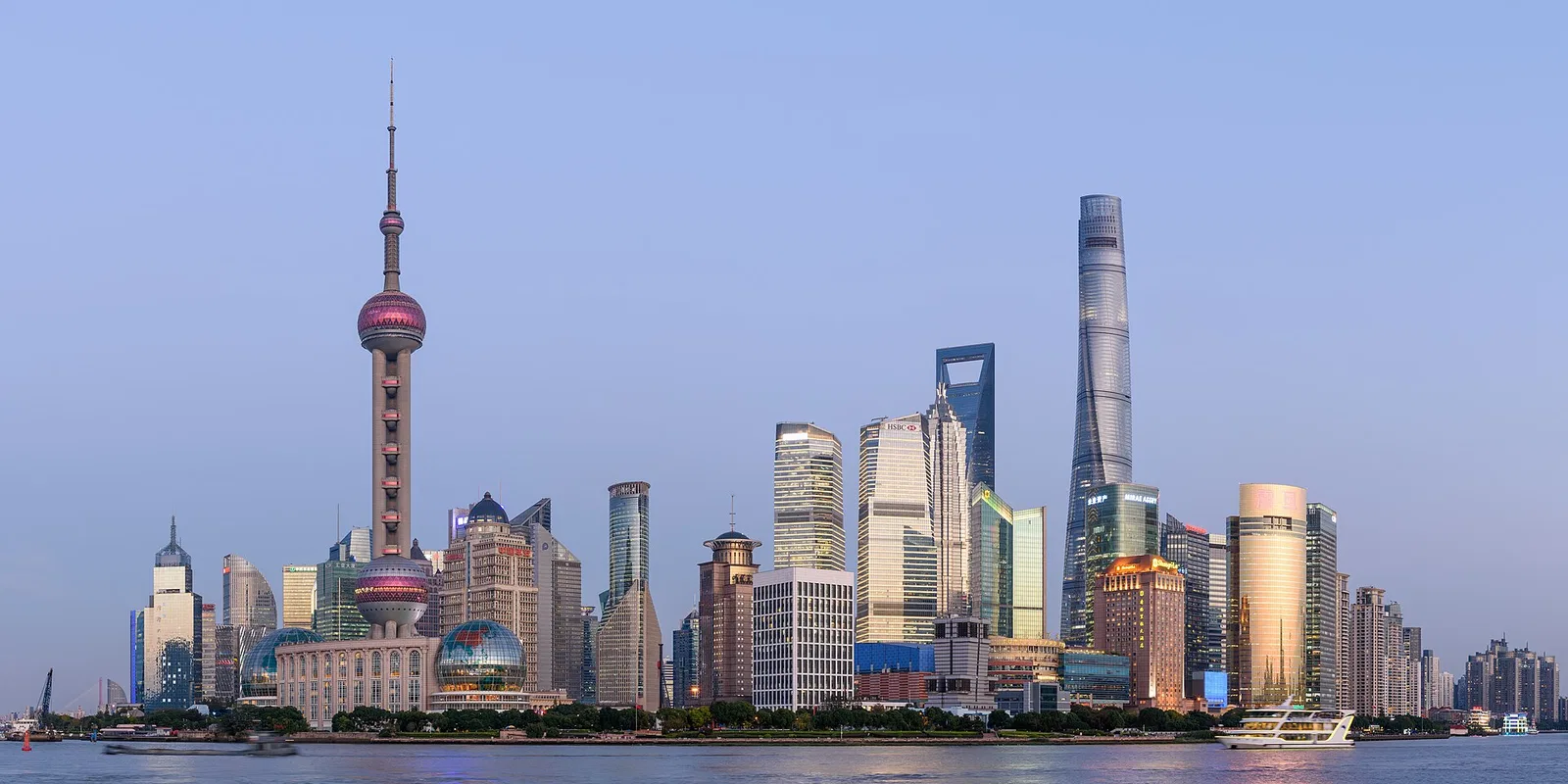
    Go for the Bund and the skyline, then spend the rest of the day in the former French Concession and older lilong lanes where the city shrinks to barber shops, dumpling counters and plane trees.

    Tip: Walk the Bund early in the morning or after dark; two days lets the city breathe.

  • Xi'an, China
    xiquinhosilva · CC BY 2.0
    History

    Xi'an

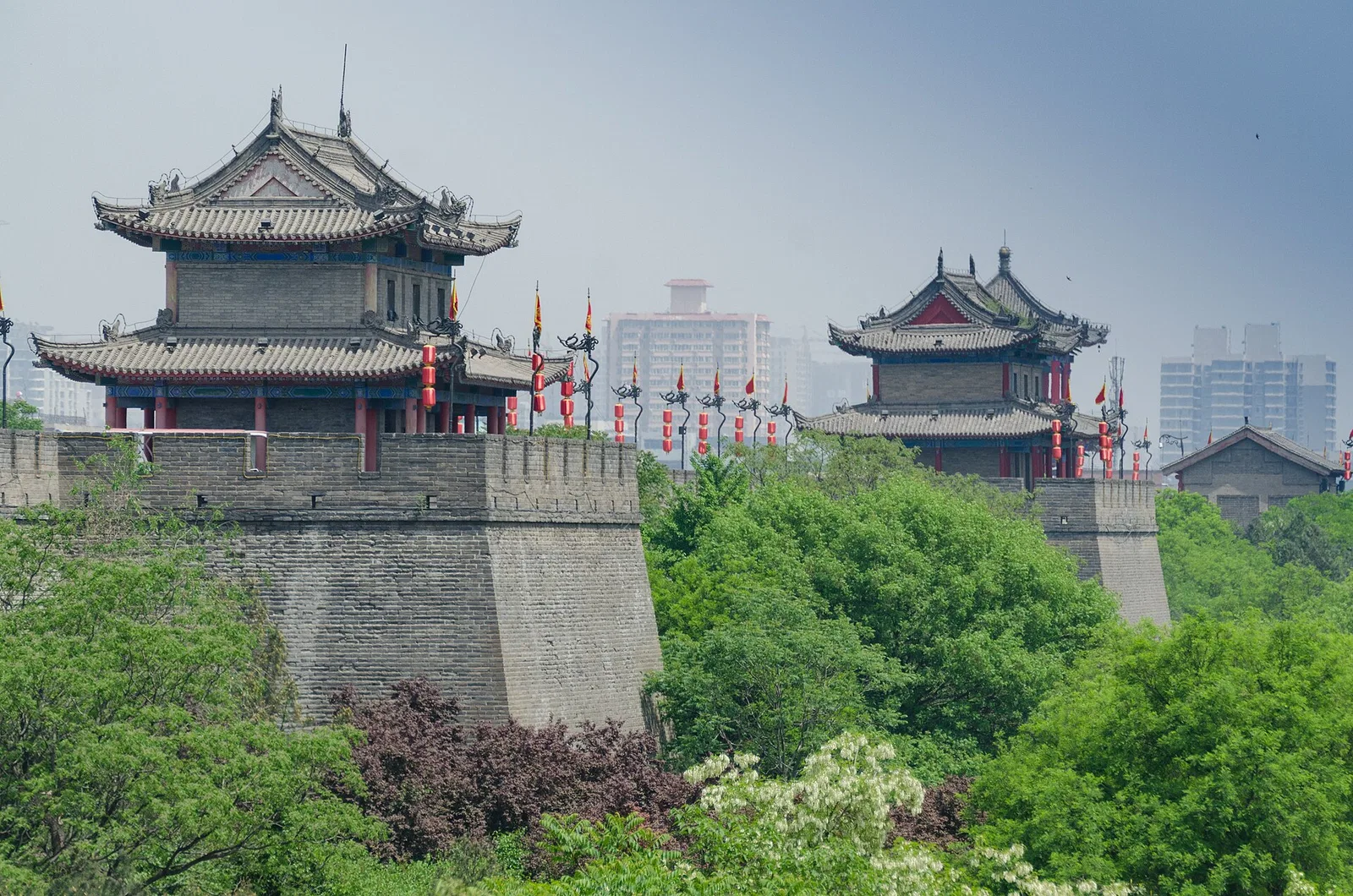
    Cycle or walk the Ming city wall, visit the Great Mosque, and go out to the Terracotta Army to see how Qin Shi Huang planned his afterlife on an imperial scale.

    Tip: Give it two days if you want both the city and the Terracotta Army; the wall is best near dusk.

  • Li River, China
    xiquinhosilva · CC BY 2.0
    Nature

    Li River

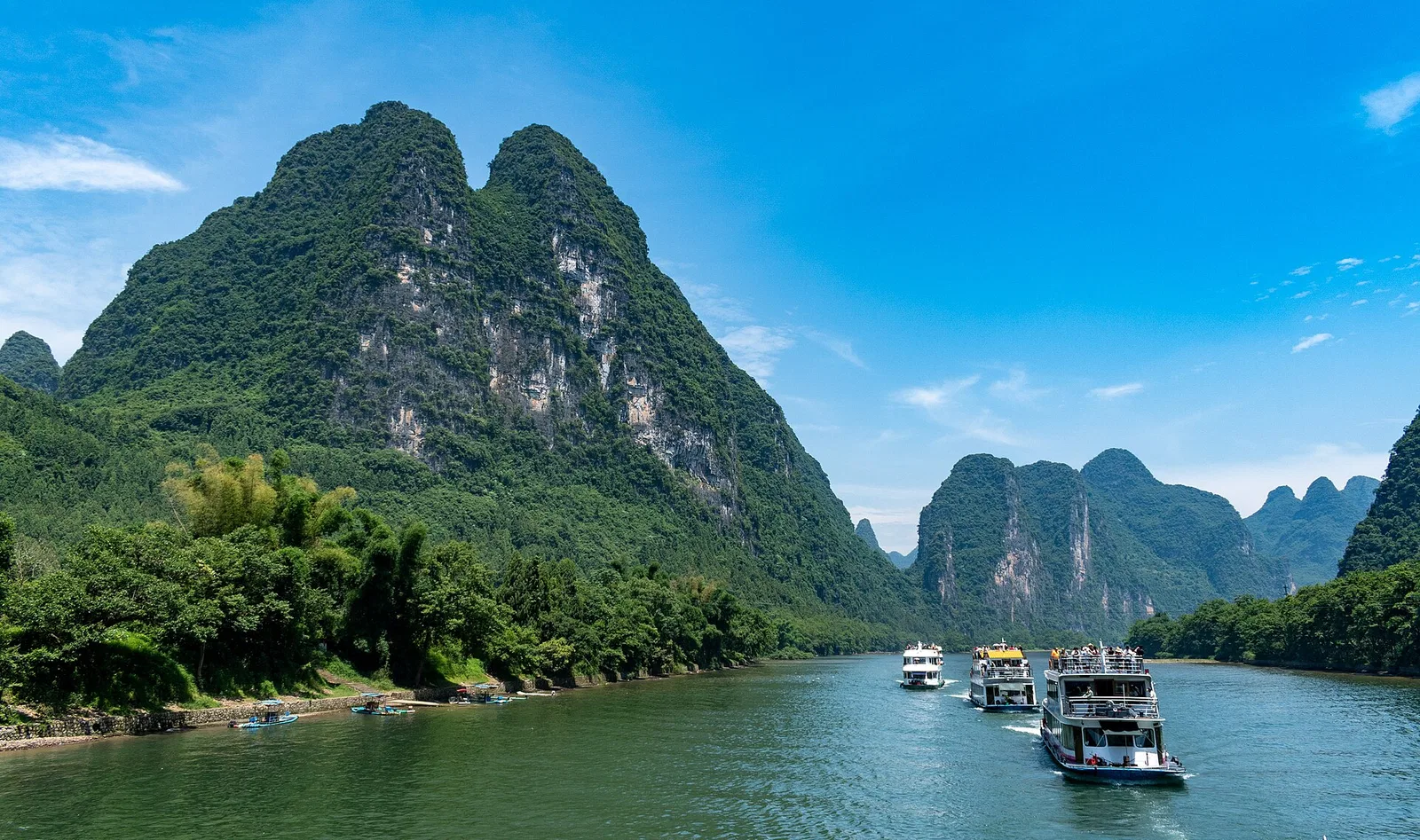
    Take the boat downriver from Guilin toward Yangshuo for the limestone peaks, fishing villages and bends that look uncannily like ink paintings.

    Tip: A full day works well; spring mist often beats summer glare.

  • Mount Huang, China
    atuxe · Pixabay Content License
    Adventure

    Mount Huang

    Climb for granite peaks, old pines and cloud seas that shaped centuries of Chinese painting more than any museum label can explain.

    Tip: Stay a night on the mountain if you can; sunrise is the point, and weekends fill quickly.

Eat

What to eat in China

  • Jianbing — China
    Amazingloong · CC BY-SA 4.0

    Jianbing

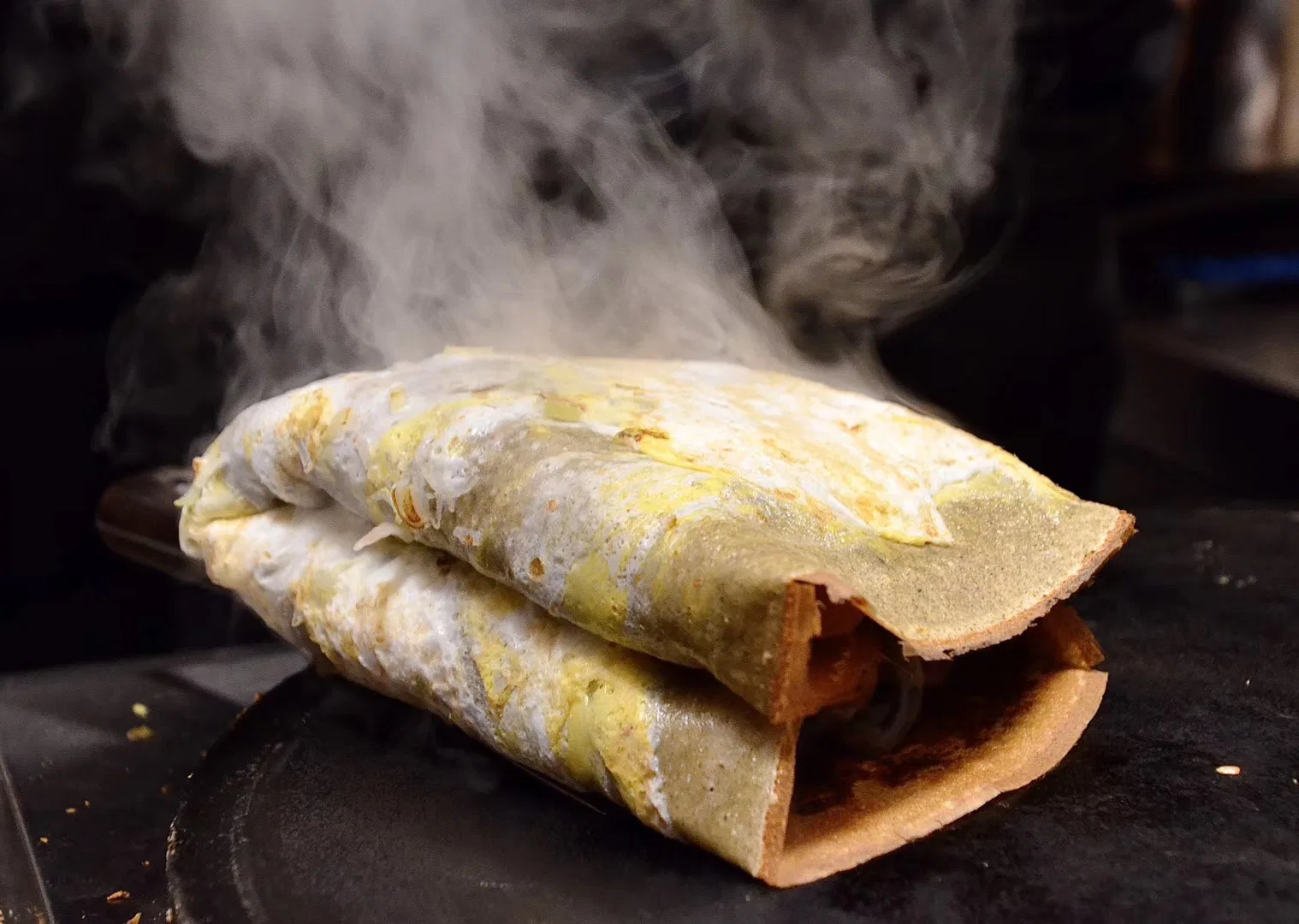
    A thin griddled batter, usually with egg, scallions, herbs, sauce and a crisp cracker folded inside for crunch.

    Where: Breakfast carts outside subway exits and office blocks in northern cities.

  • Peking duck — China
    Peachyeung316 · CC BY-SA 4.0

    Peking duck

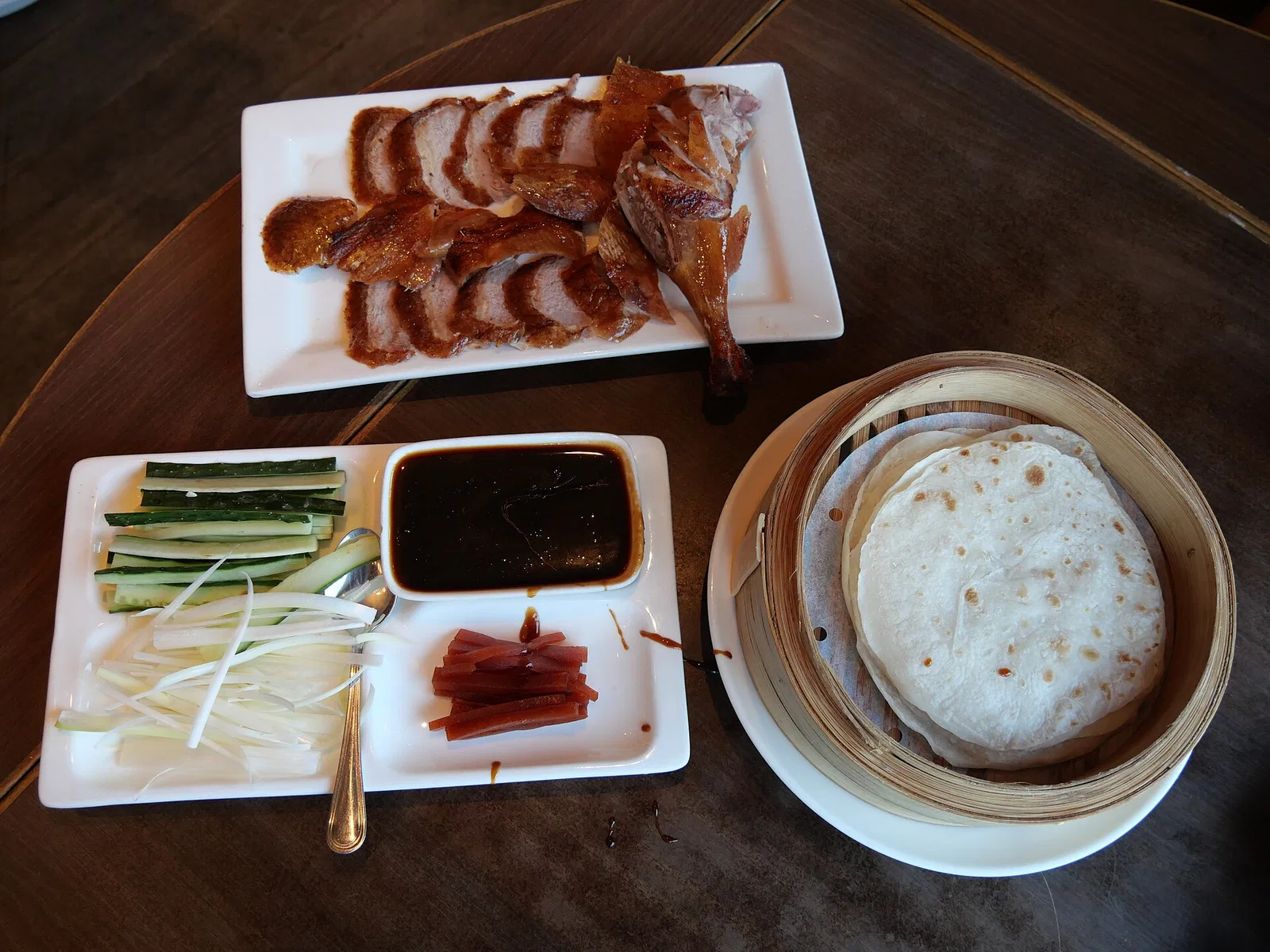
    Roast duck with lacquered skin, carved and eaten with pancakes, scallions, cucumber and sweet bean sauce.

    Where: Beijing roast-duck restaurants, usually ordered for the table rather than by one person.

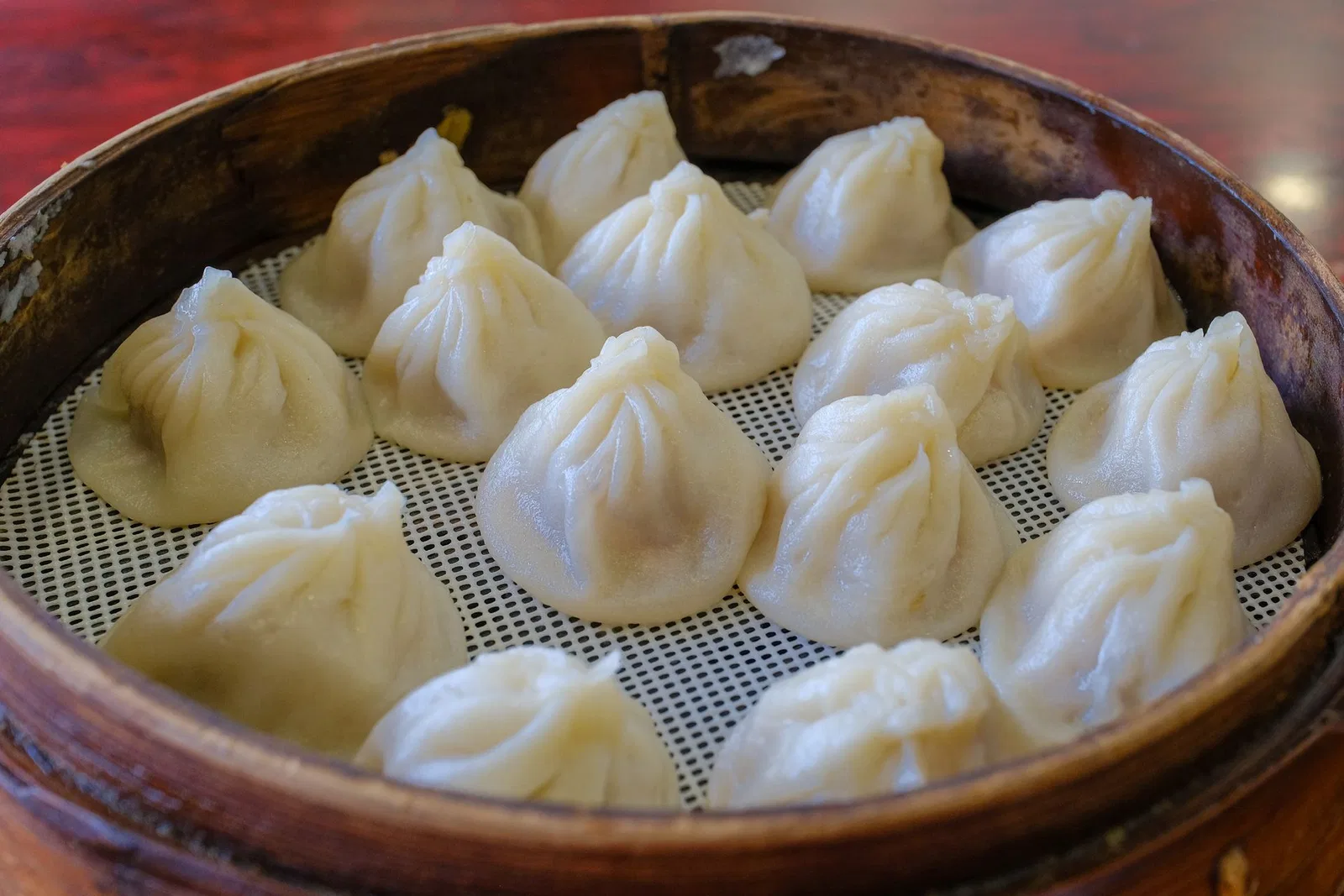
  • Xiaolongbao — China
    Vind 🌙 · Pexels License

    Xiaolongbao

    Small steamed dumplings filled with minced pork and gelatin-rich broth that melts into soup in the basket.

    Where: Shanghai dumpling houses and breakfast shops, best eaten straight from the steamer.

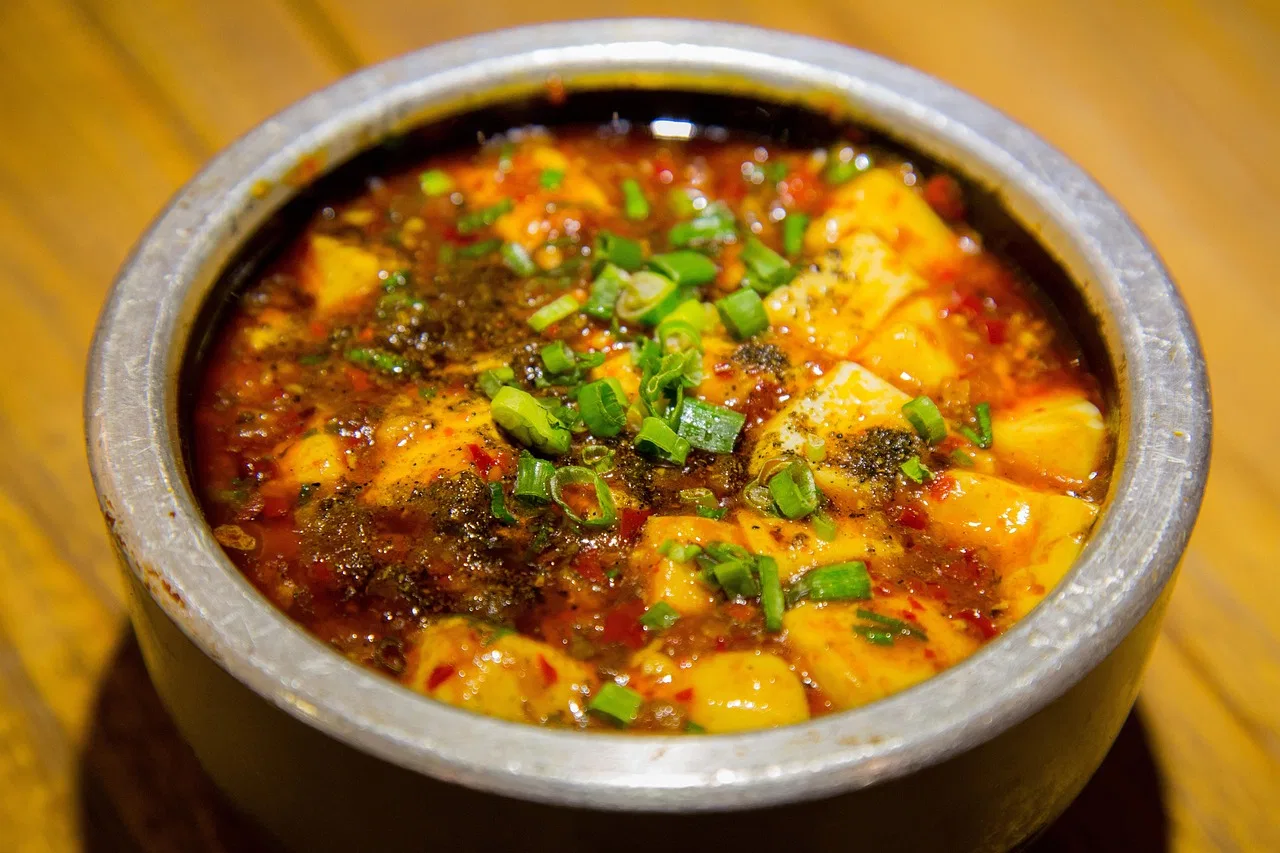
  • Mapo tofu — China
    frankzhang0711 · Pixabay Content License

    Mapo tofu

    Soft tofu in a red sauce of doubanjiang, minced meat and Sichuan pepper, built for heat and numbness together.

    Where: Chengdu fly restaurants and no-frills neighborhood kitchens.

Story

The story, in three chapters

At dawn in Beijing, retirees write calligraphy on park paving with brushes dipped in water. A few hours later you might be smelling sesame oil at a jianbing cart, then gliding south on a train so smooth your tea barely moves. By the time mist lifts off the Li River or the neon comes on along the Bund, the pattern is clear: dynasties in stone, daily life at full speed.

  1. Chapter 1

    Brush, bronze, empire

    At Anyang, Shang diviners heated ox bones until they cracked, then scratched questions into them. Those oracle bones preserve the earliest known form of Chinese writing. In 221 BC, Qin Shi Huang’s court pulled warring states into one empire and pushed common rules for script and coin. The wager was that paper, grain and officials could hold a vast land together.

  2. Chapter 2

    The gate opens

    In 1978, Deng Xiaoping pushed reform and opening up after the Mao years. Two years later Shenzhen, then a border town across from Hong Kong, became one of the first Special Economic Zones. People arrived with sewing machines, lunch tins and a willingness to work impossible hours. The export coast remade the country.

  3. Chapter 3

    Fast trains, old mornings

    Since 1949, the People’s Republic has been governed by the Communist Party. Today’s traveller crosses long distances by high-speed rail, pays for tea with a phone, and still wakes to tai chi, mahjong and market bargaining. Temples fill on festival days. Grandparents haggle over peaches while parcels move through automated warehouses on the edge of town.

Say hello

Say it like a local

  • 你好

    Hello

    Say: nee how

  • 谢谢

    Thank you

    Say: shyeh-shyeh

  • 不好意思

    Excuse me / sorry

    Say: boo how ee-suh

  • 这个多少钱?

    How much is this?

    Say: juh-guh dwaw-shao chyen

  • 现金可以吗?

    Is cash okay?

    Say: syen-jin kuh-yee ma

Surprises

Things you did not know

  1. Whole train carriages cross the sea to Hainan on ferries. On the Guangdong–Hainan railway, the cars are rolled onto ships and back onto rails on the island.

  2. The giant Leshan Buddha was built with hidden drainage channels. Water runs through passages in the hair, collar and folds to help protect the stone from rain.

  3. The Terracotta Army was not meant to look clay-brown. The figures were originally painted in bright lacquer and pigment, much of which flaked away soon after excavation when exposed to dry air.

Quiz

One question

Which Chinese city’s famous brewery was founded during a German leasehold?

3 days

3 days in China

  1. Day 1

    Imperial Beijing

    Morning at Tiananmen Square and the Forbidden City, afternoon up Jingshan Park and through nearby hutongs, evening Peking duck and a walk around Houhai.

  2. Day 2

    Ritual and wall

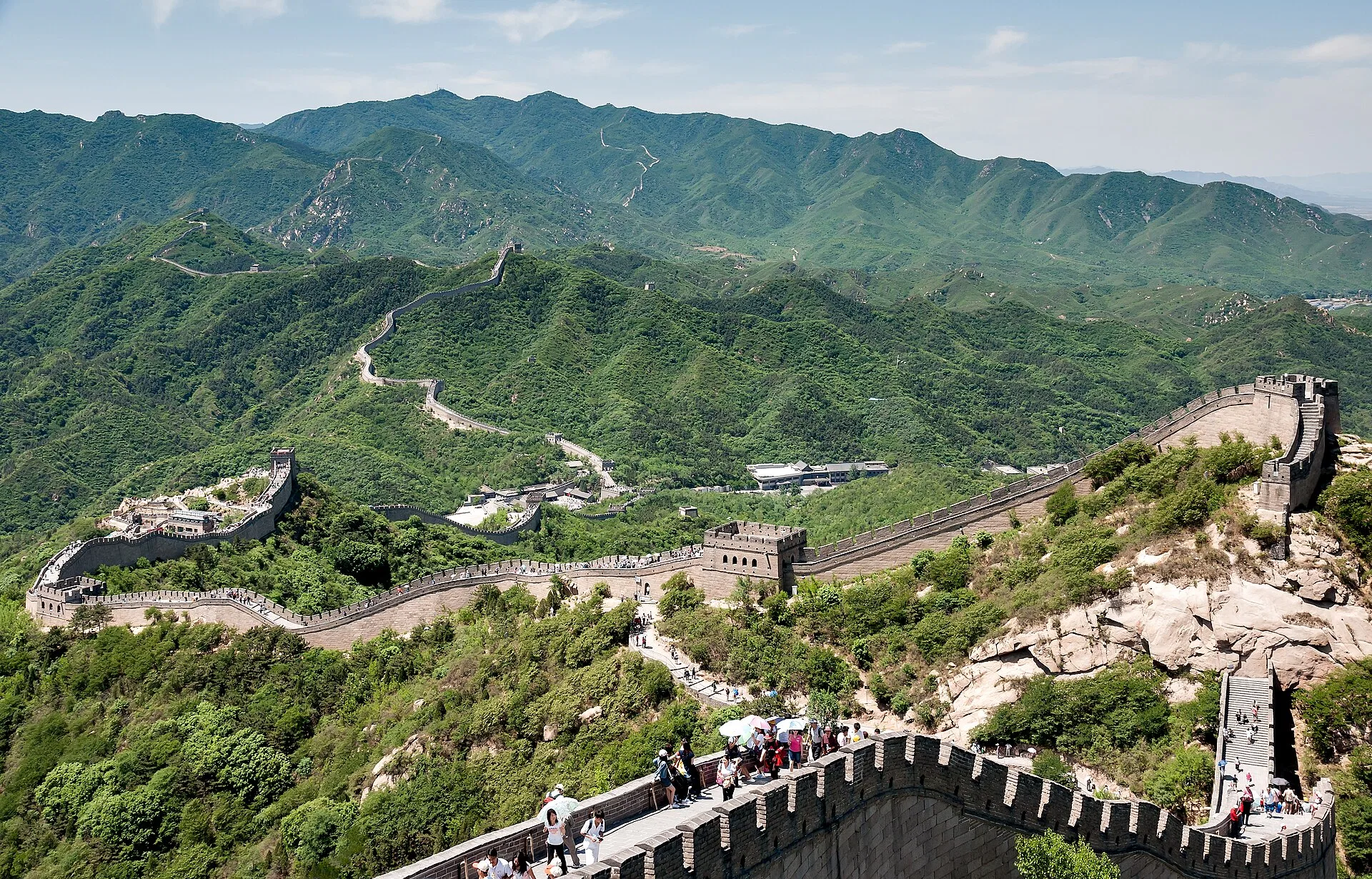
    Morning at the Temple of Heaven, afternoon on the Great Wall at Mutianyu or Jinshanling, evening back in Beijing for park life and street snacks.

  3. Day 3

    Rail to Xi'an

    Morning high-speed train to Xi'an, afternoon on the Xi'an City Wall and at the Great Mosque, evening eating through the Muslim Quarter.

At a glance

China: know before you go

Best time to go
April to May and September to October for clearer skies and easier temperatures; avoid Lunar New Year and the first week of October if you dislike crowds.
Budget
MidFast trains and solid mid-range hotels make independent travel easier than many expect, but big-city weekends and holiday periods push prices up fast.
Etiquette
Do not leave chopsticks standing upright in a bowl of rice; it resembles funeral incense. Shared dishes are the norm, so use the serving utensils when they are provided.
Safety
Traffic is the everyday hazard, even when the light is in your favor, so keep looking both ways. In big tourist areas, ignore unsolicited invitations to tea ceremonies or art-student hangouts, which can turn into very expensive bills.

At a glance

Capital
Beijing
Population
1,404,890,000
Area
9,596,961 km² · 3,705,406 sq mi
Languages
Putonghua
Currency
Chinese Yuan (CNY)
Time zone
China Standard Time, UTC+08:00, Asia/Shanghai
Calling code
+86
Drives on the
Right
Internet domain
.cn
Landlocked
No, it has a coastline
More facts
Continent
Asia

Member of

  • G20
  • United Nations

Listen

Listen & watch

The song of the day

月亮代表我的心

Teresa Teng

Almost everyone knows it; it crosses generations, from wedding bands to KTV rooms and family dinners.

Play a 30-second preview30-second clip via Apple Music

Before you go, watch or read

River Town

Book

Peter Hessler catches the texture of everyday life in inland China just as the reform era is reshaping it.

Entry requirements

China visa requirements

China entry requirements by passport: of 197 passports, 62 can enter without a visa, 0 get a visa on arrival, 1 apply online before they travel and 134 need a visa from an embassy or consulate.

Ask 20 travelers who've been to or live in China

Members who've been there or live there answer questions about costs, safety, getting around and what to expect.

Free to join. Your question goes to members who've been to or live in China.

Join free and ask

Safety

China safety: is it safe to visit?

Level 2 of 4Exercise Increased Caution

Due to the arbitrary enforcement of local laws and exit bans

US State Dept, updated November 10, 2025. Advisories change: check your own government's travel advice before you go.

Ask the community

Questions about China

From the community

Trip stories from China

Ali

China Beyond Travel: Healthcare, Hospitals and Medical Tourism China is known for its history, culture and vibrant cities. From Beijing's Great Wall to Shanghai's Bund and Guangzhou's Canton Tower, the country attracts visitors from around the world. Increasingly, some international visitors are also exploring China's healthcare resources, specialist hospitals and pharmaceutical innovations. Healthcare is becoming another dimension of the travel experience. ## Traveling to China for…

Join Xplorians to react, save and comment

Countries

🇨🇳 Today's country is China. The world’s longest man-made waterway runs from Beijing to Hangzhou. At dawn in Beijing, retirees write calligraphy on park paving with brushes dipped in water. A few hours later you might be smelling sesame oil at a jianbing cart, then gliding south on a train so smooth your tea barely moves. By the time mist lifts off the Li River or the neon comes on along the Bund, the pattern is clear: dynasties in stone, daily life at full speed. 📍 Places to visit •…

❤️3

Join Xplorians to react, save and comment

Questions

China: frequently asked questions

China visa: do I need one?
China entry requirements by passport: of 197 passports, 62 can enter without a visa, 0 get a visa on arrival, 1 apply online before they travel and 134 need a visa from an embassy or consulate.
China: is it safe to visit?
US State Dept rates China at level 2 of 4. Exercise Increased Caution: Due to the arbitrary enforcement of local laws and exit bans.
China: when is the best time to visit?
April to May and September to October for clearer skies and easier temperatures; avoid Lunar New Year and the first week of October if you dislike crowds.
China: what currency is used?
Currency in China: Chinese Yuan (CNY).
China: what language do people speak?
Languages of China: Putonghua.
China: what is the capital?
The capital of China is Beijing.

Travel guide

In the community

20 travelers29 trips22 want to go

4.6(10 ratings)

See who has been there and what you need to travel.

Join the community

Track the countries you have visited and meet travelers who have been there.