Tajikistan: Almost half of Tajikistan lies above 3,000 metres.

Travel guide

Featured on October 24, 2026

Tajikistan

Almost half of Tajikistan lies above 3,000 metres.

  • Dushanbe
  • Asia
  • Tajik

Places

Places to visit in Tajikistan

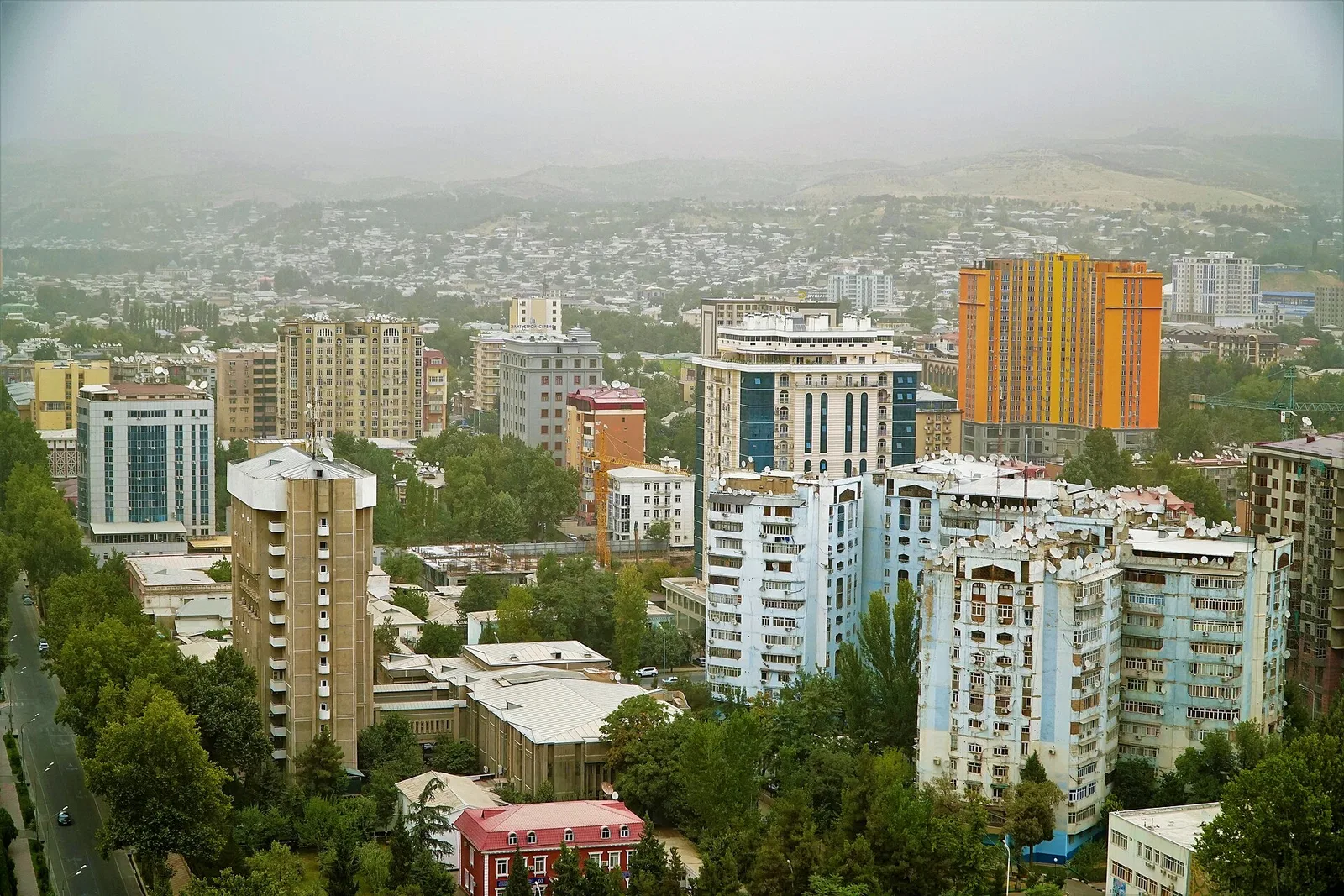
Dushanbe, Tajikistan
City

Dushanbe

Adam Harangozó · CC BY-SA 4.0

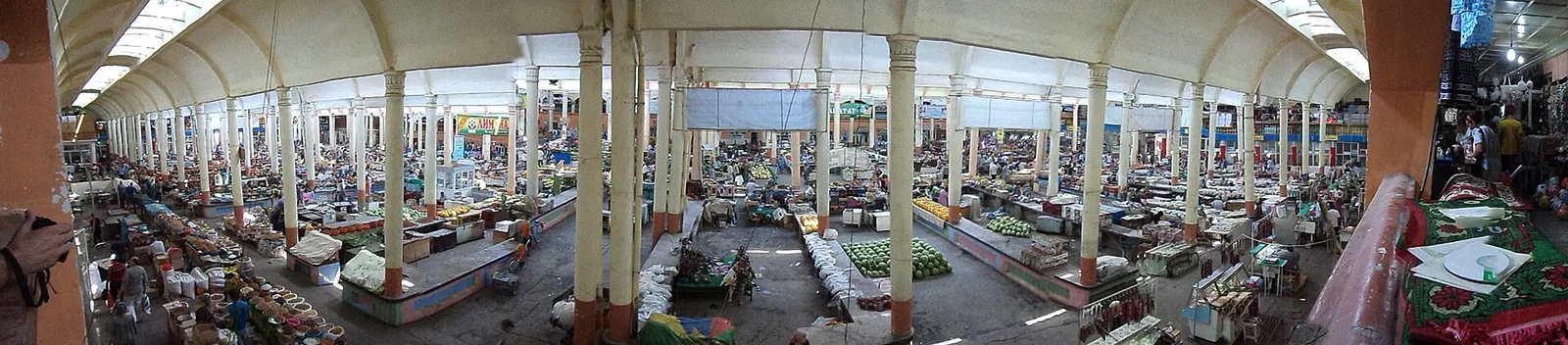
Go to get the country's layers in one walkable capital: broad Soviet avenues, new monuments, the National Museum of Tajikistan, and big markets where bread, herbs and dried fruit still matter more than souvenirs. It is also where most first trips begin, and where the mountain country makes sense before you drive into it.

Tip: Spring and early autumn are best for walking; start with the museums, then leave the parks and tea houses for late afternoon.
  • Pamir Highway, Tajikistan
    Benoît Vicart · CC0
    Adventure

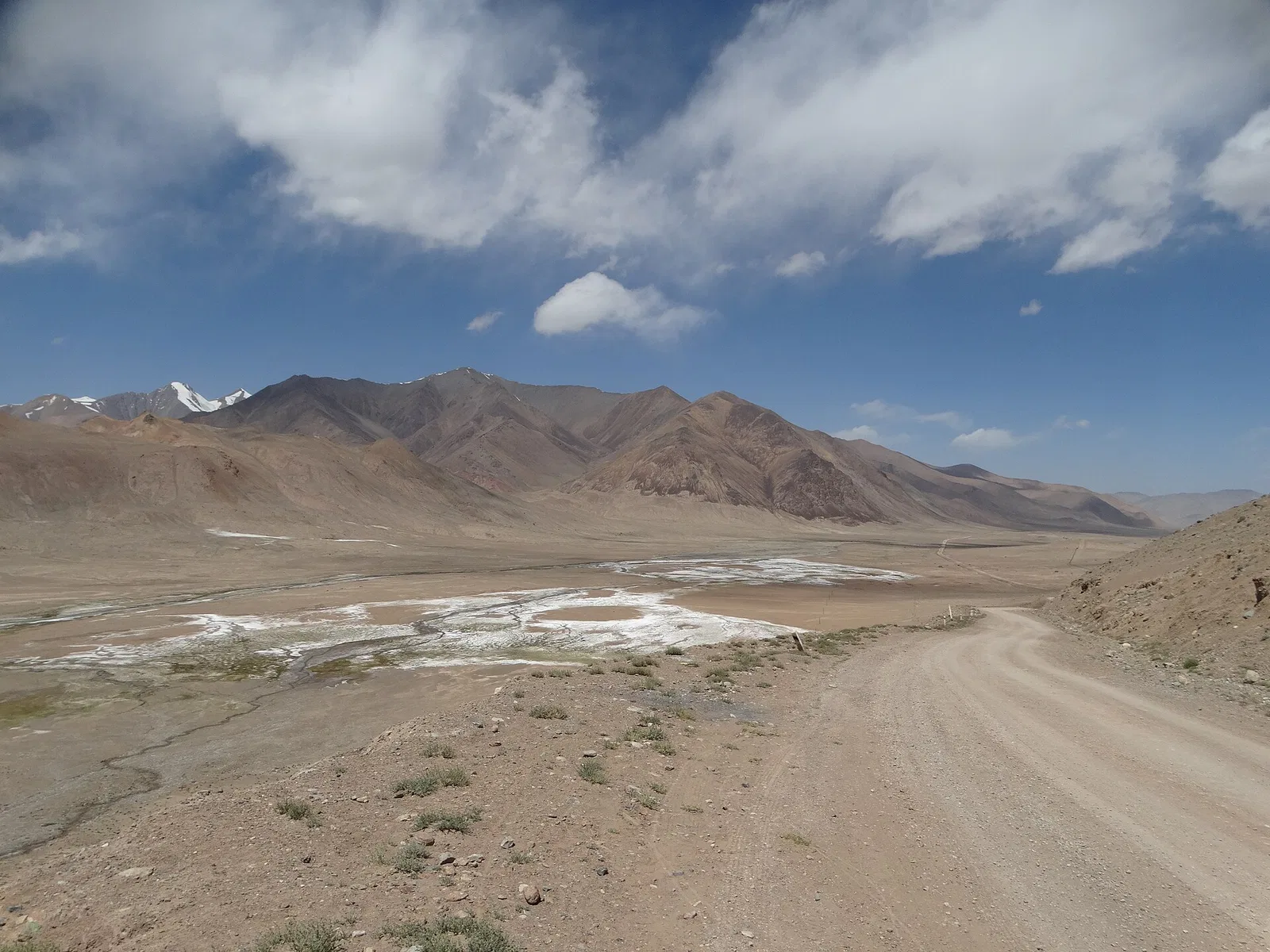
    Pamir Highway

    This is the road people come for: high passes, bare plateaus, river gorges and long halts in village guesthouses between Khorog and Murghab. The point is not a single viewpoint but the feeling of crossing an inhabited roof of the world.

    Tip: Go from late June into early autumn; snow, landslides and permit rules shape the trip as much as the map does, and you need several days.

  • Iskanderkul, Tajikistan
    Makalu · Pixabay Content License
    Nature

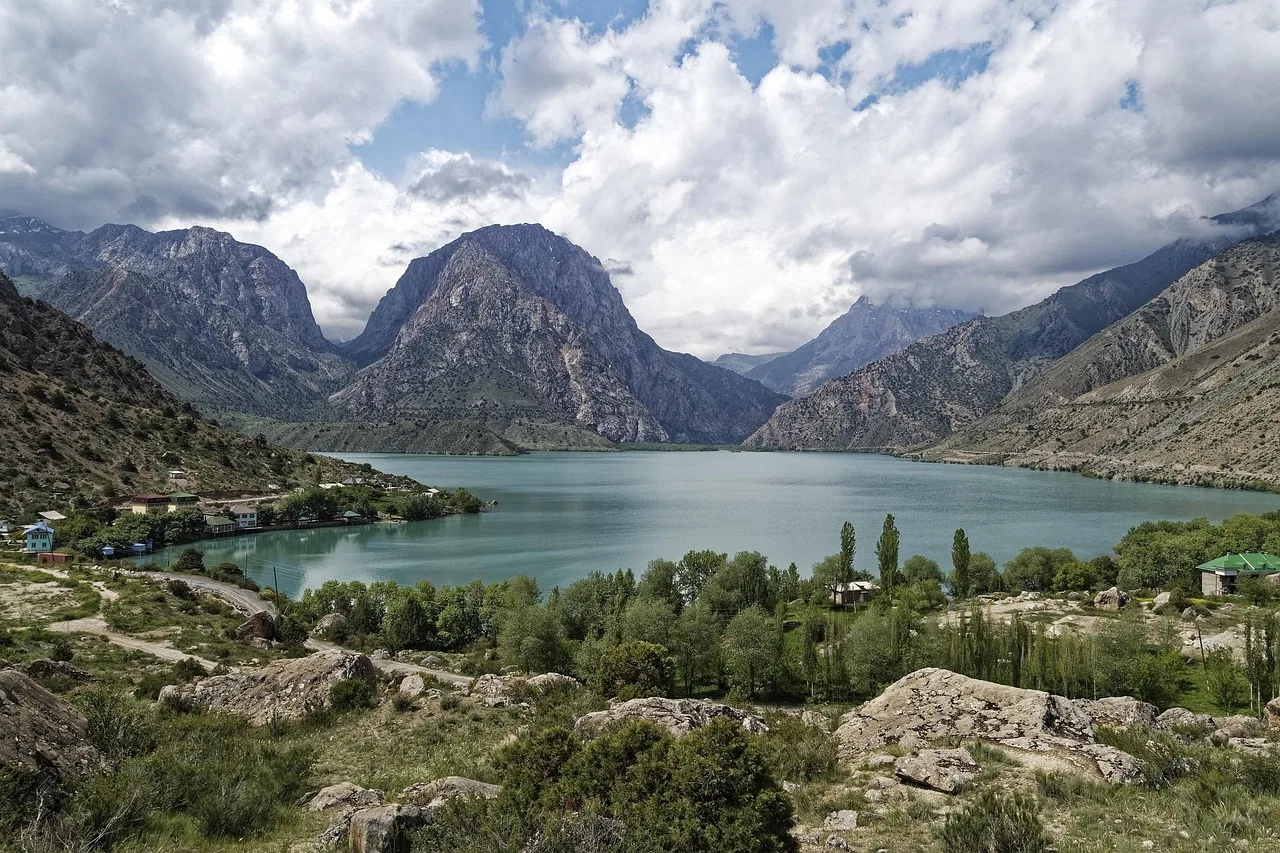
    Iskanderkul

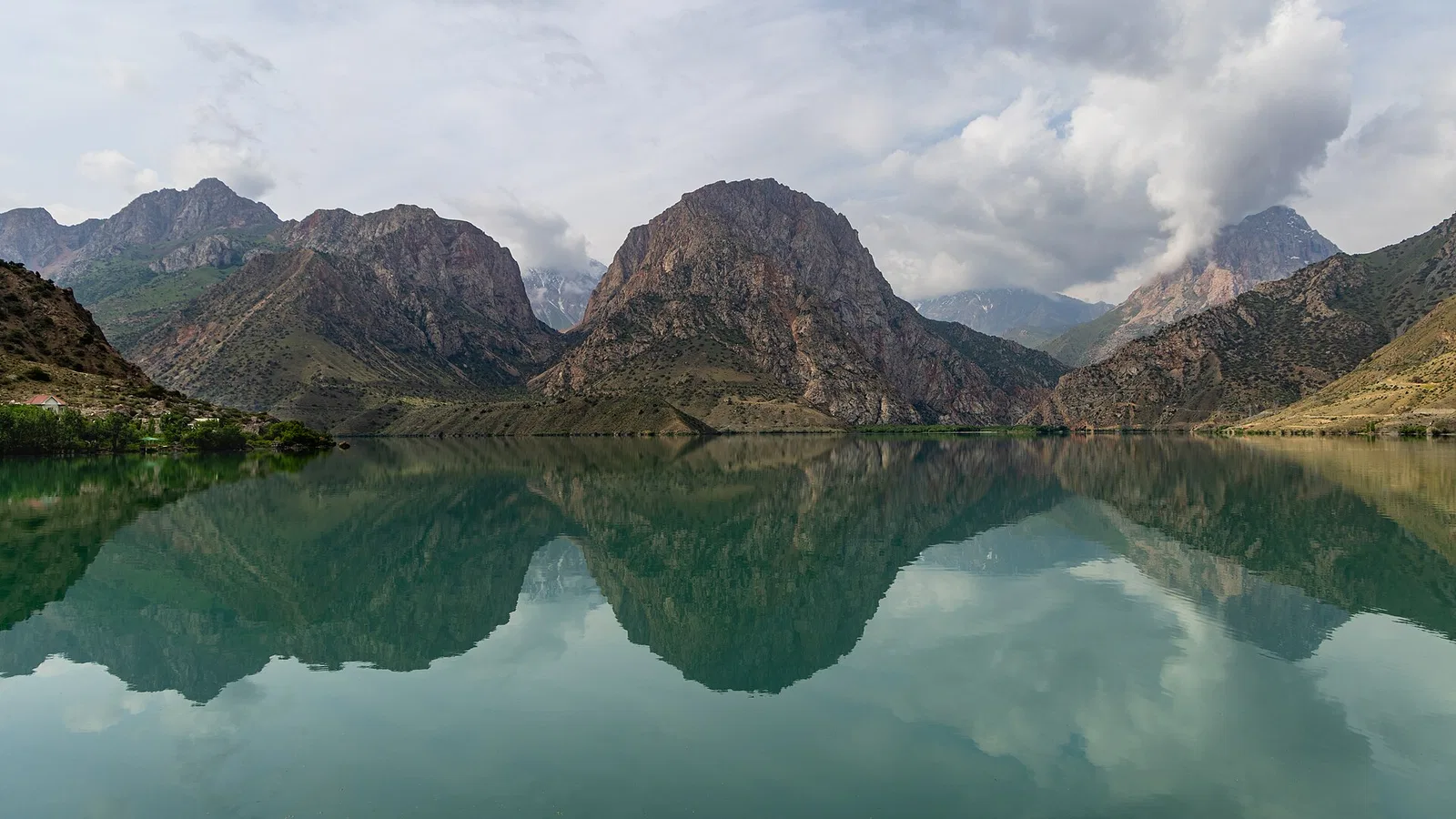
    A deep mountain lake in the Fann Mountains where locals picnic, swim in summer and walk to the nearby waterfall. It is an easy, memorable way to understand how quickly the country shifts from capital boulevards to high-country air.

    Tip: Best from late spring to early autumn; stay overnight if you want quiet after the day visitors leave.

  • Khujand, Tajikistan
    Tim Griffin · CC BY-SA 2.0
    City

    Khujand

    The old Silk Road city on the Syr Darya feels different from Dushanbe: more mercantile, more north-facing, with one of the region's great bazaars at its heart. Go for Panjshanbe Bazaar, the riverfront and the sense that Tajik and Uzbek worlds meet here every day.

    Tip: Market mornings are best; give it a night rather than trying to squeeze it into a rushed transfer.

  • Sarazm, Tajikistan
    Phelynx · CC BY-SA 4.0
    History

    Sarazm

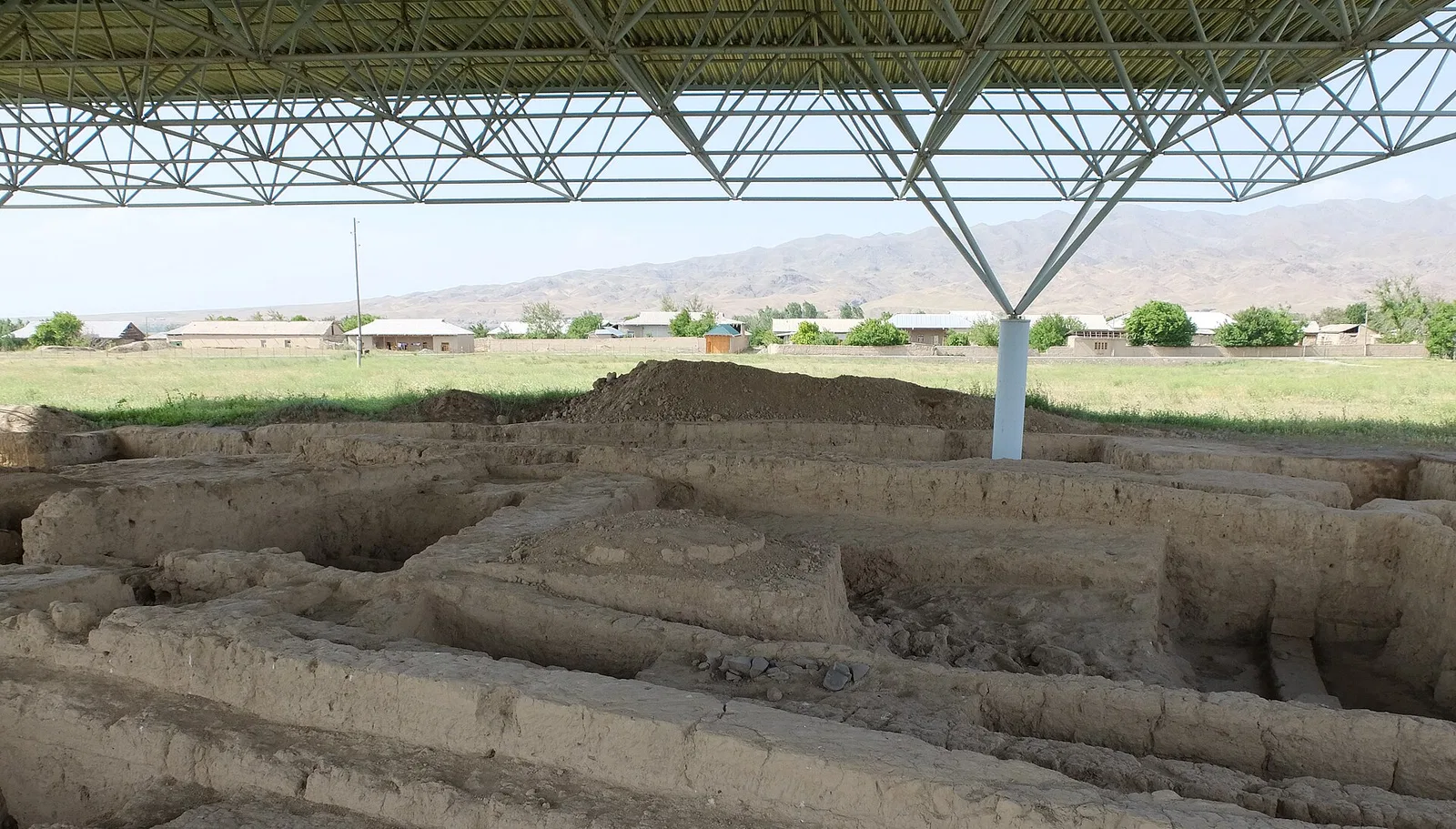
    These low, windswept remains mark one of Central Asia's earliest farming and trading settlements. They matter because they push the story far deeper than the Silk Road and the Soviet years most travellers arrive with.

    Tip: Pair it with Panjakent and the site museum; the ruins are subtle and make more sense with a little context.

Eat

What to eat in Tajikistan

  • Qurutob — Tajikistan
    Schokifaktor · CC BY-SA 4.0

    Qurutob

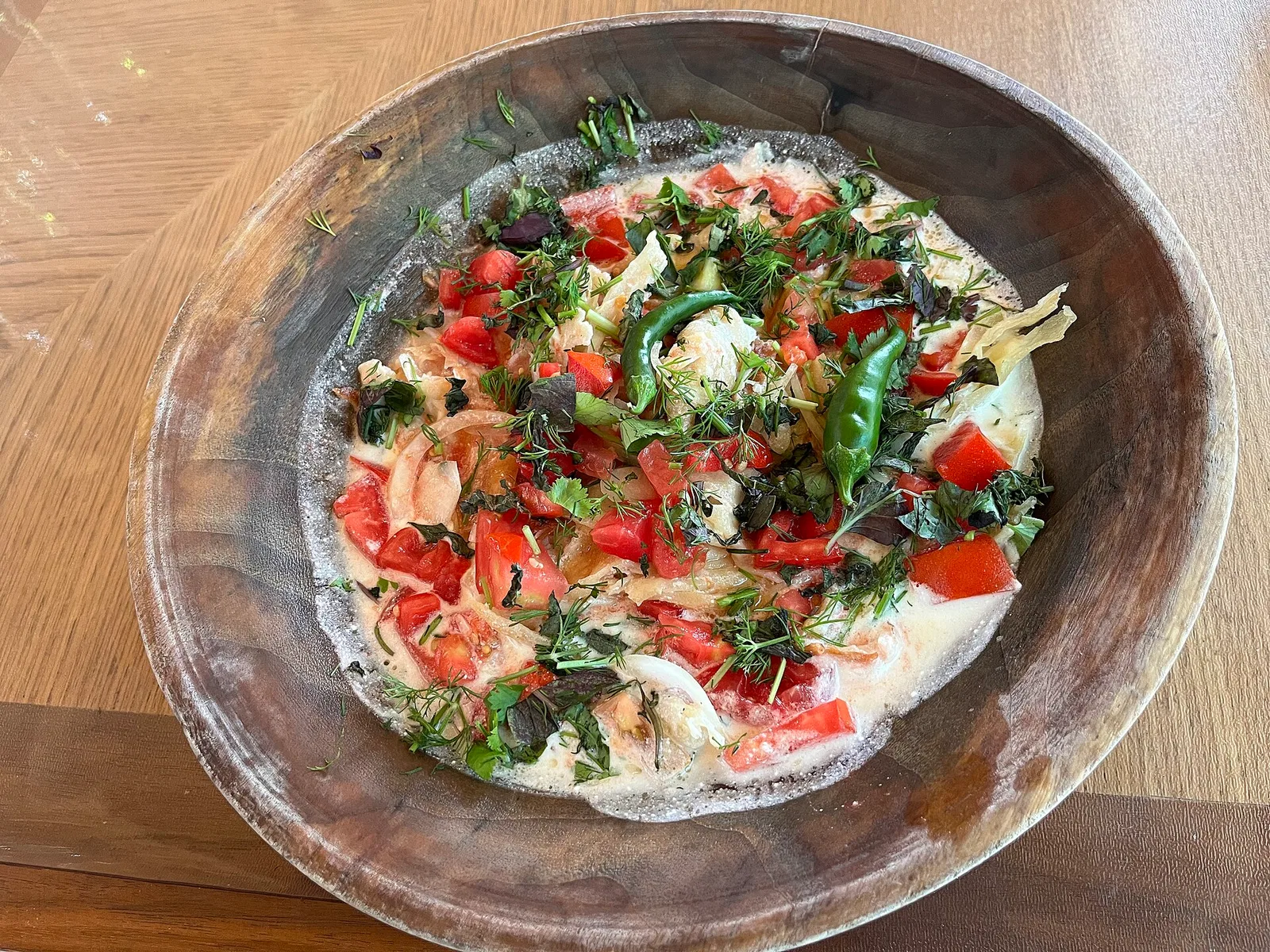
    Torn flatbread is soaked with a tangy sauce of dissolved qurut, then topped with onions, tomatoes, herbs and hot oil.

    Where: At a qurutobkhona or chaikhona, especially at lunch in Dushanbe.

  • Plov — Tajikistan
    eugene k · Pexels License

    Plov

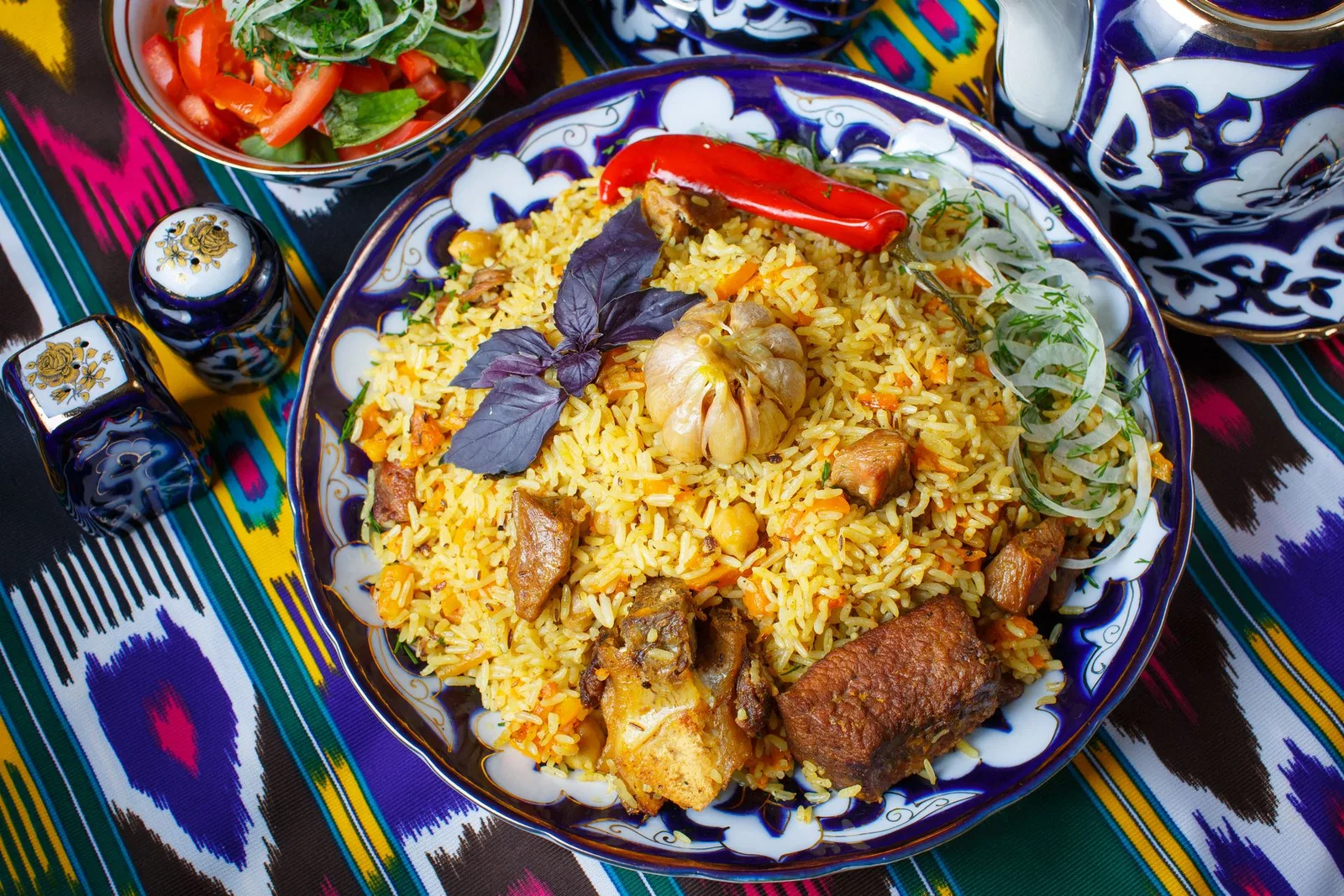
    Rice is cooked with carrots, onions and meat, often with chickpeas or garlic, and served from a heavy communal platter.

    Where: In an oshkhona at midday, when the pot is fresh and people come specifically for it.

  • Samsa — Tajikistan
    Papouten · CC BY-SA 4.0

    Samsa

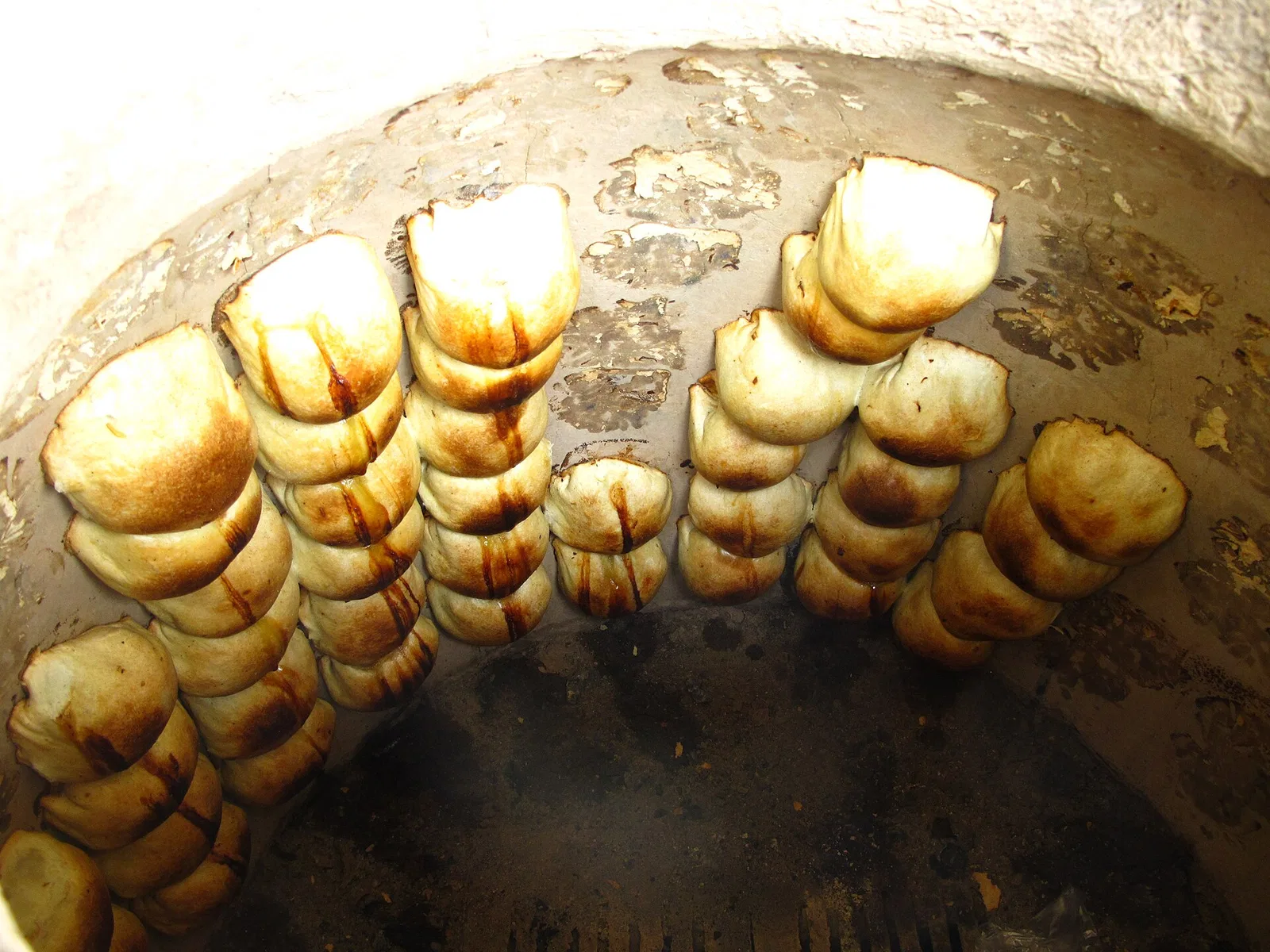
    A filled pastry, usually with minced meat and onion or pumpkin, baked against the wall of a tandoor oven.

    Where: From bakery stalls and market edges, eaten hot and quickly.

Story

The story, in three chapters

At dawn in Dushanbe, men sweep the pavements under plane trees before the heat rises. In the bazaar the smell is hot non bread, apricots and dill, and somebody will pour you tea before they answer a question. Then the road climbs east and the scale changes completely.

  1. Chapter 1

    Persian in the mountains

    Before there was a modern state, there were oasis towns and mountain valleys tied to the Silk Roads. In the ruins of Penjikent, merchants and nobles left painted walls full of feasts, hunts and epic scenes. In the late ninth century, Ismail Samani ruled from Bukhara and gave Persian court culture new weight in Transoxiana. The country still reaches back to him when it wants an origin story older than empire.

  2. Chapter 2

    Borders and war

    In the 1920s, Moscow redrew Central Asia and created a Tajik republic inside the Soviet system. Dushanbe grew from a market town into a planned capital with ministries, theatres and long avenues. Independence came in 1991. In 1992, demonstrations in the capital slid into a civil war that killed tens of thousands and sent many more from their homes.

  3. Chapter 3

    A state on hard roads

    The peace accord of 1997 ended the fighting, but not the strain of geography or power. Emomali Rahmon has dominated public life since the 1990s, while many households have depended on money sent home from migrants in Russia. The state has poured energy into dams, roads and a monumental capital image. Outside Dushanbe, daily life still turns on passes, harvests, family networks and whether the road is open.

Say hello

Say it like a local

  • Ассалому алайкум

    Hello; a formal greeting

    Say: as-sa-LO-mu a-LAY-koom

  • Раҳмат

    Thank you

    Say: rah-MAT

  • Илтимос

    Please

    Say: il-ti-MOS

  • Чанд пул?

    How much is it?

    Say: chand pool?

  • Ман намефаҳмам

    I don't understand

    Say: man na-me-FAH-mam

Surprises

Things you did not know

  1. Yaghnobi, still spoken in parts of the Yaghnob Valley, descends from Sogdian, the language of Silk Road merchants. It is one of the rare living links to the pre-Islamic Iranian world of Central Asia.

  2. Sarez Lake was born in a single night. In 1911, an earthquake triggered the Usoi landslide, blocked the Murghab River and created one of the world's highest natural dams.

  3. Dushanbe briefly had the world's tallest flagpole. It held the record after its 2011 unveiling until a taller one went up in Jeddah.

Quiz

One question

What is the current name of the mountain once called Stalin Peak and later Communism Peak?

3 days

3 days in Tajikistan

  1. Day 1

    Dushanbe first

    Morning at the National Museum of Tajikistan, afternoon in Mehrgon Bazaar and Rudaki Park, evening tea and qurutob in a chaikhona.

  2. Day 2

    Up to Iskanderkul

    Leave Dushanbe early for Iskanderkul, walk to Iskanderkul Waterfall in the afternoon, and sleep by the lake or nearby in the Fann foothills.

  3. Day 3

    West to old settlements

    Drive on to Panjakent for Sarazm and the local museum, then end the day in Panjakent with the Zeravshan plain in view.

At a glance

Tajikistan: know before you go

Best time to go
May and June for green valleys and full rivers, September for clearer weather; the Pamir route is easiest from late June into early autumn.
Budget
LowMeals and simple guesthouses are usually inexpensive, but long drives, private drivers and Pamir permits can push a trip up fast.
Etiquette
Greet people before getting to the point, especially elders. Dress modestly outside the capital, take your shoes off in homes, and handle bread with respect rather than leaving it upside down or wasted.
Safety
The main risk is the road: rockfall, washouts, closures and hard overtaking are more serious than street crime. In the east, altitude is real; build in time, carry cash, and do not count on phone signal or card payments outside towns.

At a glance

Capital
Dushanbe
Population
9,504,000
Area
143,100 km² · 55,251 sq mi
Languages
Tajik
Currency
Tajikistani Somoni (TJS)
Time zone
UTC+05:00, Asia/Dushanbe
Calling code
+992
Drives on the
Right
Internet domain
.tj
Landlocked
Yes
More facts
Continent
Asia

Member of

  • United Nations

Listen

Listen & watch

Before you go, watch or read

Luna Papa

Film

Bakhtiar Khudojnazarov's film gives you the region's absurd humor, dust and tenderness in a way polished travel pieces rarely do.

Entry requirements

Tajikistan visa requirements

Tajikistan entry requirements by passport: of 197 passports, 63 can enter without a visa, 6 get a visa on arrival, 124 apply online before they travel and 4 need a visa from an embassy or consulate.

Safety

Tajikistan safety: is it safe to visit?

Level 2 of 4Exercise Increased Caution

Due to terrorism

US State Dept, updated July 20, 2025. Advisories change: check your own government's travel advice before you go.

Ask the community

Questions about Tajikistan

No questions yet. 1 member here knows Tajikistan.

From the community

Trip stories from Tajikistan

Countries

🇹🇯 Today's country is Tajikistan. Almost half of Tajikistan lies above 3,000 metres. At dawn in Dushanbe, men sweep the pavements under plane trees before the heat rises. In the bazaar the smell is hot non bread, apricots and dill, and somebody will pour you tea before they answer a question. Then the road climbs east and the scale changes completely. 📍 Places to visit • Dushanbe — Go to get the country's layers in one walkable capital: broad Soviet avenues, new monuments, the National…

Join Xplorians to react, save and comment

Questions

Tajikistan: frequently asked questions

Tajikistan visa: do I need one?
Tajikistan entry requirements by passport: of 197 passports, 63 can enter without a visa, 6 get a visa on arrival, 124 apply online before they travel and 4 need a visa from an embassy or consulate.
Tajikistan: is it safe to visit?
US State Dept rates Tajikistan at level 2 of 4. Exercise Increased Caution: Due to terrorism.
Tajikistan: when is the best time to visit?
May and June for green valleys and full rivers, September for clearer weather; the Pamir route is easiest from late June into early autumn.
Tajikistan: what currency is used?
Currency in Tajikistan: Tajikistani Somoni (TJS).
Tajikistan: what language do people speak?
Languages of Tajikistan: Tajik.
Tajikistan: what is the capital?
The capital of Tajikistan is Dushanbe.

Travel guide

In the community

1 traveler1 trip2 want to go

See who has been there and what you need to travel.

Join the community

Track the countries you have visited and meet travelers who have been there.