
Kraków
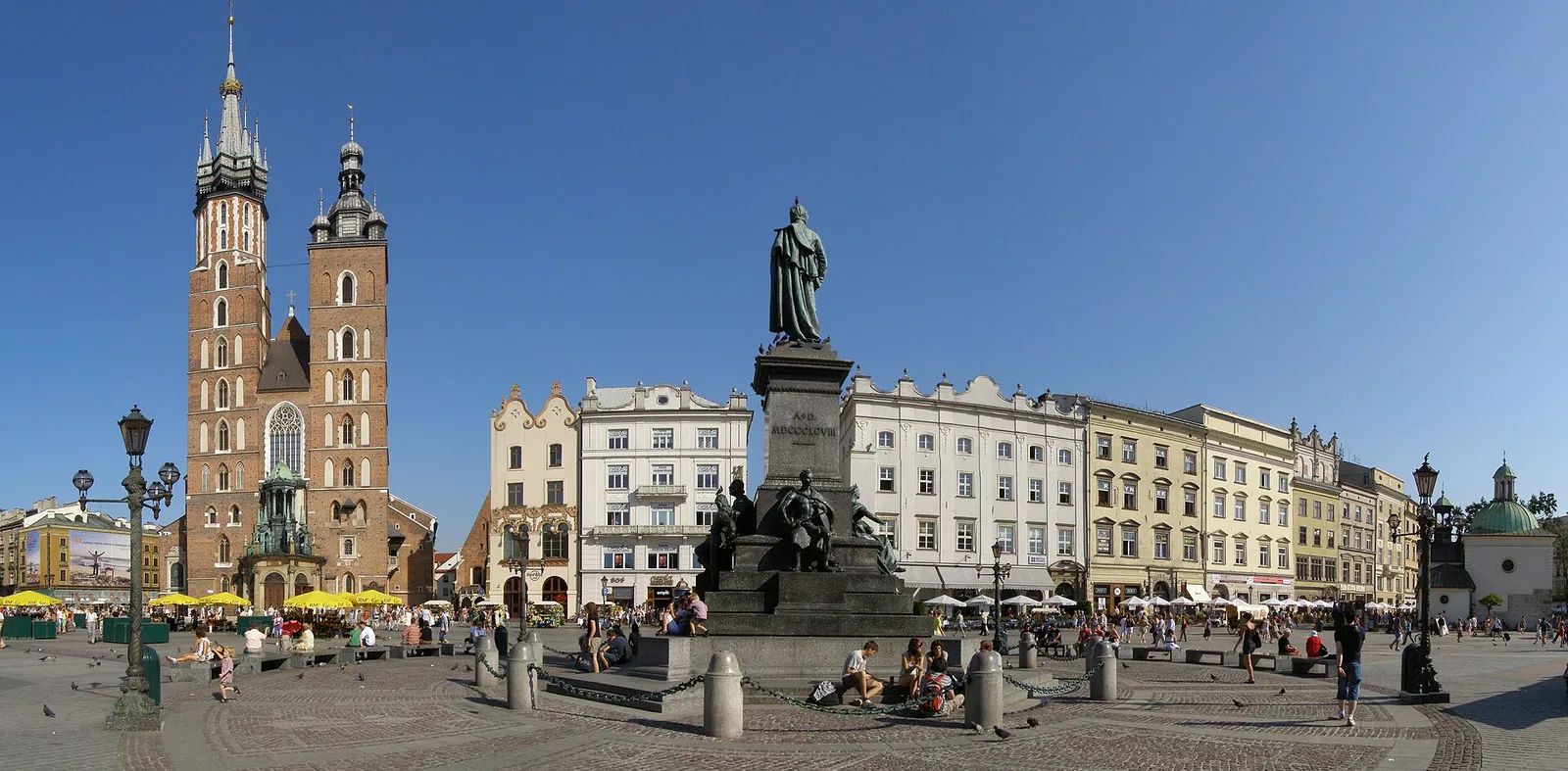
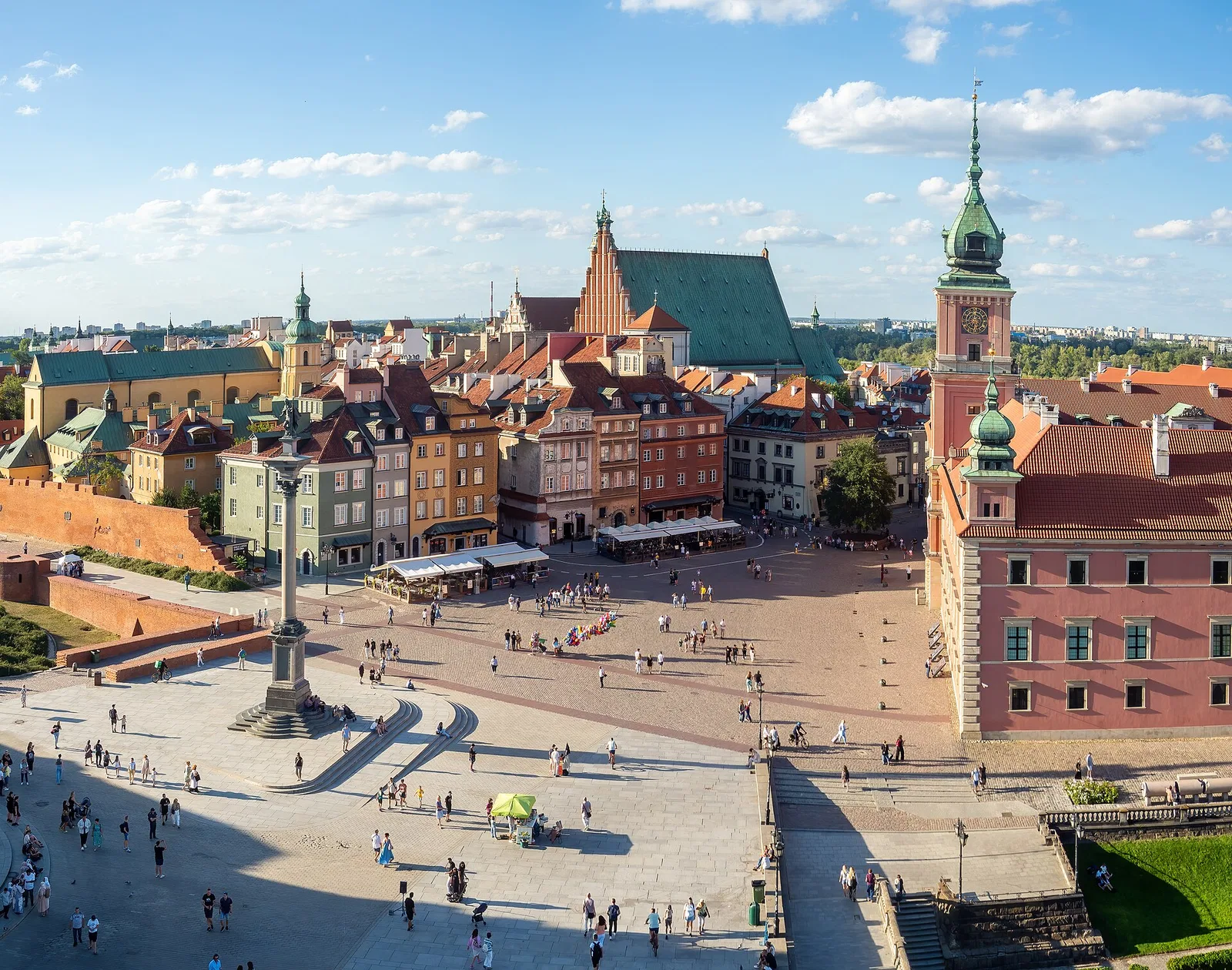
Walk the Rynek Główny, climb Wawel Hill, and cross into Kazimierz; medieval trade, royal ritual and Jewish history all fit into one long day on foot.
Tip: Give it at least two nights; book major museums ahead on summer weekends.
Travel guide
Featured on September 19, 2026
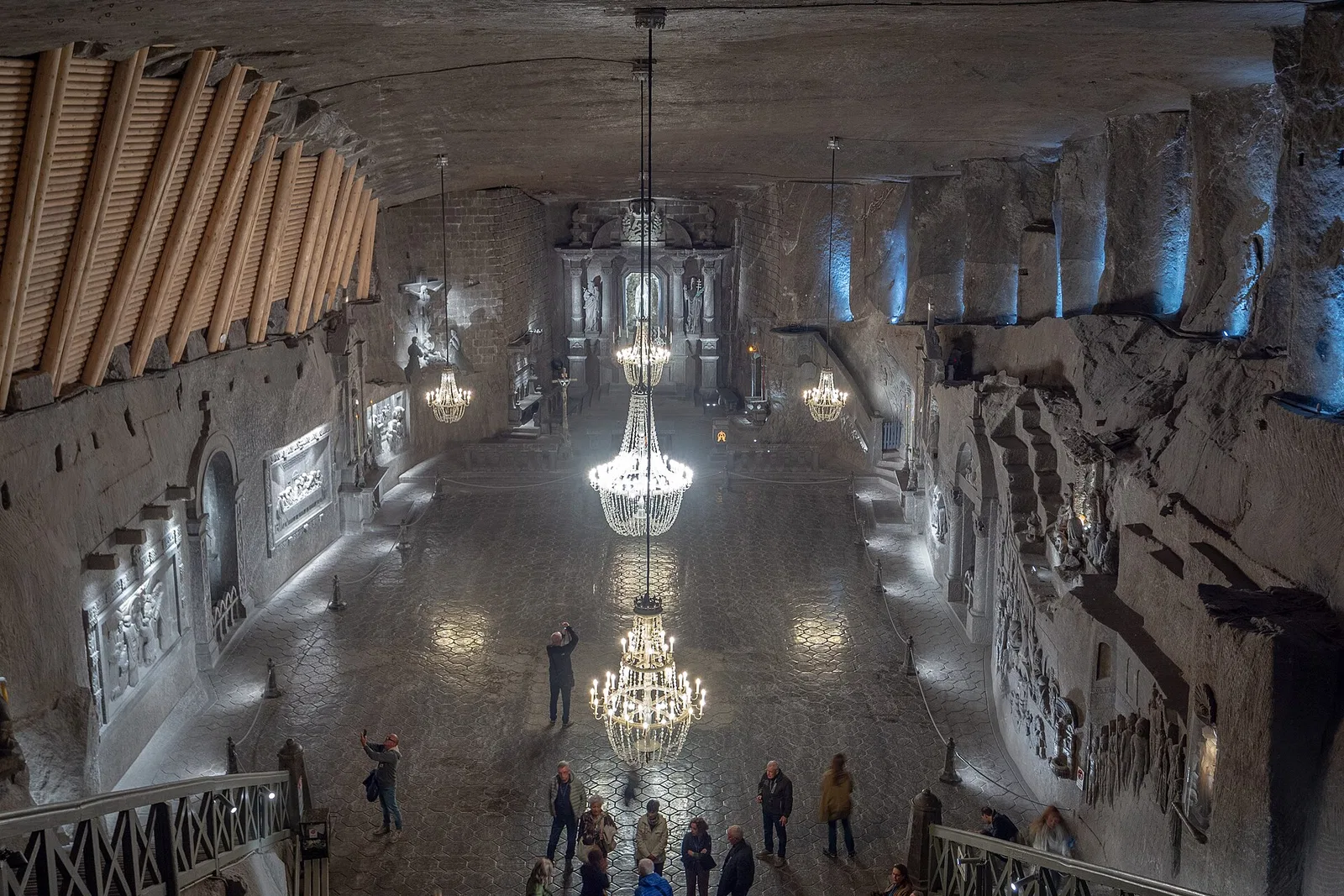
A chapel carved from salt lies 101 metres underground.
Places

Walk the Rynek Główny, climb Wawel Hill, and cross into Kazimierz; medieval trade, royal ritual and Jewish history all fit into one long day on foot.
Tip: Give it at least two nights; book major museums ahead on summer weekends.
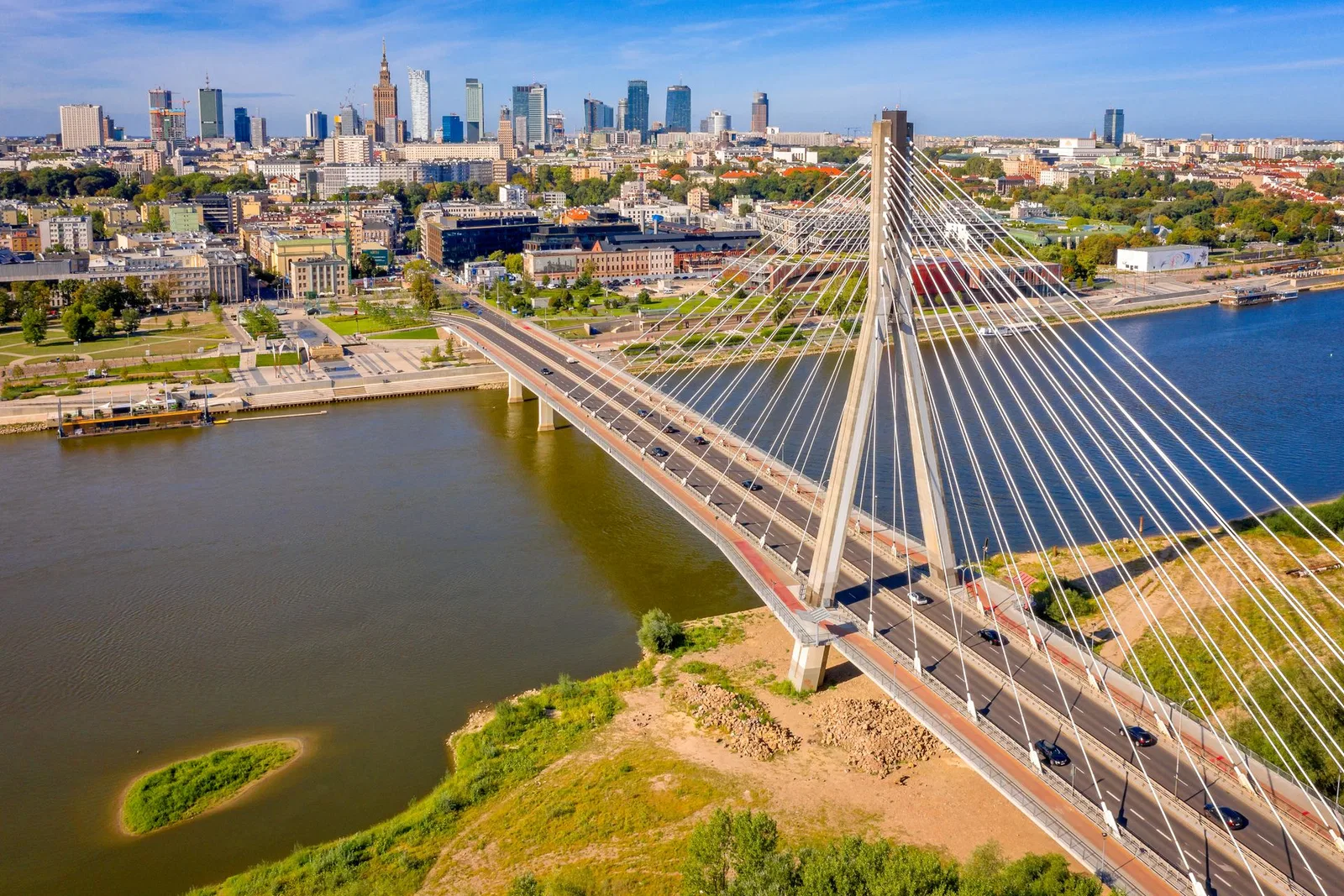
Come for the contrast: a rebuilt Old Town, broad socialist avenues, glass towers, riverbank nightlife and museums that make the twentieth century legible.
Tip: Use trams and the metro; the distances between districts are larger than they look on a map.

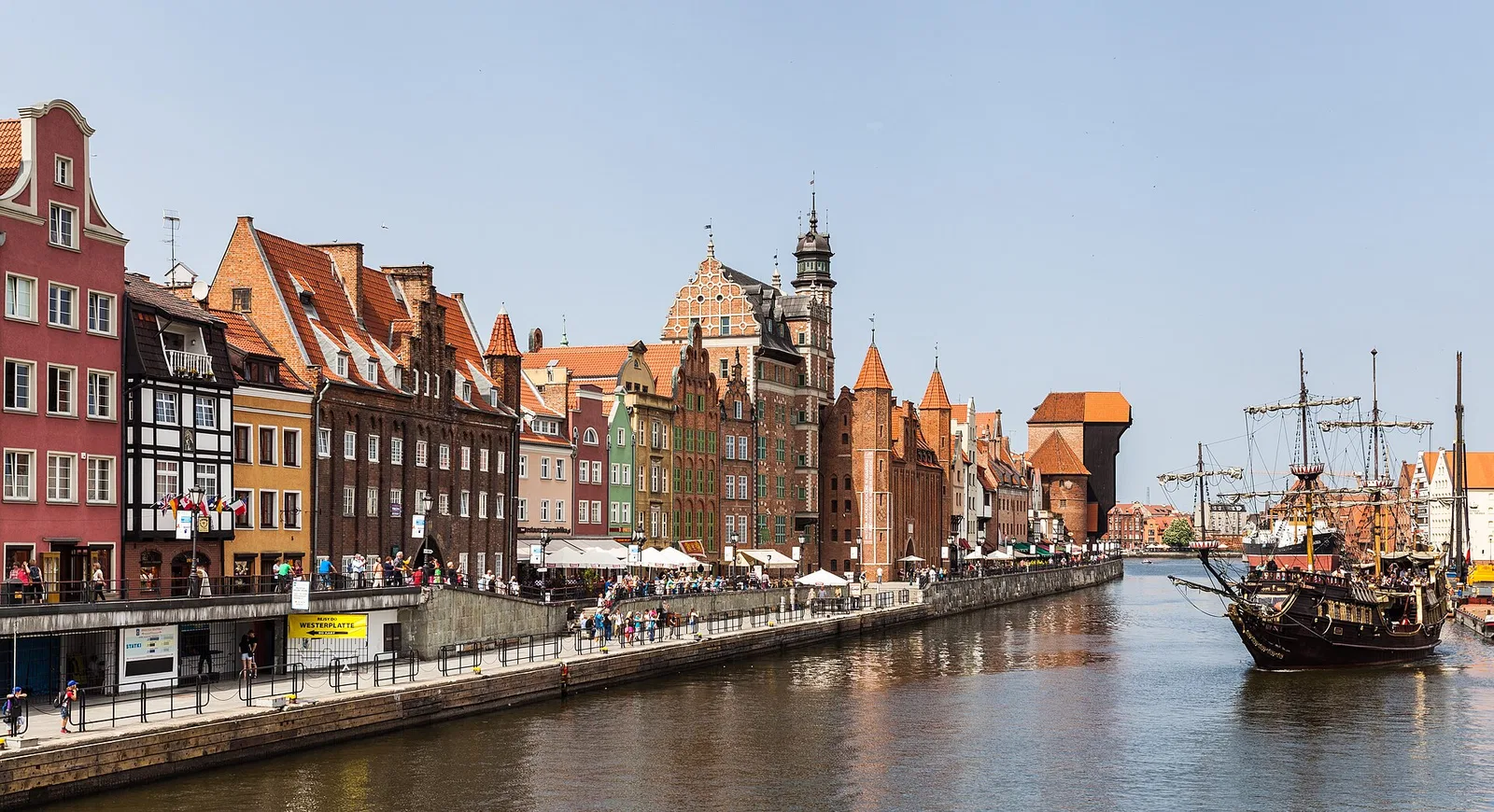
The waterfront crane, tall merchants' houses and shipyard gates let you read the Baltic port and the Solidarity story in the same walk.
Tip: Stay overnight if you can; the Main Town is quietest early and late, after day-trippers leave.

You descend through timbered chambers, brine lakes and St. Kinga's Chapel, all cut from rock salt by miners over centuries.
Tip: Book the tourist route ahead and wear good shoes; it is an easy half-day from Kraków.

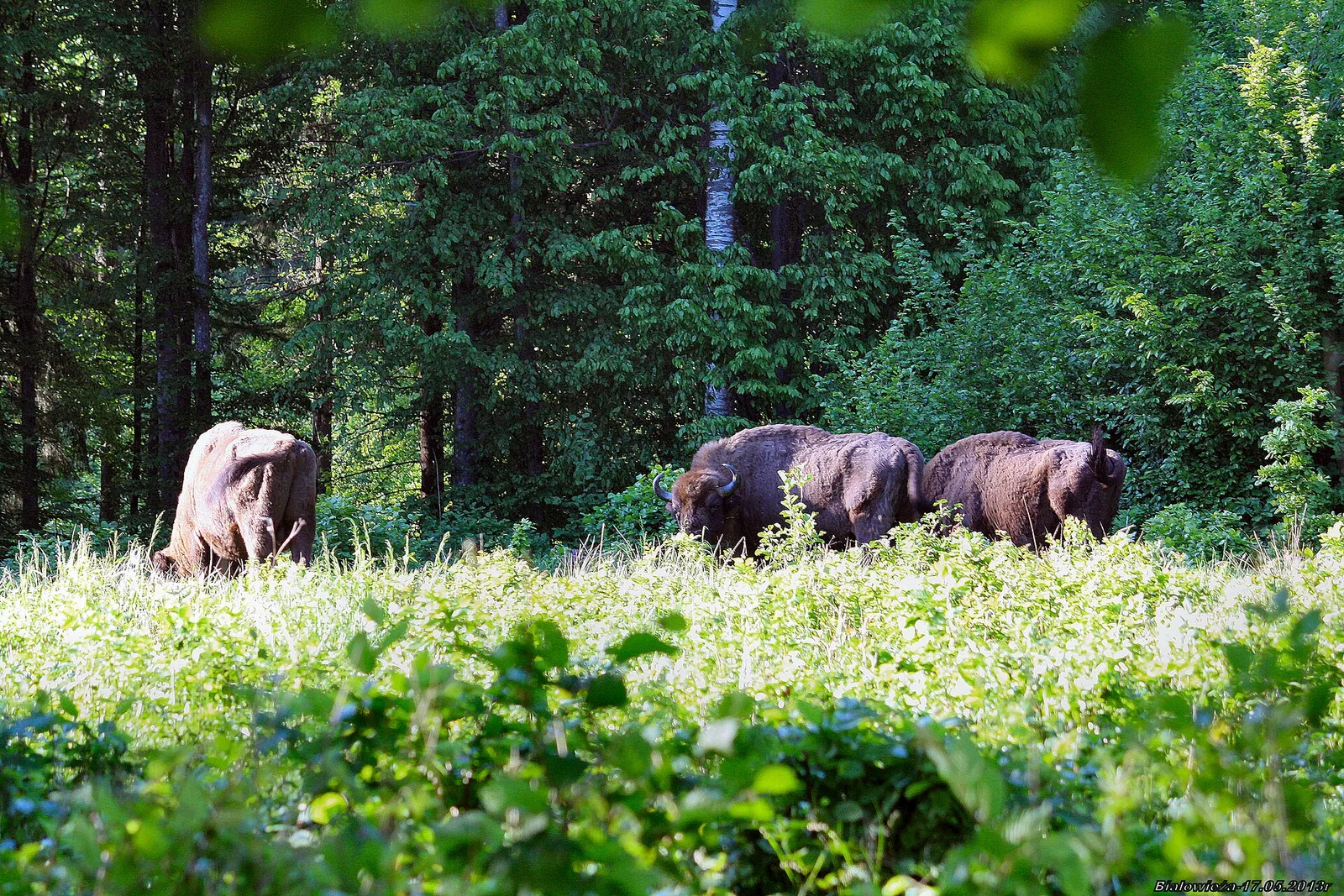
Go for guided walks and dawn drives into the meadows, where European bison still feed at the edge of the last large lowland forest of its kind in Europe.
Tip: Base yourself in Białowieża village; access to the strict reserve is with a guide only.
Eat
Story
In Kraków, the bugle call from St. Mary's breaks off mid-note every hour, day and night. In Warsaw, people still eat lunch in old milk bars under fluorescent lights before crossing into museums that explain why the city had to be rebuilt almost from scratch. Then you head east, smell pine resin and wet earth in Białowieża, and remember that much of Europe once looked like this.
In 966, Mieszko I accepted baptism and tied his realm to Latin Europe. Courts grew at Gniezno, Poznań and Kraków along the Vistula trade routes. In 1569, nobles gathered at Lublin and bound Poland to Lithuania in a commonwealth. For a time it was one of Europe's largest states, noisy with many languages and faiths.
In 1944, Warsaw burned after the uprising, and the postwar state that followed was communist and Soviet-backed. Queues and censorship became ordinary life. In August 1980, workers at the Lenin Shipyard in Gdańsk pinned their demands to the gate, and Lech Wałęsa became the strike's electrician-leader. Solidarność turned a labor dispute into a national movement, and the old order never fully recovered.
The Round Table talks of 1989 led to semi-free elections and a new political life. Roads improved, town centres were repaired, and whole generations moved between Warsaw, Berlin and London. Yet older rhythms stayed close: mushroom baskets in autumn, cemetery candles on All Saints' Day, long wedding tables, Sunday soup. The country today feels newly built and very conscious of what it cost.
Say hello
Dzień dobry
Good day; hello
Say: jen DOH-bri
Dziękuję bardzo
Thank you very much
Say: jen-KOO-yeh BAR-dzoh
Przepraszam
Excuse me; sorry
Say: psheh-PRAH-sham
Gdzie jest dworzec?
Where is the station?
Say: g-jeh yest DVOR-zets
Poproszę rachunek
The bill, please
Say: poh-PROH-sheh ra-HOO-nek
Surprises
Chopin's heart is in Warsaw, not Paris. At his request, his sister brought it home after his death, and it is sealed inside a pillar of Holy Cross Church.
The oldest known sentence written in Polish appears inside a Latin chronicle. In the Book of Henryków, a husband tells his wife, "Day, ut ia pobrusa, a ti poziwai" — roughly, "Let me grind, and you take a rest."
There is a desert here. Pustynia Błędowska, between Kraków and Katowice, is a wide sand field whose exposure was helped by centuries of mining and deforestation.
Quiz
Which Polish city's town hall clock sends out two mechanical goats at noon?
Poznań's Renaissance town hall is famous for the goats that emerge and butt heads each day at noon. The detail comes with a local legend about a cook, a burnt meal and two goats that escaped onto the roof.
3 days
Day 1
Morning on the Rynek Główny and St. Mary's Basilica, afternoon at Wawel Hill, evening for dinner and a long walk through Kazimierz.
Day 2
Morning at Wieliczka Salt Mine, afternoon back in Kraków for Podgórze or Schindler's Factory, evening by the Vistula.
Day 3
Early train to Warsaw, afternoon on the Royal Route and in the Old Town, evening at the Vistula boulevards or near POLIN Museum.
At a glance
At a glance
Member of
Read more
Listen
The song of the day
Dziwny jest ten świat
Czesław Niemen
It is the big moral howl of postwar Polish popular music, the song people reach for when one title has to stand for more than entertainment.
Play a 30-second preview30-second clip via Apple Music
Before you go, watch or read
Ida
Film
It opens up the country's postwar silences: convents, back roads, jazz clubs, Catholic ritual and the weight of Jewish absence.
Entry requirements
Poland entry requirements by passport: of 197 passports, 92 can enter without a visa, 0 get a visa on arrival, 0 apply online before they travel and 105 need a visa from an embassy or consulate.
Find your passport for the documents, the cost and how long you can stay.
Safety
US State Dept, updated September 20, 2025. Advisories change: check your own government's travel advice before you go.
From the community
🇵🇱 Today's country is Poland. A chapel carved from salt lies 101 metres underground. In Kraków, the bugle call from St. Mary's breaks off mid-note every hour, day and night. In Warsaw, people still eat lunch in old milk bars under fluorescent lights before crossing into museums that explain why the city had to be rebuilt almost from scratch. Then you head east, smell pine resin and wet earth in Białowieża, and remember that much of Europe once looked like this. 📍 Places to visit • Kraków…
Questions
Travel guide
3 travelers3 trips1 wishlisted
3.0(1 rating)
See who has been there and what you need to travel.