Wallis & Futuna: A French territory still has three kings.

Travel guide

Featured on October 28, 2026

Wallis & Futuna

A French territory still has three kings.

  • Mata-Utu
  • Oceania
  • French

Places

Places to visit in Wallis & Futuna

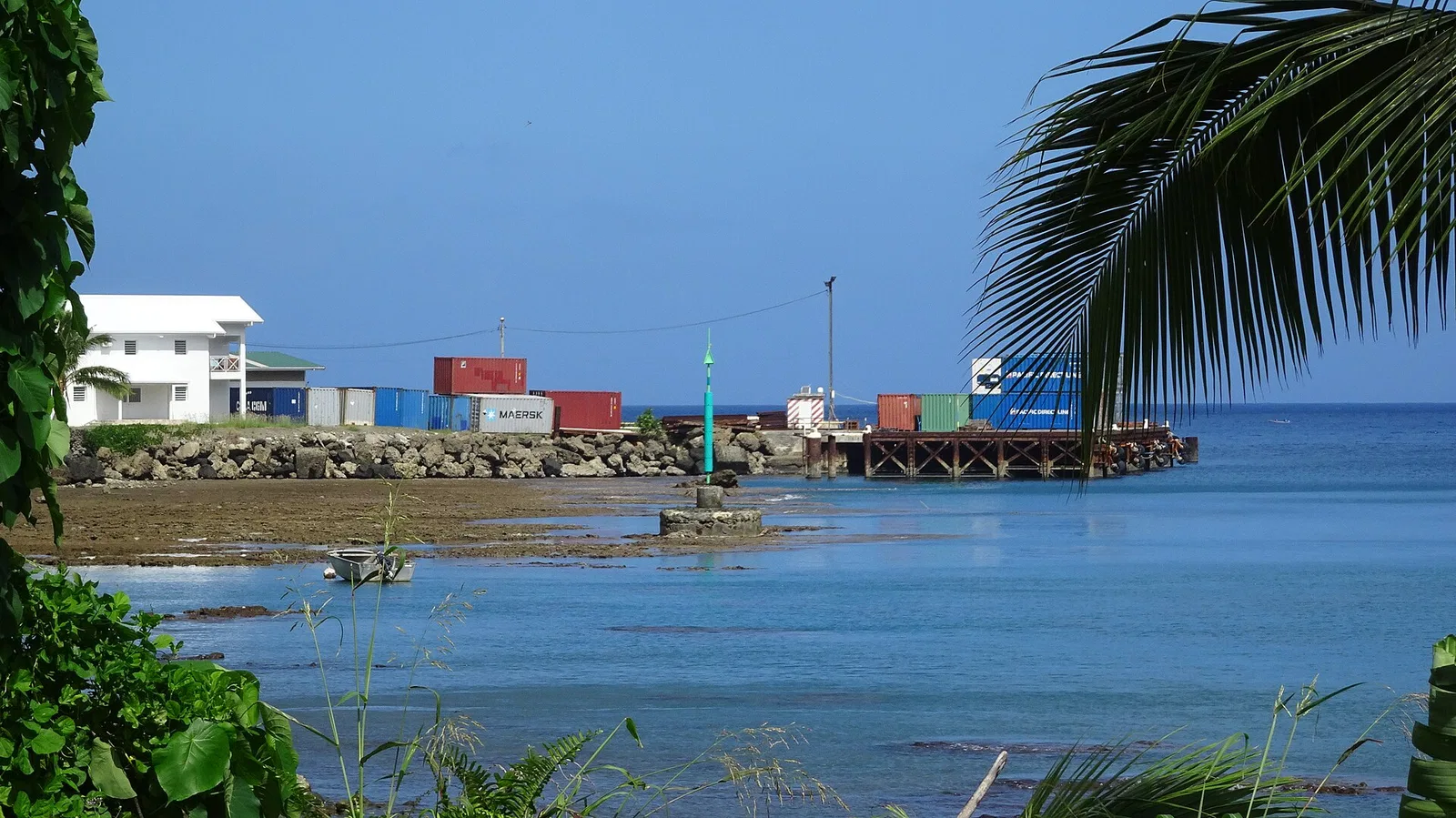
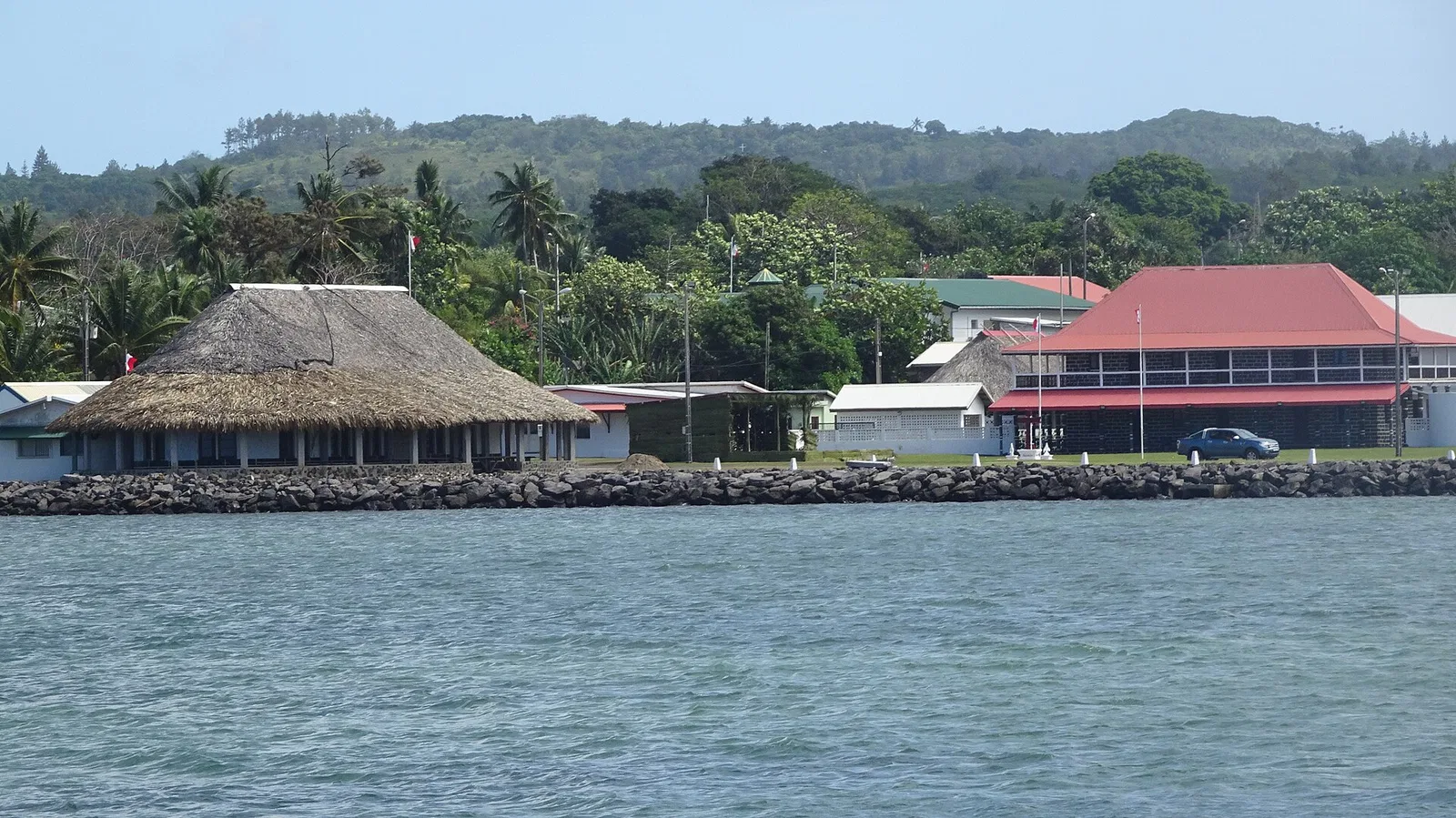
Mata Utu, Wallis & Futuna
City

Mata Utu

Brigitte &amp · CC BY-SA 2.0

The capital is small enough to walk, which is the point: the cathedral, the waterfront, the port and the government buildings all sit close enough to show how church, custom and the French state live side by side.

Tip: Give it half a day on foot; morning is best, when the waterfront and shops have some movement.
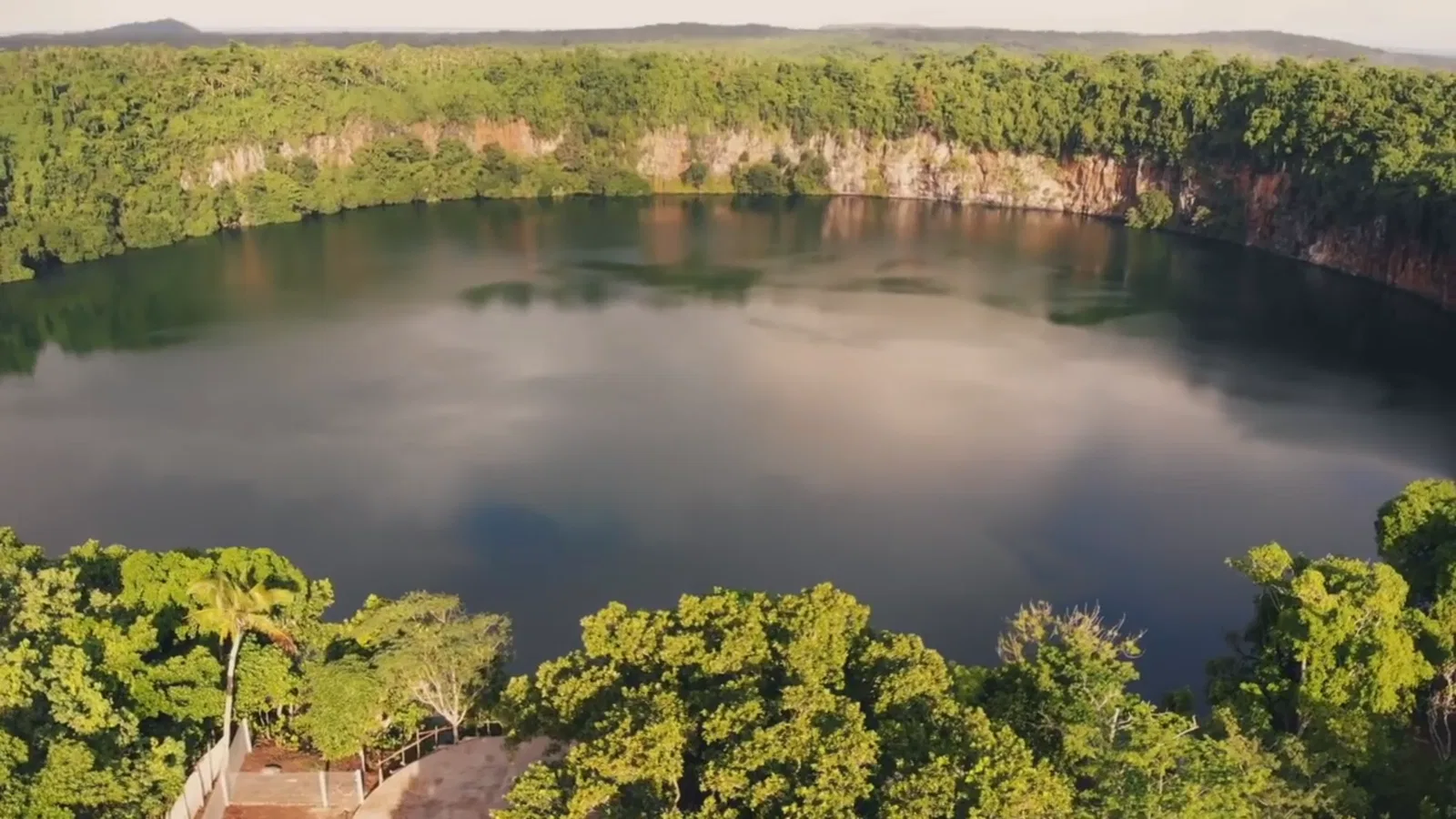
  • Lake Lalolalo, Wallis & Futuna
    Vogensto · CC BY-SA 4.0
    Nature

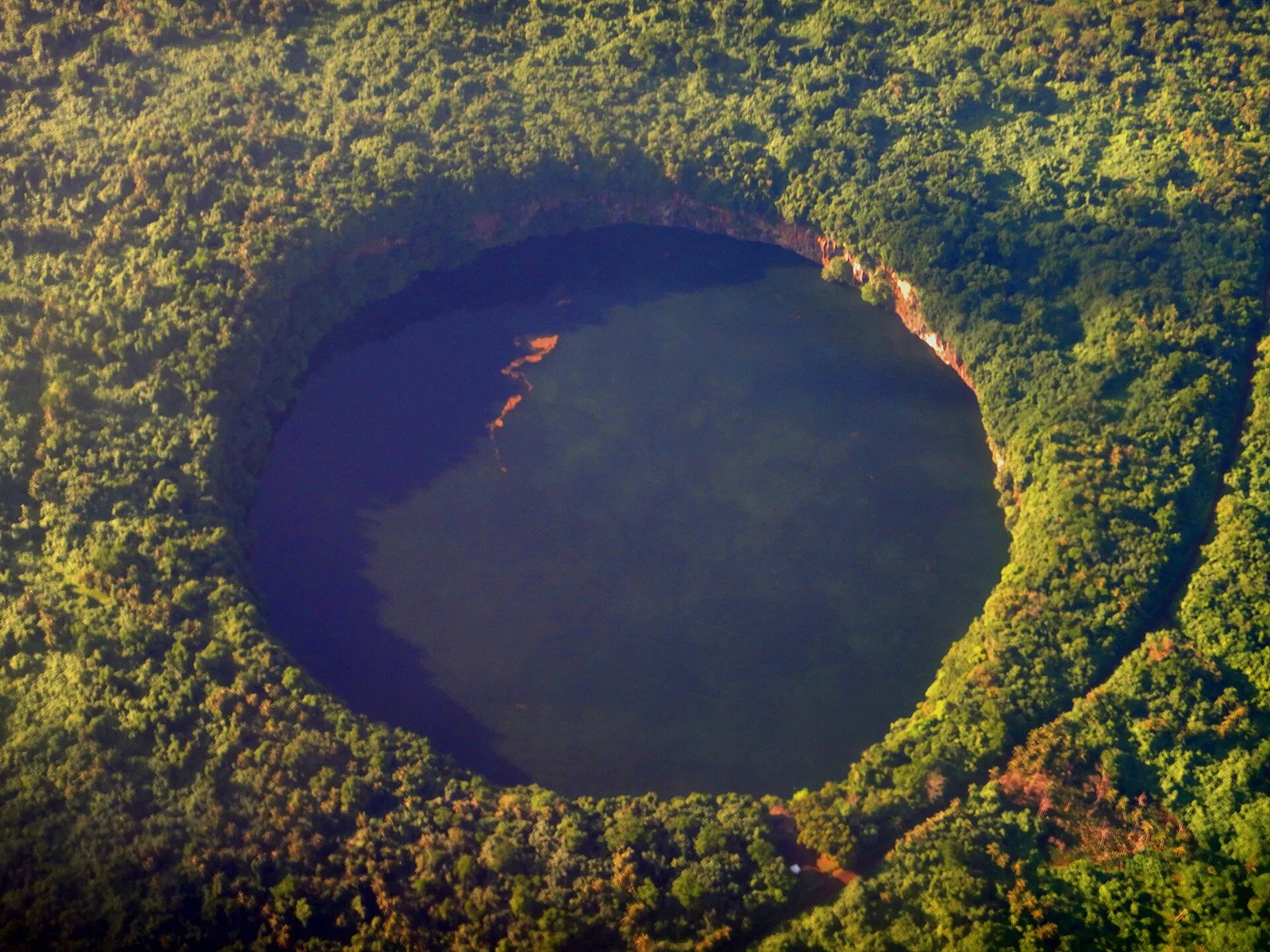
    Lake Lalolalo

    This volcanic crater lake is the island's great geological shock: a near-circular bowl of dark water with steep walls dropping away from the road. You go for the sudden silence and the sense that Wallis is not as gentle as the lagoon first suggests.

    Tip: Go in dry weather and wear proper shoes; an hour is enough unless you linger at the viewpoints.

  • Talietumu, Wallis & Futuna
    Tauʻolunga · CC BY-SA 2.5
    History

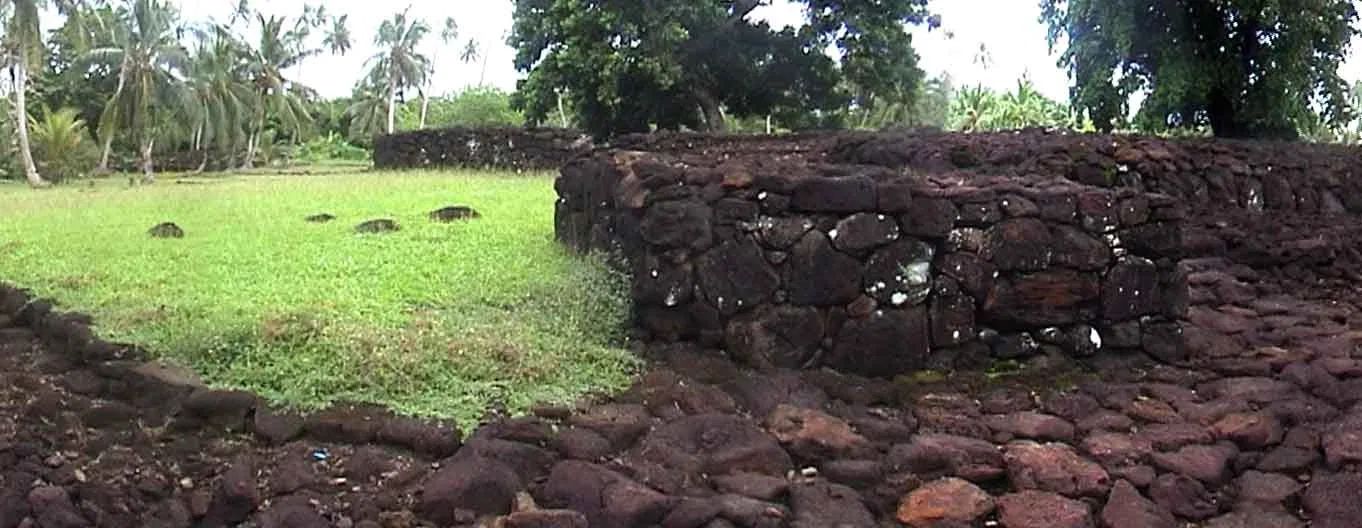
    Talietumu

    These restored earthworks and stone platforms are the clearest trace of the Tongan period on Wallis. Walking the site gives the islands a longer, less postcard version of Polynesian history: power, fortification and regional rivalry.

    Tip: Bring water and sun cover; the site is exposed, and it works well as part of a south-coast drive.

  • Futuna, Wallis & Futuna
    Brigitte &amp · CC BY-SA 2.0
    Culture

    Futuna

    Futuna feels steeper, tighter and more self-contained than Wallis, with villages pinned between mountain slopes and the sea. A circuit of the island takes you past chapels, taro patches and Poi, where Pierre Chanel is buried.

    Tip: Give it at least a full day and ideally a night; inter-island travel is limited, so book ahead and leave slack in your plans.

  • Alofi, Wallis & Futuna
    Anna Vinet · CC BY-SA 4.0
    Adventure

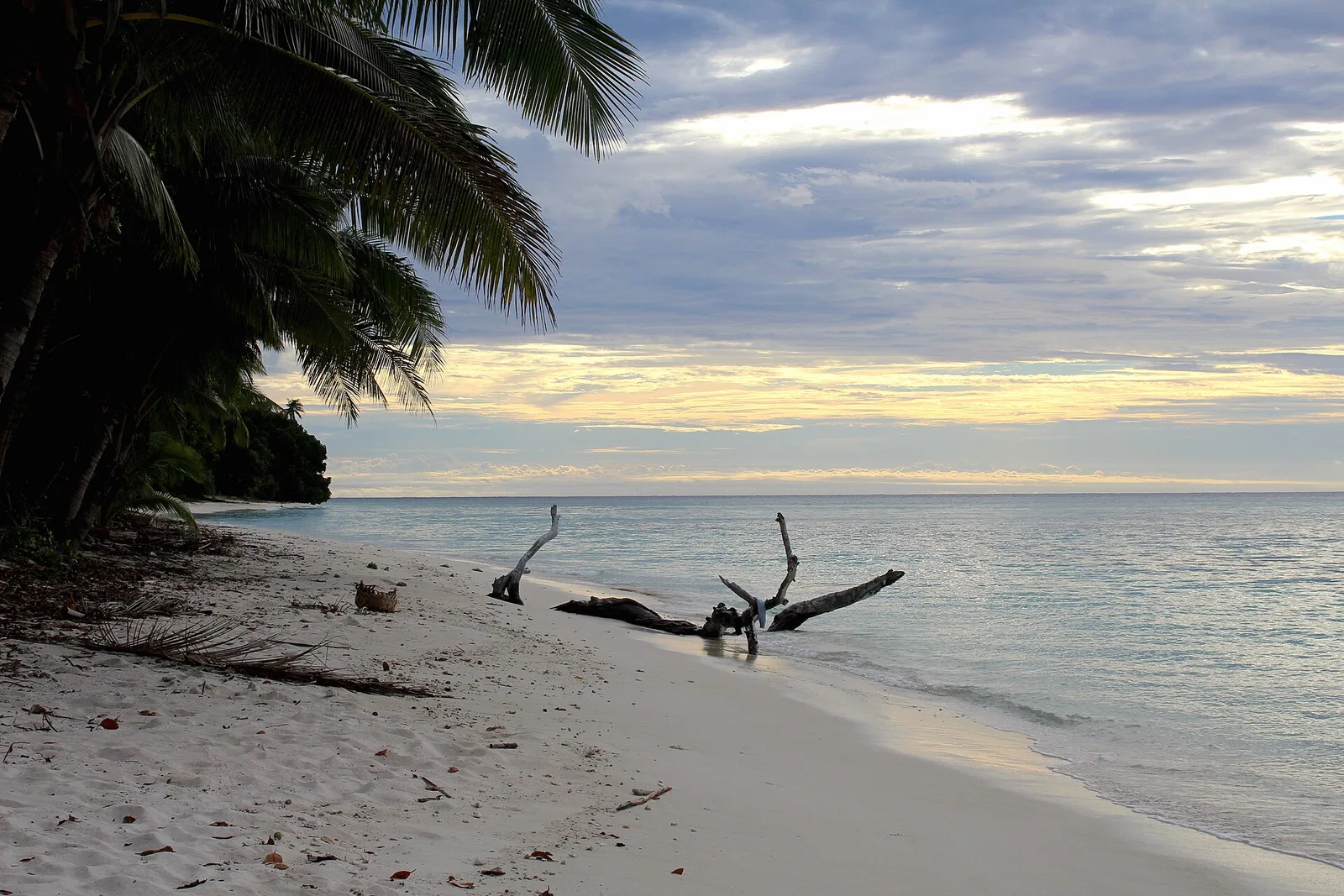
    Alofi

    Just across the channel from Futuna, this uninhabited island is the place to understand how thin the line can be between settlement and abandonment in the Pacific. People cross for the day, but the beaches, forest and old traces of use feel almost empty.

    Tip: Only go with a local boatman and calm seas, and take your own water.

Eat

What to eat in Wallis & Futuna

  • Lu pulu

    Taro leaves are filled with meat, often corned beef, then baked with coconut cream until the leaves soften into the sauce.

    Where: At family feasts and church gatherings, especially on big Sundays and saint's days.

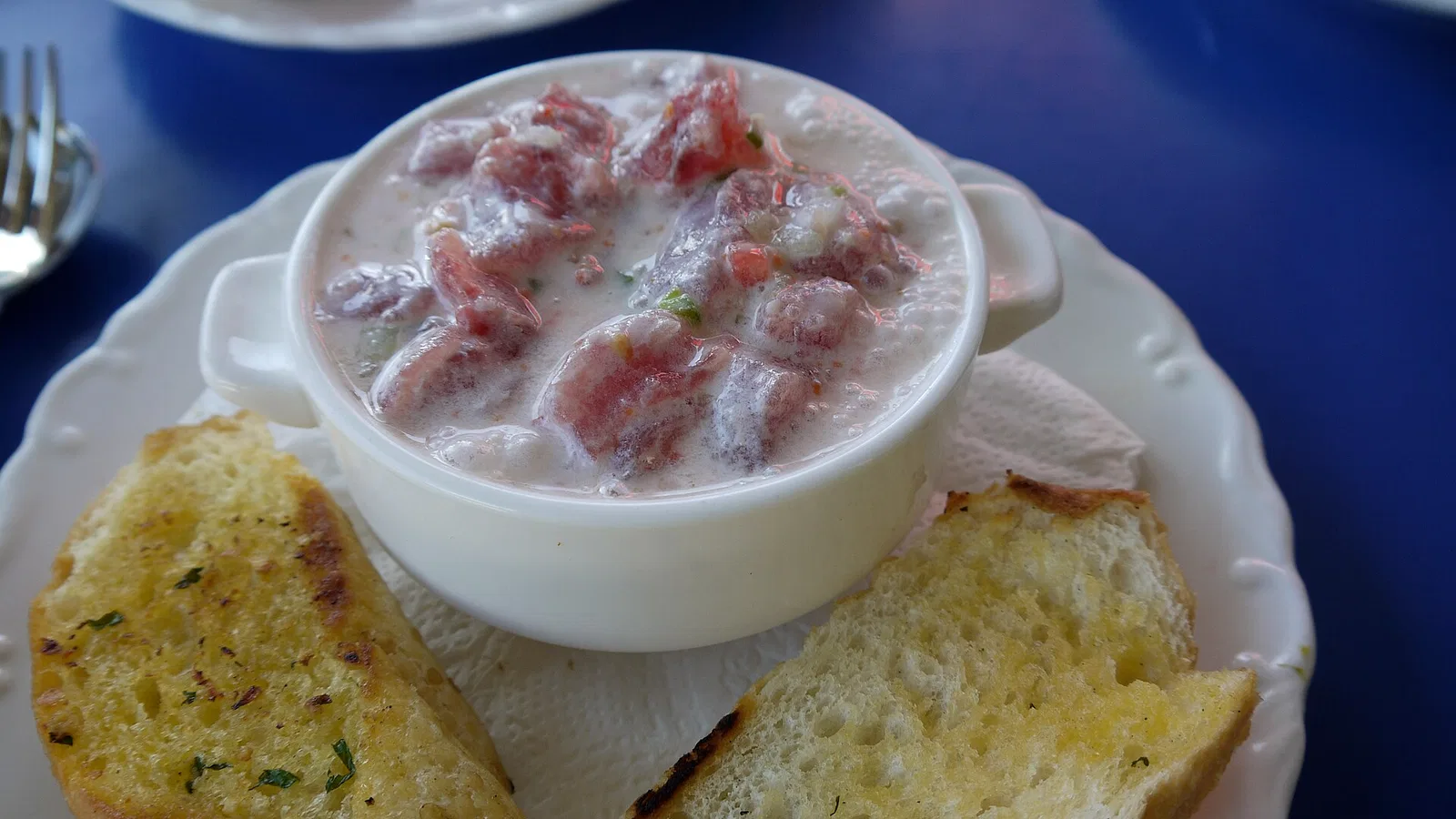
  • Ota ika — Wallis & Futuna
    watashiwani from Brooklyn, NY · CC BY 2.0

    Ota ika

    Raw fish, usually tuna or another firm catch, is dressed with lime and coconut milk and sometimes mixed with chopped vegetables.

    Where: At home lunches and simple seaside snack bars when the catch is fresh.

  • Feke

    Octopus is simmered or grilled, often with coconut cream, until it turns rich and chewy rather than delicate.

    Where: In coastal homes and at meals tied to fishing families.

  • Umu pork

    Pork is slow-cooked in an earth oven, often alongside taro, yam or breadfruit, until the meat takes on smoke and steam at once.

    Where: At katoaga-style community feasts, weddings and customary ceremonies.

Story

The story, in three chapters

In Mata Utu, the lagoon can look so still that the cathedral and the skiffs seem to share one reflection. You smell salt, woodsmoke and coconut oil before you notice how often people stop to greet one another. Then someone explains that France is here, three kings are here, and the week still turns on Mass, kava and feast days.

  1. Chapter 1

    Canoes and kingdoms

    Polynesian voyagers settled these islands long before any European ship arrived. Over time, separate kingdoms formed: Uvea on Wallis, and Alo and Sigave on Futuna. Wallis also felt strong Tongan influence, which is why a place like Talietumu exists at all. The sea linked the islands, but it never made them one.

  2. Chapter 2

    A death in Poi

    In 1837, the Marist missionary Pierre Chanel landed on Futuna. He learned the language and began to convert islanders, which alarmed King Niuliki. On 28 April 1841, Chanel was killed at Poi. The mission survived him, and before long Catholicism had moved to the centre of island life; in 1887 and 1888, the local rulers accepted French protection.

  3. Chapter 3

    Republic and kingdoms

    In 1961, after a referendum, the protectorate became a French overseas territory. Since 2003, the formal label has been overseas collectivity. But the republic did not replace custom. Three kings still hold recognised roles, and on feast days you can still watch clergy, chiefs and French officials take their places in one shared order.

Say hello

Say it like a local

  • Mālō te ma'uli

    Hello; literally a wish for good life or health

    Say: MAA-loh teh mah-OO-lee

  • Fakafeta'i

    Thank you

    Say: fah-kah-feh-TAH-ee

  • Kataki

    Please / excuse me

    Say: kah-TAH-kee

  • Tōfā

    Goodbye

    Say: TOH-faa

Surprises

Things you did not know

  1. Alofi has no permanent population. People from Futuna still cross to farm, fish or spend the day there, but nobody lives on the island year-round.

  2. Wallis and Futuna is a day ahead of nearby American Samoa. The International Date Line matters here more than the actual distance between islands.

  3. Older European charts call Futuna and Alofi the Hoorn Islands. Dutch navigators named them after Hoorn in the Netherlands when they passed through in 1616.

Quiz

One question

Wallis Island takes its European name from which navigator?

3 days

3 days in Wallis & Futuna

  1. Day 1

    Mata Utu and the south coast

    Morning in Mata Utu for the cathedral and waterfront; afternoon at Talietumu and the south-coast villages; evening back by the lagoon.

  2. Day 2

    Crater lakes and quiet roads

    Morning at Lake Lalolalo; afternoon at Lake Lanutavake and a slow circuit of Wallis's coast road; evening meal in or near Mata Utu.

  3. Day 3

    Futuna, with Alofi if seas allow

    Early flight to Futuna; spend the day on a coastal circuit through Leava and Poi, and cross to Alofi with a local boatman if weather and time line up.

At a glance

Wallis & Futuna: know before you go

Best time to go
June to September is the easiest window for drier weather and steadier seas; the wetter months are hotter and can disrupt boats and flights.
Budget
HighRooms may be simple, but remoteness makes flights, freight and limited accommodation push the overall cost up.
Etiquette
Dress modestly in villages and for church visits, and do not treat Sunday as a normal sightseeing day. If you are invited into a home, follow the lead on shoes and seating.
Safety
The main risk is remoteness rather than street crime. Weather can cancel flights and crossings, roads on Futuna are narrow, and medical care is limited, so leave time margins and do not count on instant backup.

At a glance

Capital
Mata-Utu
Population
11,558
Area
274 km² · 106 sq mi
Languages
French, Futunan, Wallisian
Currency
CFP Franc (XPF)
Time zone
UTC+12:00
Calling code
+681
Drives on the
Right
Internet domain
.wf
Landlocked
No, it has a coastline
More facts
Continent
Oceania

Neighbouring countries

It has no land borders.

Ask the community

Questions about Wallis & Futuna

No questions yet. Be the first to ask.

From the community

Trip stories from Wallis & Futuna

Countries

🇼🇫 Today's country is Wallis & Futuna. A French territory still has three kings. In Mata Utu, the lagoon can look so still that the cathedral and the skiffs seem to share one reflection. You smell salt, woodsmoke and coconut oil before you notice how often people stop to greet one another. Then someone explains that France is here, three kings are here, and the week still turns on Mass, kava and feast days. 📍 Places to visit • Mata Utu — The capital is small enough to walk, which is the…

Join Xplorians to react, save and comment

Questions

Wallis & Futuna: frequently asked questions

Wallis & Futuna: when is the best time to visit?
June to September is the easiest window for drier weather and steadier seas; the wetter months are hotter and can disrupt boats and flights.
Wallis & Futuna: what currency is used?
Currency in Wallis & Futuna: CFP Franc (XPF).
Wallis & Futuna: what language do people speak?
Languages of Wallis & Futuna: French, Futunan, Wallisian.
Wallis & Futuna: what is the capital?
The capital of Wallis & Futuna is Mata-Utu.

Travel guide

In the community

See who has been there and what you need to travel.

Join the community

Track the countries you have visited and meet travelers who have been there.