
Tuvalu: Nine coral islands, and no rivers at all.

Travel guide

Featured on November 17, 2026

Tuvalu

Nine coral islands, and no rivers at all.

  • Funafuti
  • Oceania
  • Tuvaluan

Places

Places to visit in Tuvalu

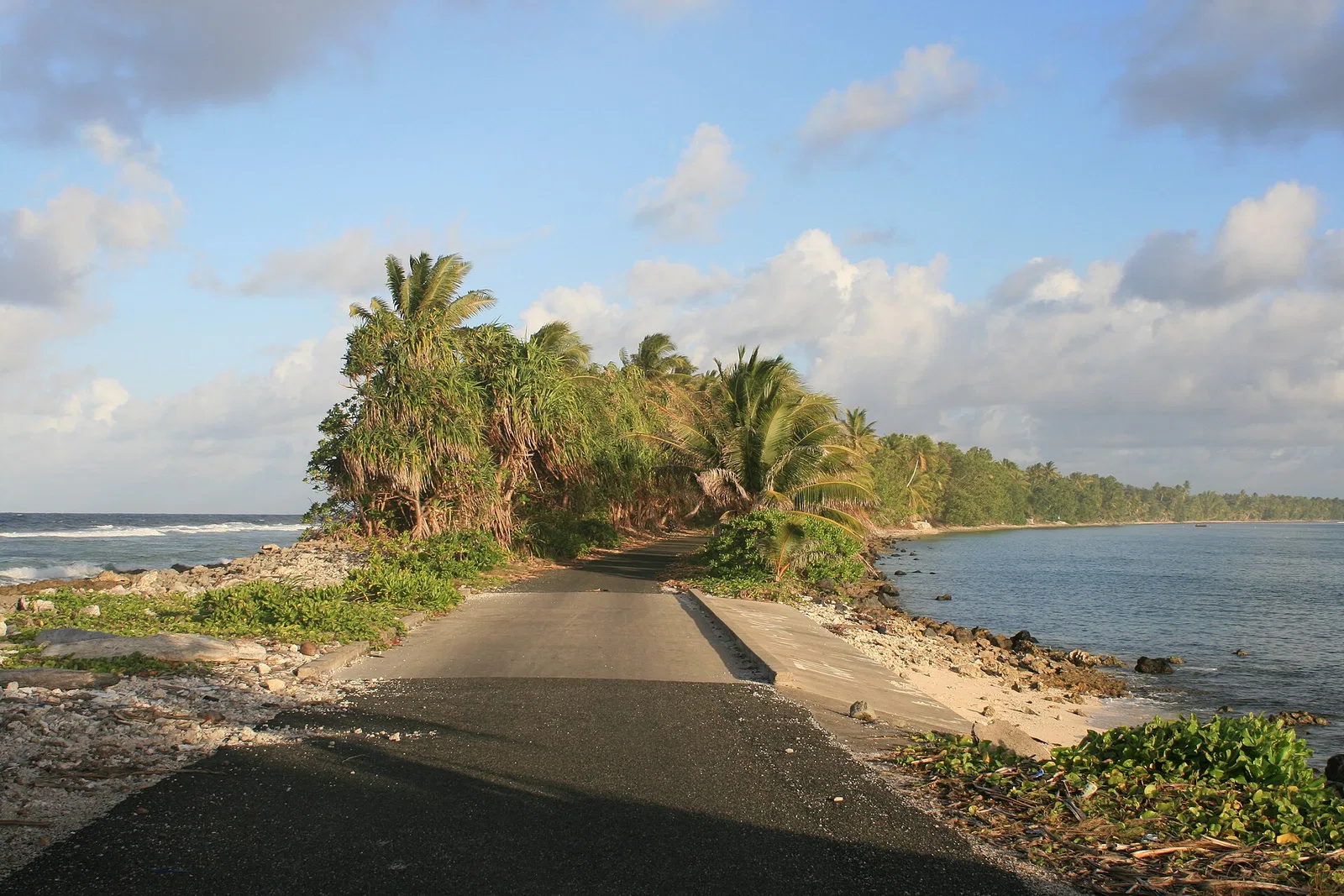
Funafuti, Tuvalu
City

Funafuti

Original: Stefan Lins Modifications: The original uploader was Cornischong at Lu · CC BY-SA 2.0

This is where a first visit makes sense: government offices beside family compounds, a lagoon edge, small shops, and the odd daily theatre of life on a narrow atoll. Walk or cycle through Vaiaku, watch boats come and go, and stay out for the cooler hour around sunset when most people are outside.

Tip: Give it a full day at minimum, and do your walking in the early morning or late afternoon.
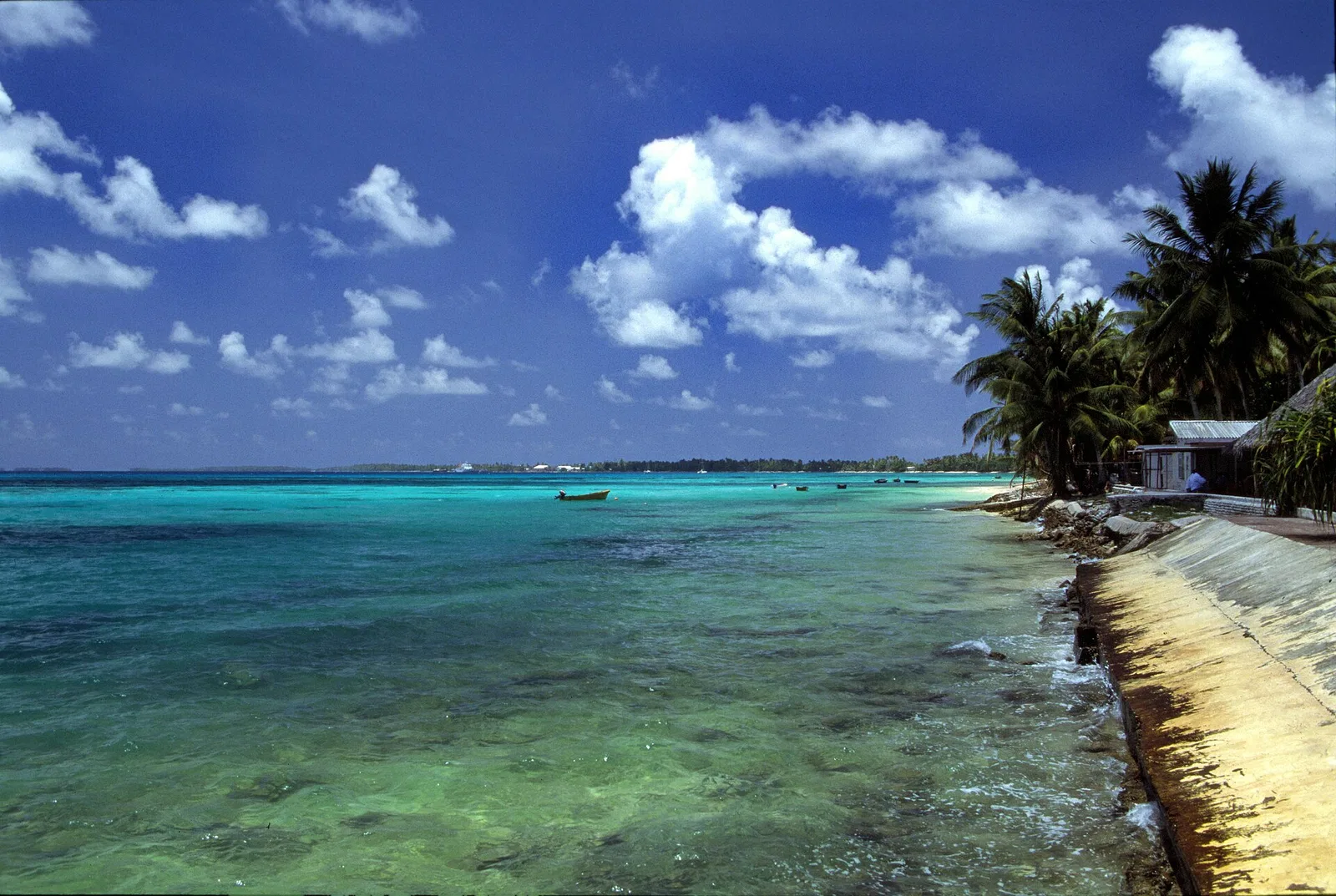
  • Funafuti Conservation Area, Tuvalu
    mrlins · CC BY 2.0
    Nature

    Funafuti Conservation Area

    A boat trip here gets you away from the road and into the real shape of the country: reef islets, clear lagoon water, seabirds, and snorkelling over coral. It is the easiest place on a short trip to feel the ecological side of these islands rather than only the political one.

    Tip: Worth paying for a boat and local guide; go in settled weather and give it at least half a day.

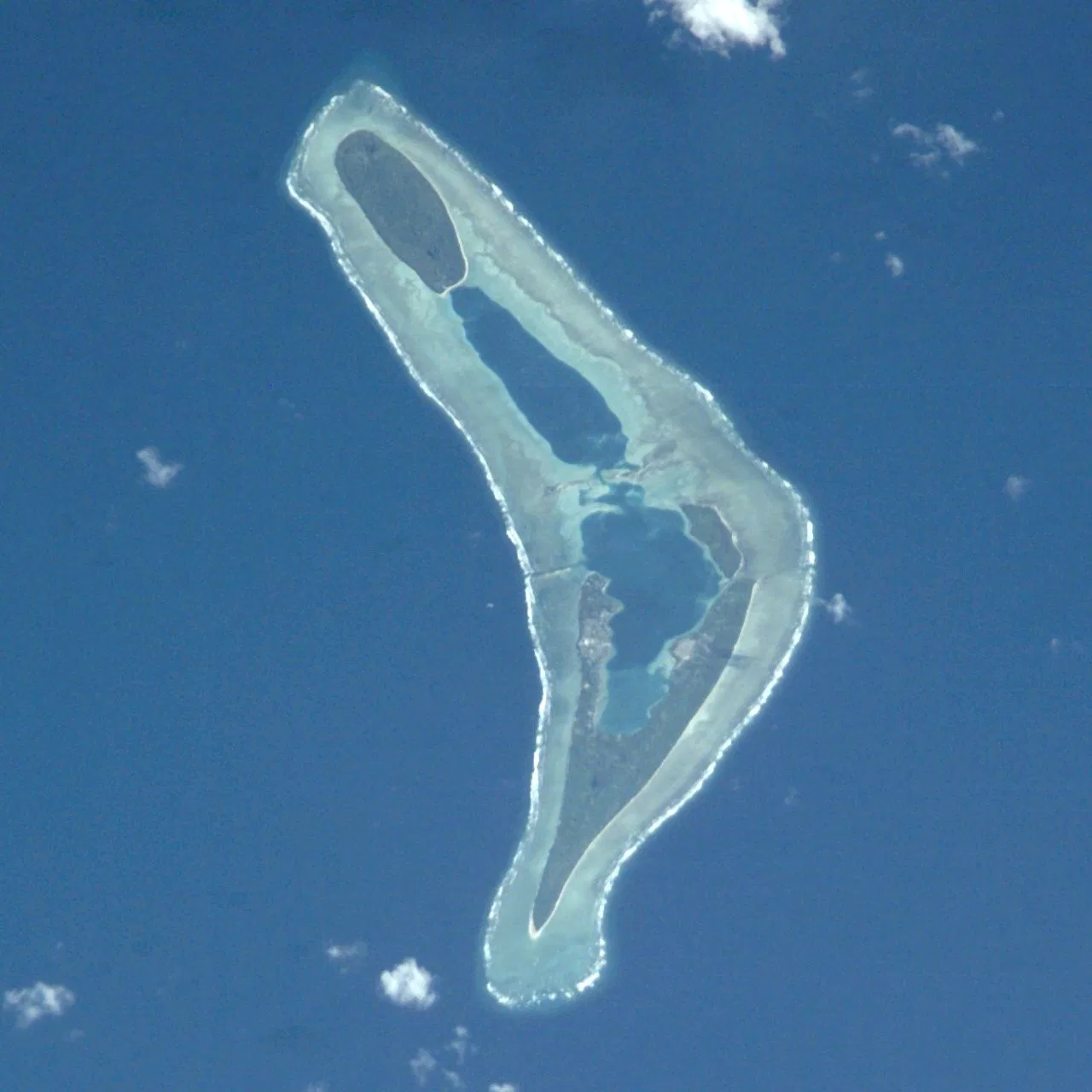
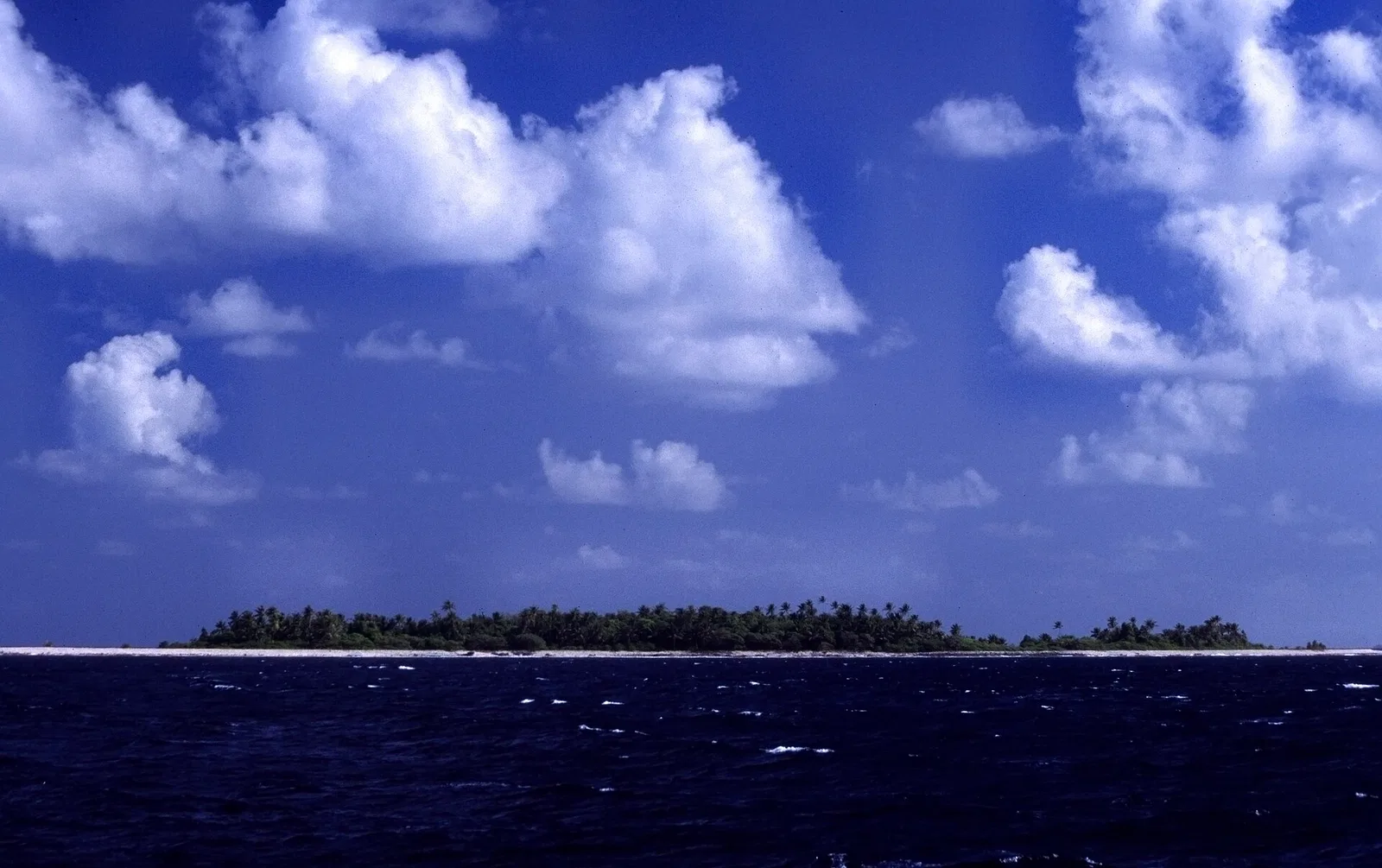
  • Nanumea, Tuvalu
    NASA · Public domain
    History

    Nanumea

    The northernmost atoll feels much farther from Funafuti than the map suggests. Go for the long ocean side, traces of World War II, and the sense of a community living at a different pace from the capital.

    Tip: Only plan it if you can leave buffer days; transport can shift with weather and cargo, and it is worth at least two nights.

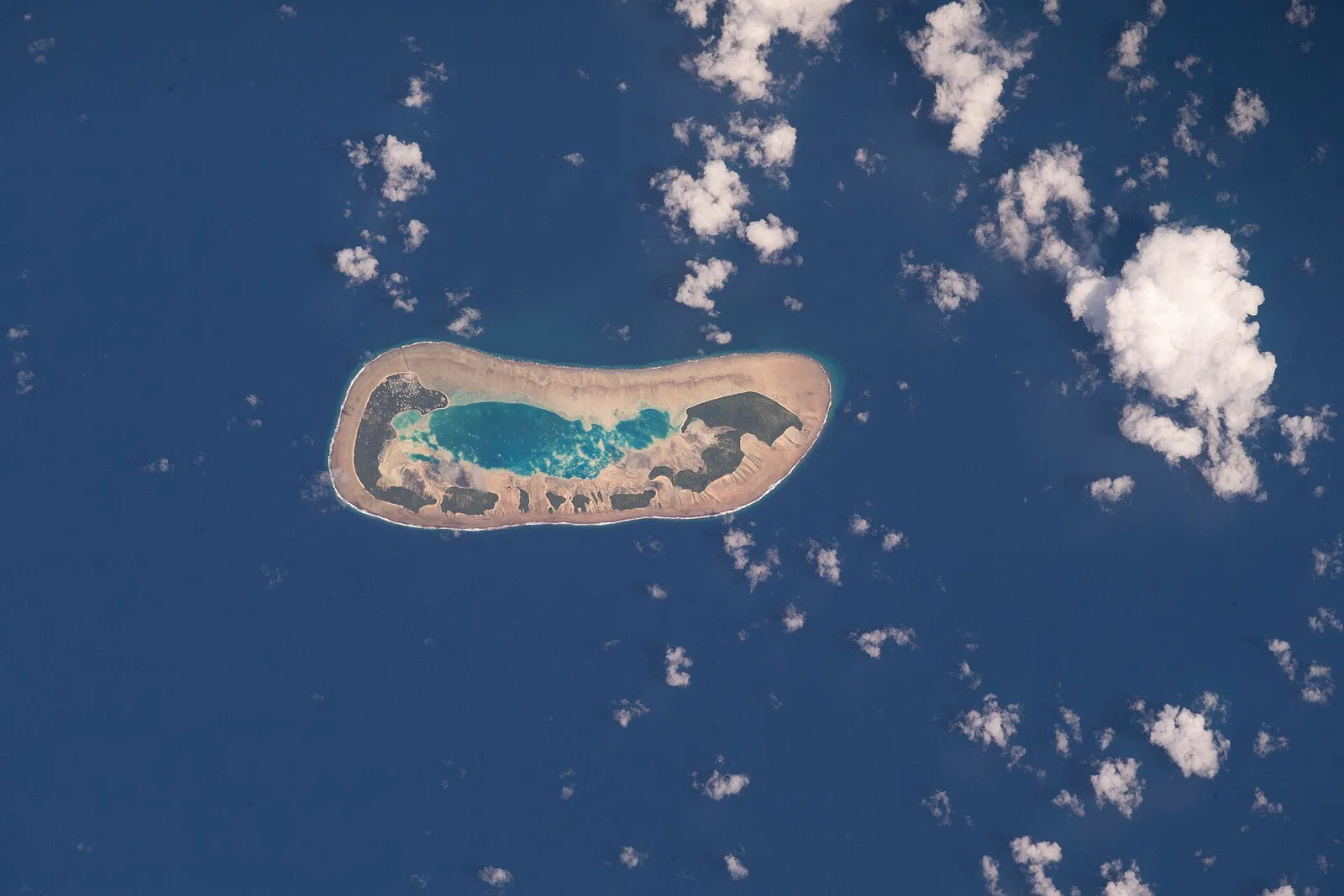
  • Nui (atoll), Tuvalu
    Earth Science and Remote Sensing Unit, NASA Johnson Space Center · Public domain
    Culture

    Nui (atoll)

    Nui shows a different strand of the country, with strong cultural links to Kiribati that come through in speech and custom. If you reach it, the pleasure is in noticing variation within a place outsiders often flatten into one story.

    Tip: Best as an outer-island stay rather than a dash; build in slack for changing flight or boat schedules.

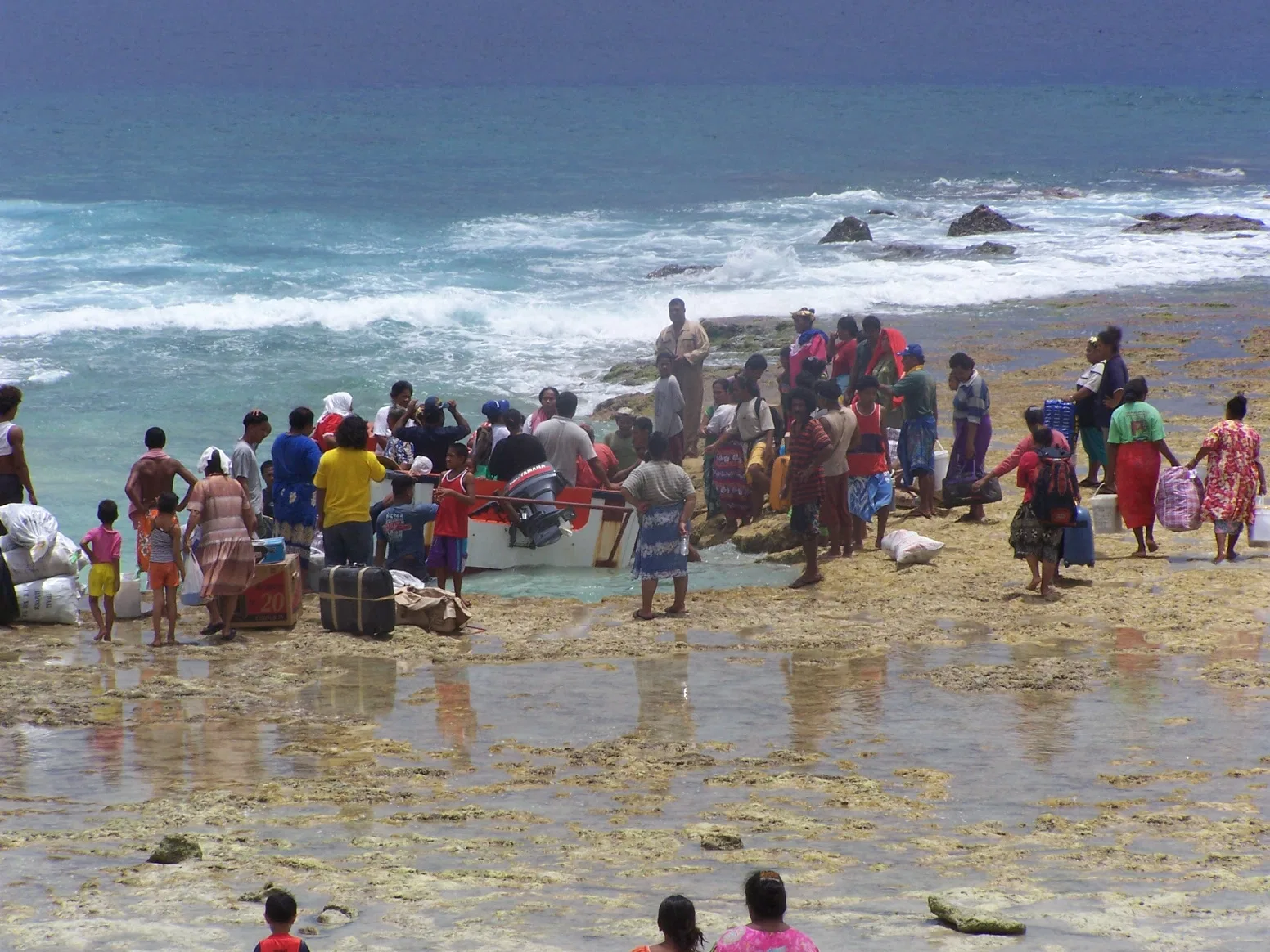
  • Niutao, Tuvalu
    Cesqld · Public domain
    Culture

    Niutao

    Known for its inland ponds as well as its reef edge, Niutao helps you understand how people make life work on coral ground with little fresh water. Walk between village paths, pits, and shore, and the logic of the atoll becomes clearer.

    Tip: Give it at least two nights if you go; outer-island transport is part of the experience and rarely fast.

Eat

What to eat in Tuvalu

  • Pulaka

    A dense swamp taro grown in pits, then boiled, baked, or pounded and eaten with coconut cream or alongside fish.

    Where: At family tables on the outer islands and at larger community meals in the maneapa.

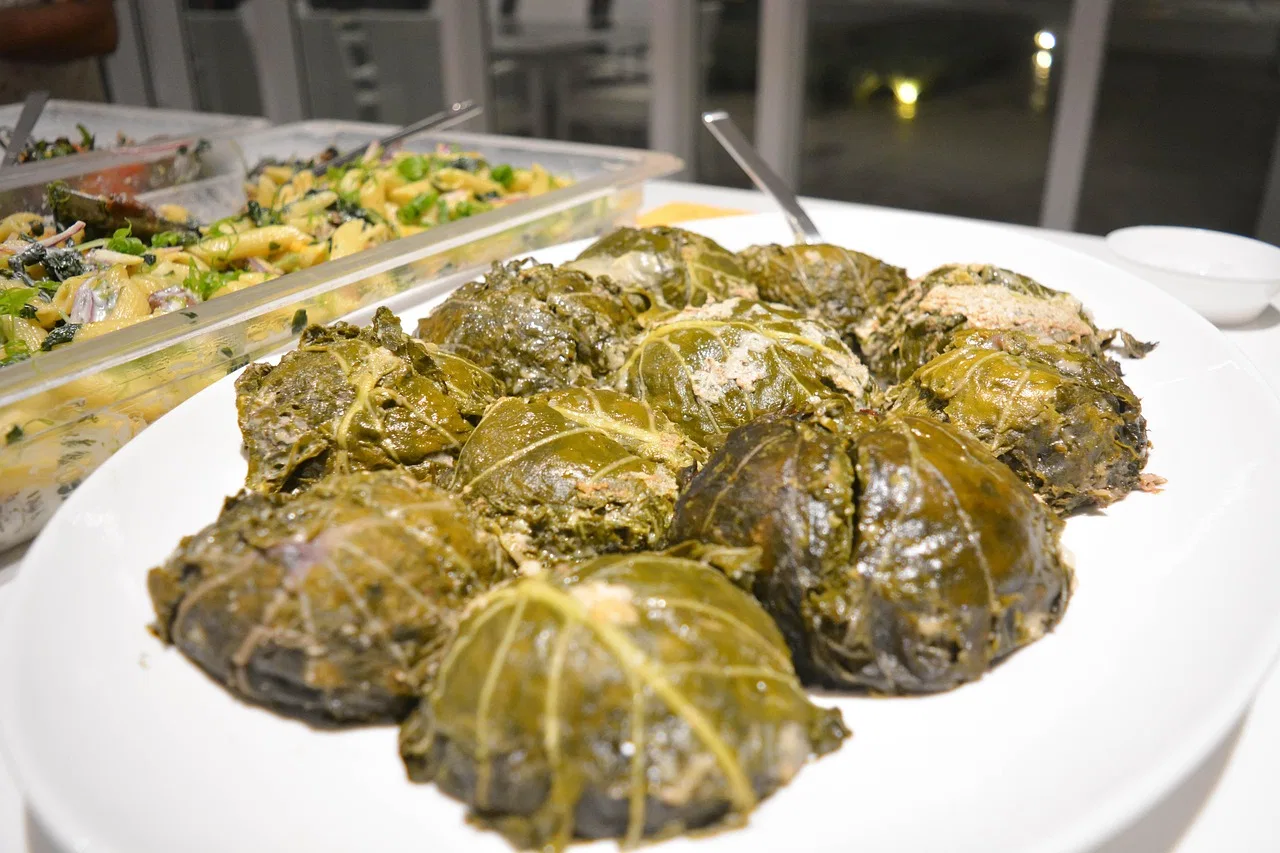
  • Palusami — Tuvalu
    graphicshod21 · Pixabay Content License

    Palusami

    Taro leaves wrapped around coconut cream, onion, and often corned beef, then baked until the leaves soften into a rich parcel.

    Where: After church on Sunday and at weddings, feasts, and island celebrations.

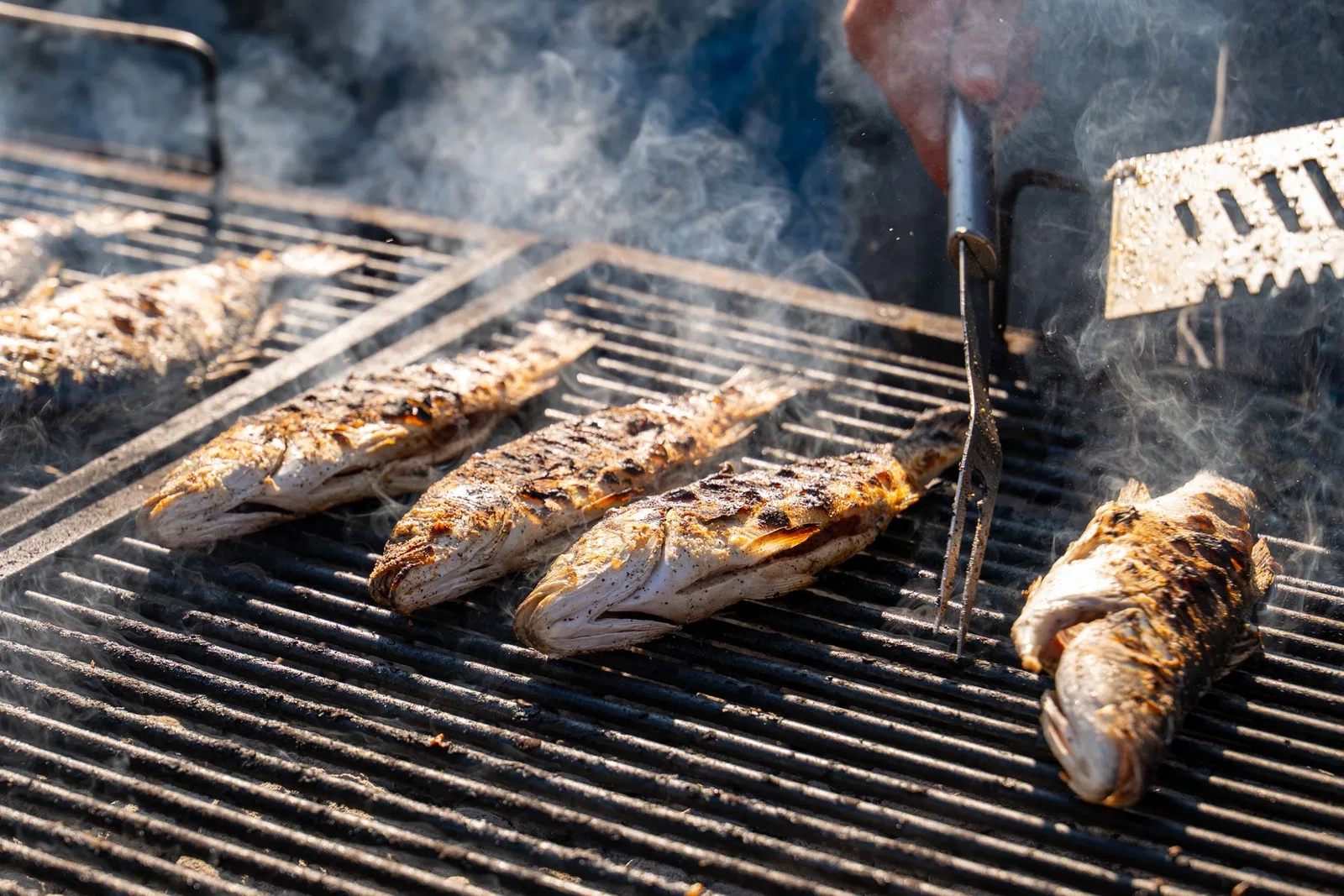
  • Grilled reef fish — Tuvalu
    Vladimir Srajber · Pexels License

    Grilled reef fish

    Whatever came in that day—often tuna or smaller reef fish—salted and grilled whole or in steaks over charcoal.

    Where: At home dinners and simple harbour-side kitchens in Funafuti.

  • Panikeke

    Sweet fried dough, often made with coconut milk or mashed banana in the batter, eaten hot as a snack.

    Where: From small stalls in Vaiaku in the morning or mid-afternoon.

Story

The story, in three chapters

Late in Funafuti, the lagoon turns mirror-flat and the air smells of salt, diesel, and frying fish. People wave from motorbikes, and by dark the singing from a church or a maneapa carries across the road. You come for a kind of stillness that is hard to find anywhere else: a capital on an atoll, living by tide, rain tank, and ship schedule.

  1. Chapter 1

    Canoes on coral

    Long before any flag, Polynesian navigators reached these atolls by star path and swell. They made villages on strips of coral and dug deep pits for the crops that could live with thin soil and scarce fresh water. The maneapa became the room for decisions, dances, and guests. In 1568 Álvaro de Mendaña sighted Nui, the first recorded European glimpse.

  2. Chapter 2

    The Ellice decision

    In 1892 Britain brought the islands into the Gilbert and Ellice Islands protectorate. On paper they were one colony; in practice, language and politics did not sit easily together. In 1974, Ellice islanders voted in a referendum to separate. Toaripi Lauti became the first prime minister when independence came in 1978.

  3. Chapter 3

    Front row

    In New York and Paris, leaders such as Enele Sopoaga turned low ground into part of the world's climate vocabulary. Back home, the scale stays intimate: cargo ships on the horizon, church choirs on Sunday, rain tanks beside houses. Most people still know one another by family and island. Remoteness and visibility now live side by side.

Say hello

Say it like a local

  • Talofa

    Hello

    Say: tah-LOH-fah

  • Fakafetai

    Thank you

    Say: fah-kah-feh-TAI

  • Fakamolemole

    Please / excuse me

    Say: fah-kah-moh-leh-moh-leh

  • Ikai

    No

    Say: ee-KAI

  • Tofa

    Goodbye

    Say: TOH-fah

Surprises

Things you did not know

  1. The Royal Society drilled deep into Funafuti in the 1890s to test Charles Darwin's coral-reef theory. The cores helped confirm that atolls form as volcanic islands slowly sink beneath them.

  2. The first ATMs only began operating in 2016. Before that, getting cash meant planning around bank-counter hours.

  3. There are no formal political parties. MPs usually contest elections as independents, and governments are assembled after the vote through personal alliances.

Quiz

One question

What does the name "Tuvalu" most commonly gloss as?

3 days

3 days in Tuvalu

  1. Day 1

    Funafuti on foot and by bike

    Morning walk or cycle through Vaiaku on Fongafale; afternoon by the lagoon edge in Funafuti; evening around the runway and nearby churches when the heat drops.

  2. Day 2

    Out to the reef islets

    Morning boat to the Funafuti Conservation Area; afternoon snorkelling and time on a motu; evening back in Funafuti for fish and an early night.

  3. Day 3

    A quieter motu

    Morning boat across the lagoon to Funafala; afternoon walking the islet and swimming; evening return to Vaiaku for one last slow sunset.

At a glance

Tuvalu: know before you go

Best time to go
May to October is usually drier and easier for moving around by boat; later months are hotter, wetter, and more cyclone-prone.
Budget
HighDay-to-day life is simple, but remoteness makes flights, freight, and many imported basics costly for visitors.
Etiquette
Dress modestly away from the water, keep Sunday quiet, and ask before photographing church services or formal gatherings in a maneapa.
Safety
The main risks are heat, sun, mosquitoes, and the limits of local medical care. Bring any essential medicines, carry cash, and use travel insurance that covers evacuation and delays.

At a glance

Capital
Funafuti
Population
10,643
Area
25 km² · 10 sq mi
Languages
Tuvaluan, English
Currency
Tuvaluan dollar
Time zone
UTC+12:00, Pacific/Funafuti
Calling code
+688
Drives on the
Left
Internet domain
.tv
Landlocked
No, it has a coastline
More facts
Continent
Oceania

Member of

  • United Nations

Neighbouring countries

It has no land borders.

Listen

Listen & watch

Before you go, watch or read

Tuvalu: A History

Book

It opens up the place beyond the sea-level headline, with the voices and decisions that shaped these atolls into a country.

Entry requirements

Tuvalu visa requirements

Tuvalu entry requirements by passport: of 197 passports, 35 can enter without a visa, 160 get a visa on arrival, 0 apply online before they travel and 2 need a visa from an embassy or consulate.

Safety

Tuvalu safety: is it safe to visit?

Level 1 of 4Exercise Normal Precautions

US State Dept, updated May 15, 2025. Advisories change: check your own government's travel advice before you go.

Ask the community

Questions about Tuvalu

No questions yet. Be the first to ask.

From the community

Trip stories from Tuvalu

Countries

🇹🇻 Today's country is Tuvalu. Nine coral islands, and no rivers at all. Late in Funafuti, the lagoon turns mirror-flat and the air smells of salt, diesel, and frying fish. People wave from motorbikes, and by dark the singing from a church or a maneapa carries across the road. You come for a kind of stillness that is hard to find anywhere else: a capital on an atoll, living by tide, rain tank, and ship schedule. 📍 Places to visit • Funafuti — This is where a first visit makes sense:…

Join Xplorians to react, save and comment

Questions

Tuvalu: frequently asked questions

Tuvalu visa: do I need one?
Tuvalu entry requirements by passport: of 197 passports, 35 can enter without a visa, 160 get a visa on arrival, 0 apply online before they travel and 2 need a visa from an embassy or consulate.
Tuvalu: is it safe to visit?
US State Dept rates Tuvalu at level 1 of 4. Exercise Normal Precautions.
Tuvalu: when is the best time to visit?
May to October is usually drier and easier for moving around by boat; later months are hotter, wetter, and more cyclone-prone.
Tuvalu: what currency is used?
Currency in Tuvalu: Tuvaluan dollar.
Tuvalu: what language do people speak?
Languages of Tuvalu: Tuvaluan, English.
Tuvalu: what is the capital?
The capital of Tuvalu is Funafuti.

Travel guide

In the community

See who has been there and what you need to travel.

Join the community

Track the countries you have visited and meet travelers who have been there.