
Nigeria: Sukur was Africa’s first World Heritage cultural landscape.

Travel guide

Featured on November 11, 2026

Nigeria

Sukur was Africa’s first World Heritage cultural landscape.

  • Abuja
  • Africa
  • English

Places

Places to visit in Nigeria

Lagos, Nigeria
City

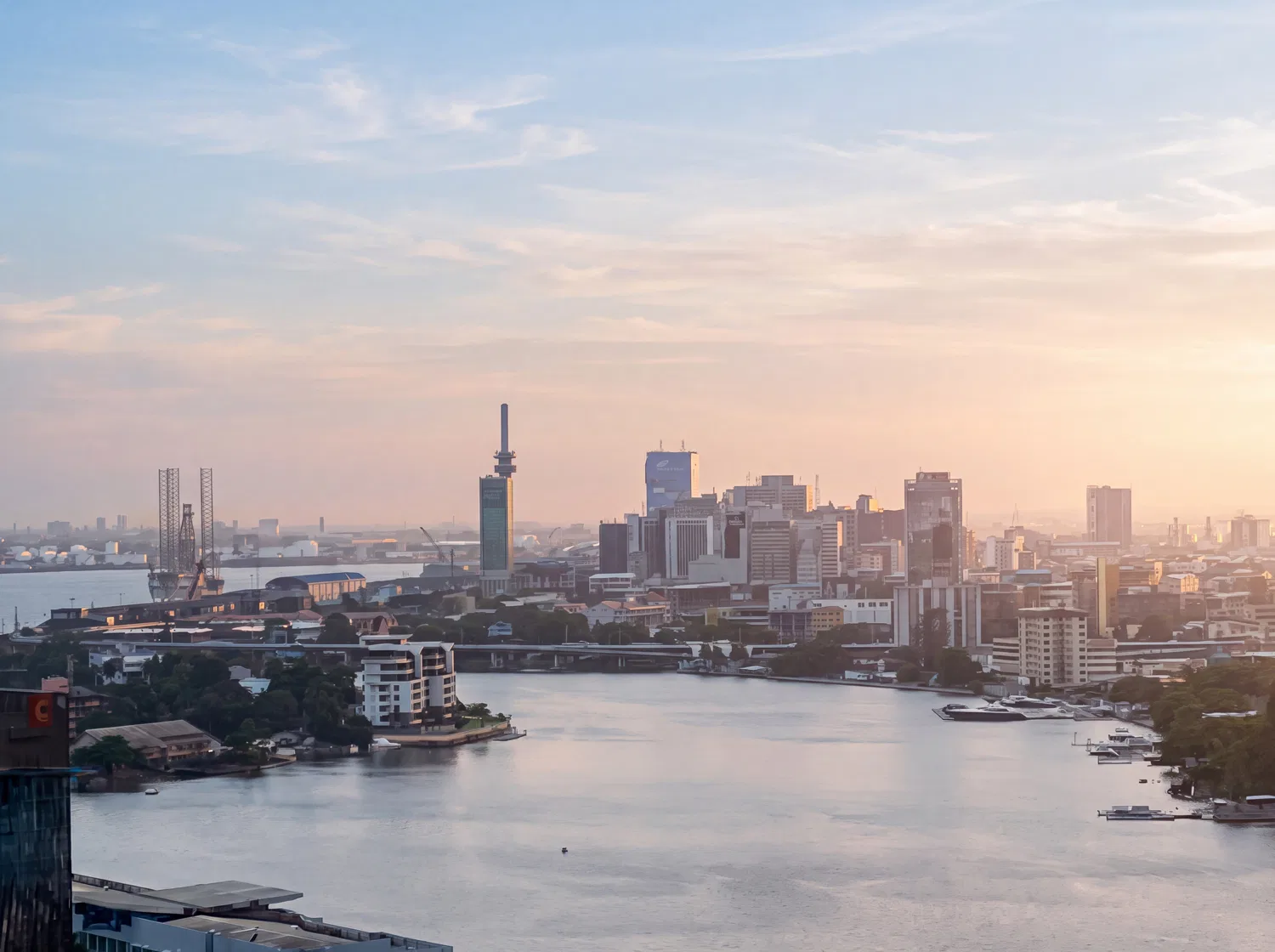
Lagos

FrankvEck · CC BY-SA 4.0

Ride a ferry across the lagoon, walk the Brazilian Quarter on Lagos Island, then end the day at the New Afrika Shrine or a late restaurant on the mainland. The city clicks when you see water, trade and nightlife stacked into the same day.

Tip: Give it three days; use ferries when you can, and keep each day to one part of town.
  • Kano, Nigeria
    Ummigarba · CC BY-SA 4.0
    History

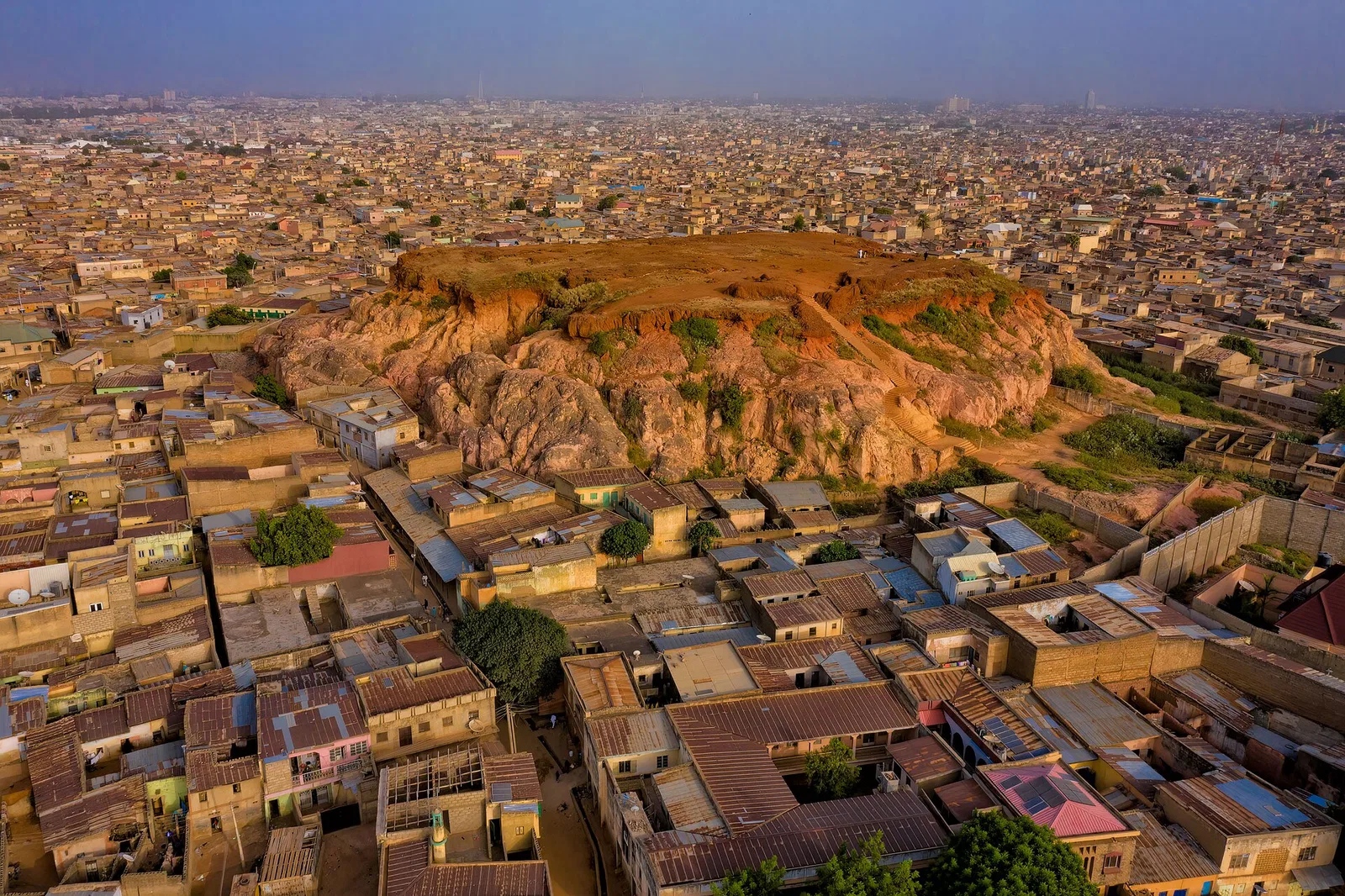
    Kano

    Watch dyers lower cloth into the indigo pits at Kofar Mata, then work your way through Kurmi Market and the old city gates. Few places show the old Hausa trading world this clearly.

    Tip: Go early, dress modestly, and hire a guide for the old city; Friday midday can slow visits.

  • Osun-Osogbo Sacred Grove, Nigeria
    Vitus Emmanuel Nnaemeka · CC BY-SA 4.0
    Culture

    Osun-Osogbo Sacred Grove

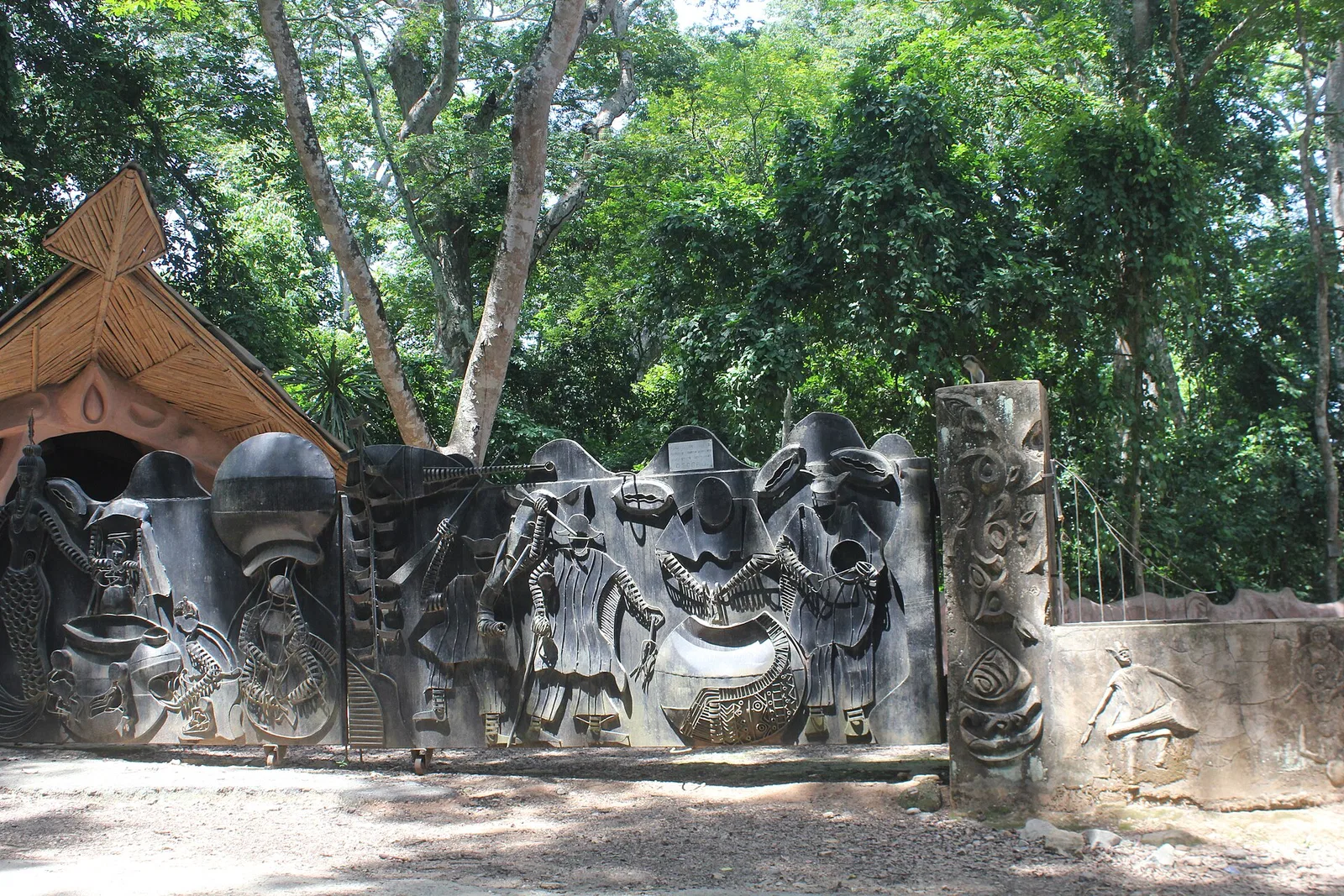
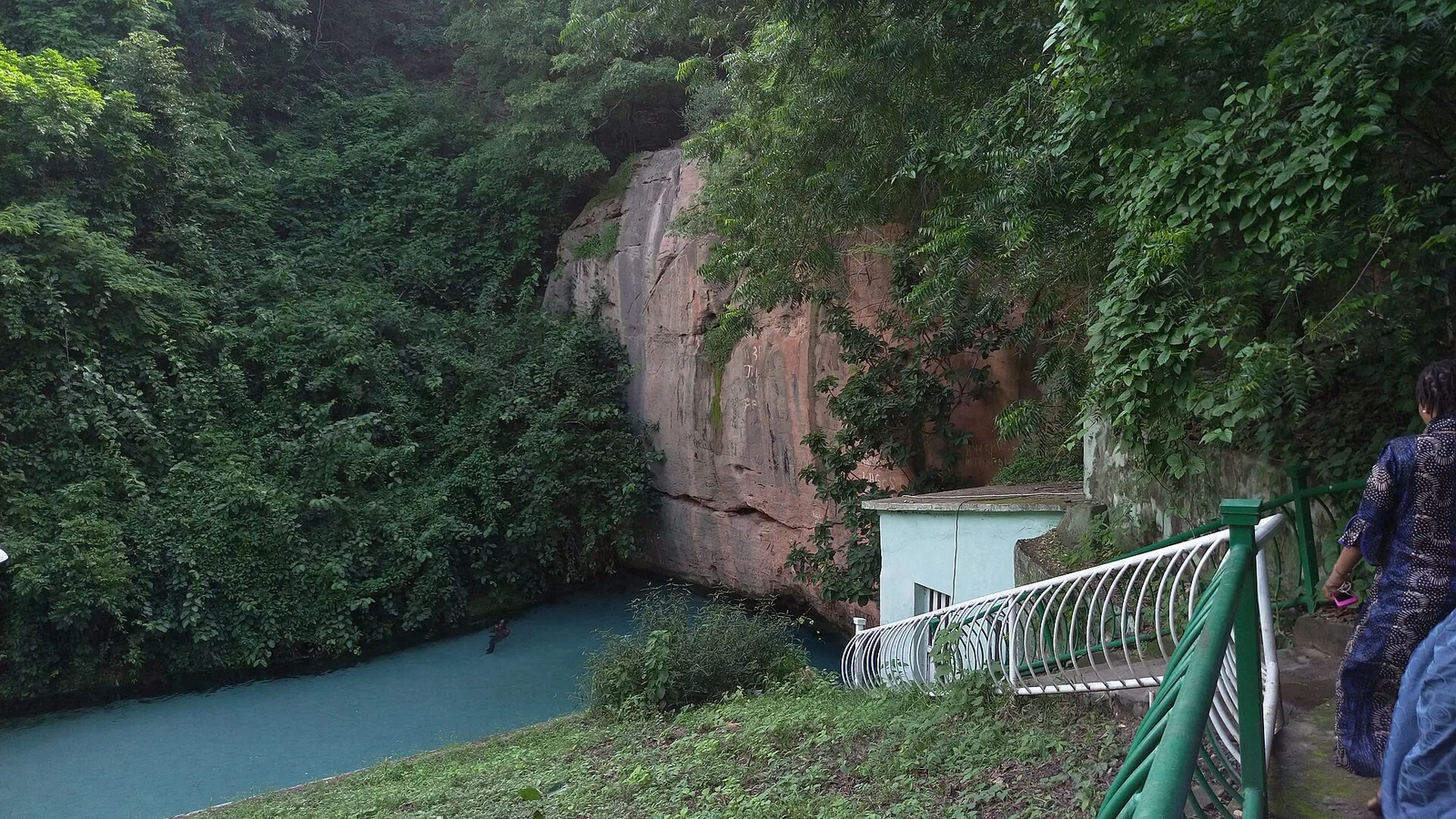
    Walk the forest path beside the Osun River past shrines and the large figures linked to Susanne Wenger. It makes Yoruba religion legible as art, ritual and woodland at once.

    Tip: Allow half a day; morning is cooler, and festival time in August is the liveliest but busiest.

  • Yankari National Park, Nigeria
    Ikani · CC BY-SA 4.0
    Nature

    Yankari National Park

    On a game drive you may see elephants, baboons and waterbuck, then cool off later in Wikki Warm Spring. It is the rare stop here where safari and swimming belong to the same afternoon.

    Tip: Stay overnight inside the park if you can; the early drive is the one to aim for.

  • Idanre Hill, Nigeria
    Ayobami Macaulay · CC BY-SA 4.0
    Adventure

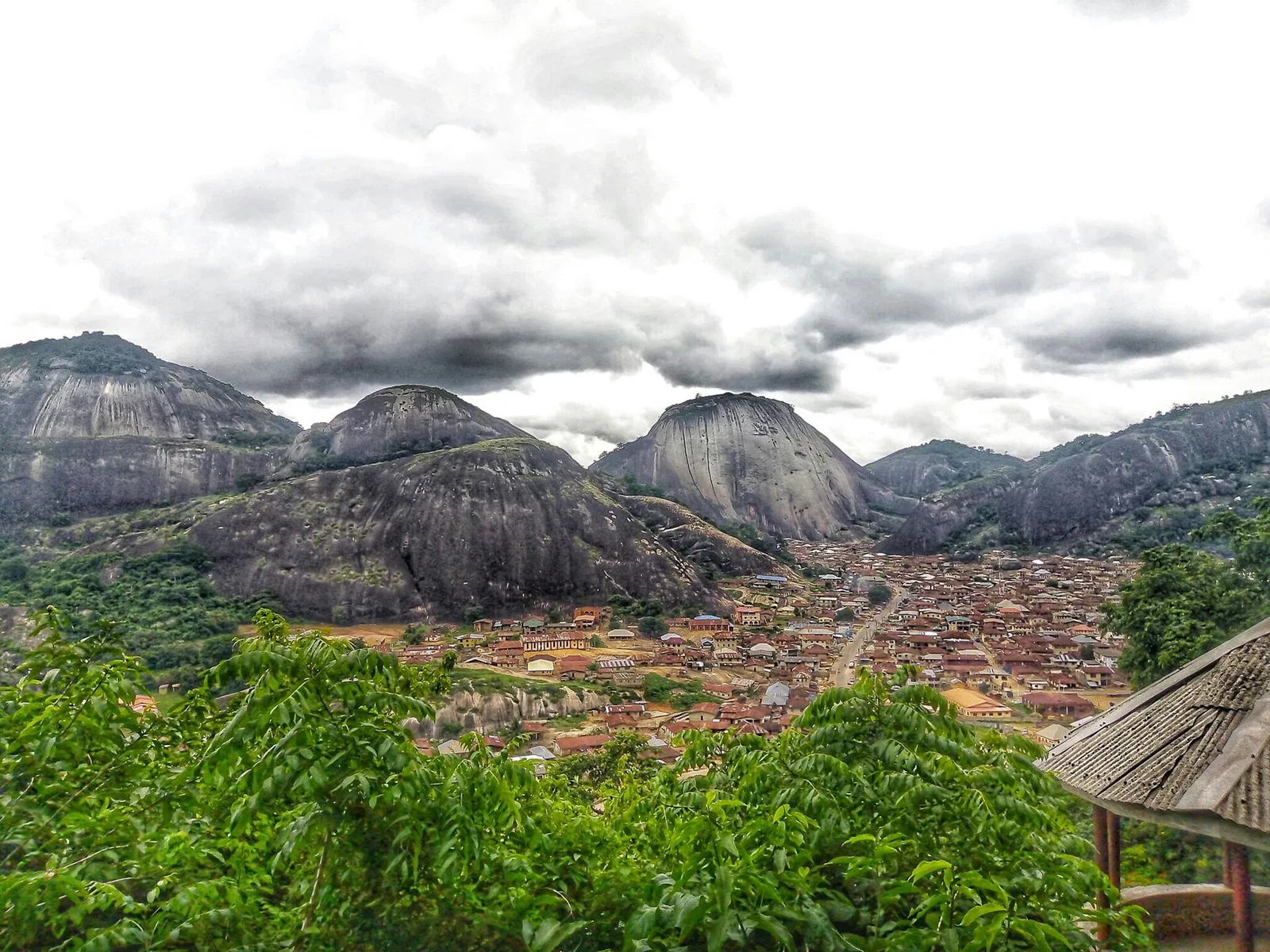
    Idanre Hill

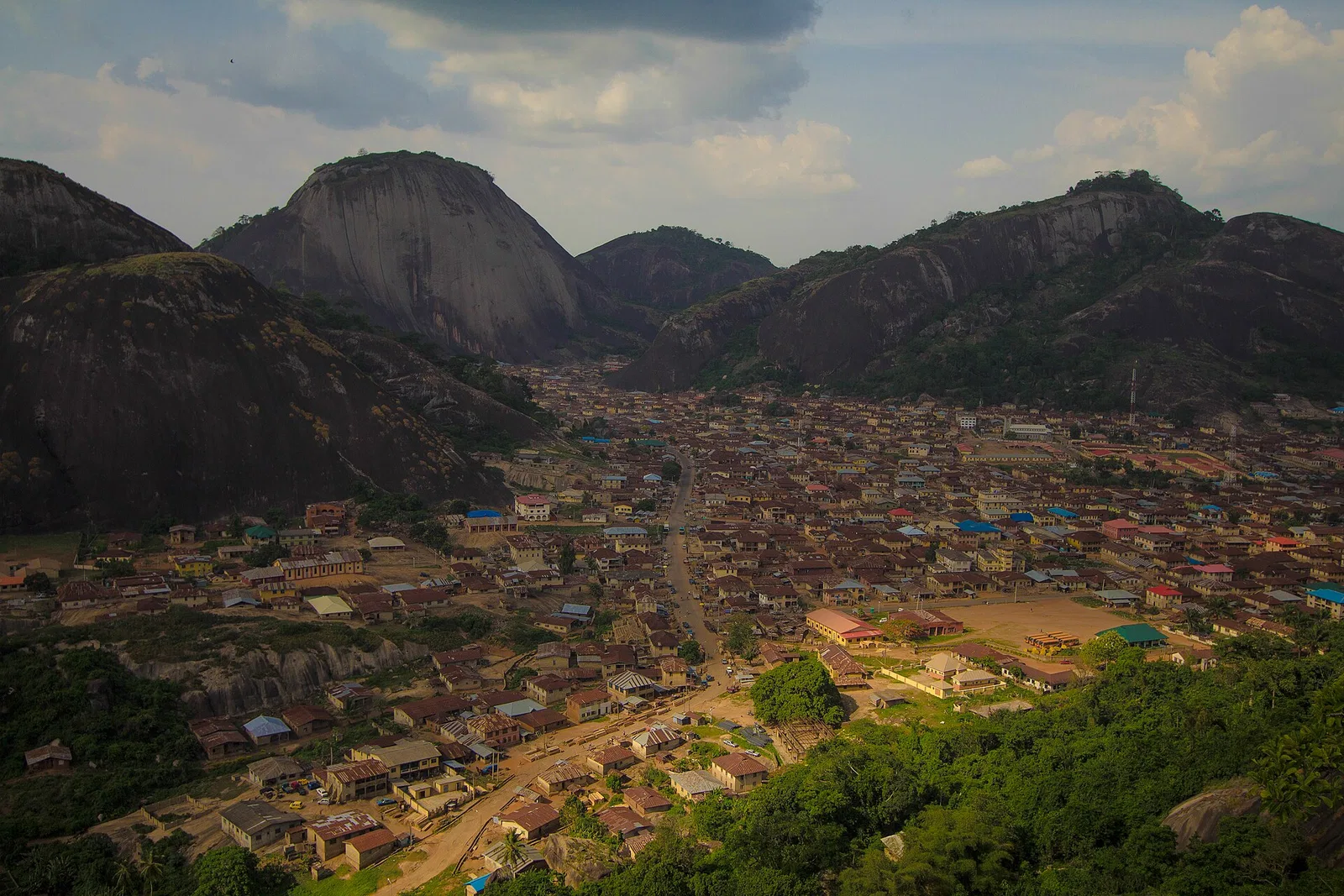
    Climb the steps through enormous granite outcrops to the abandoned hilltop quarter, where the old court, prison and shrines still stand. It is both a hard walk and a clear picture of how people once lived above the plain.

    Tip: Start at first light and allow half a day; the climb is steep and the heat rises fast.

Eat

What to eat in Nigeria

  • Suya — Nigeria
    WhisperToMe · CC0

    Suya

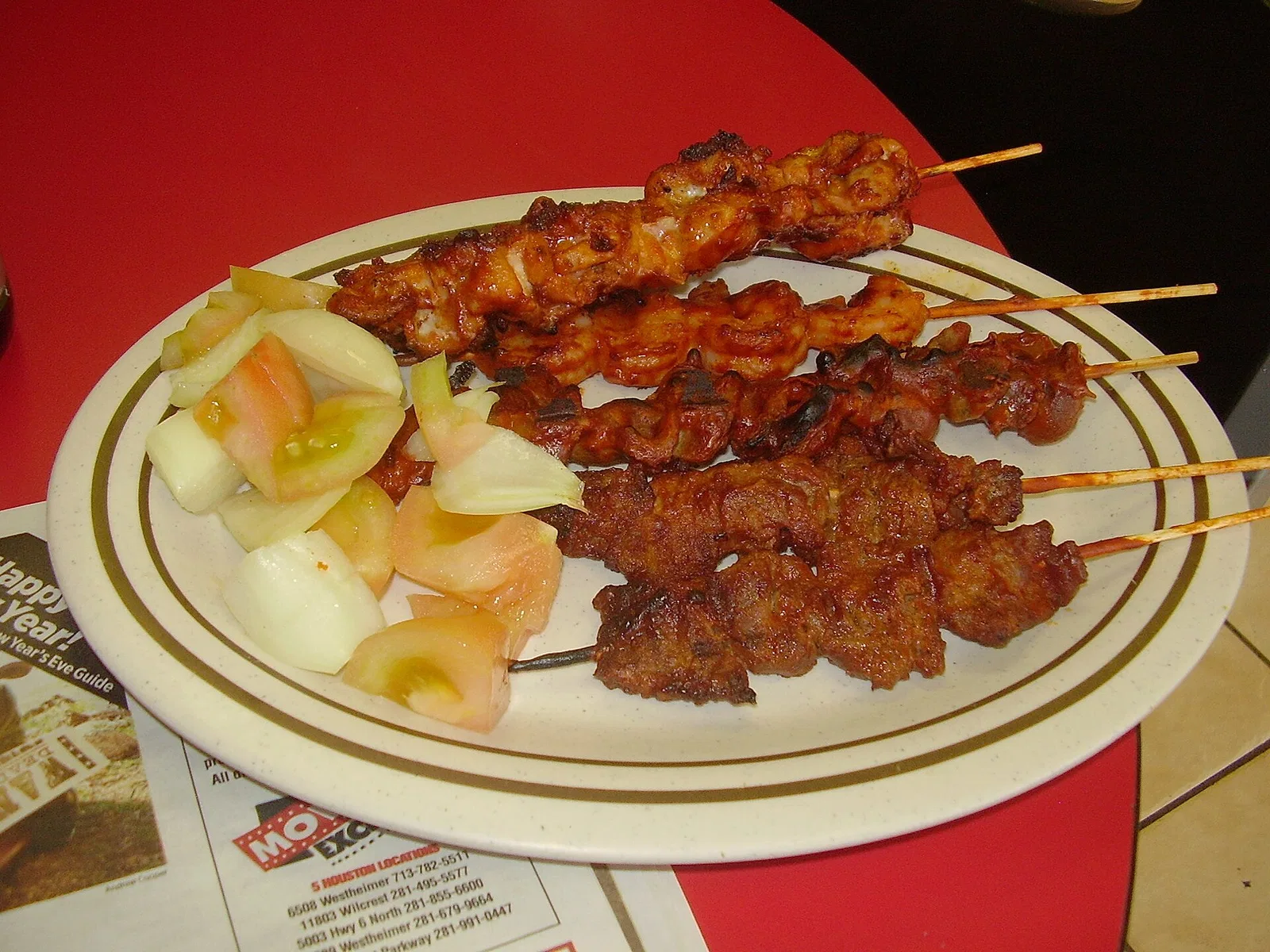
    Thin slices of beef, ram or chicken are rubbed with yaji, usually a mix of ground peanuts, chilli and ginger, then grilled over open coals.

    Where: At night-time suya joints in Yaba or around Allen Avenue, Ikeja.

  • Masa — Nigeria
    Zmu'az4Z · CC BY 4.0

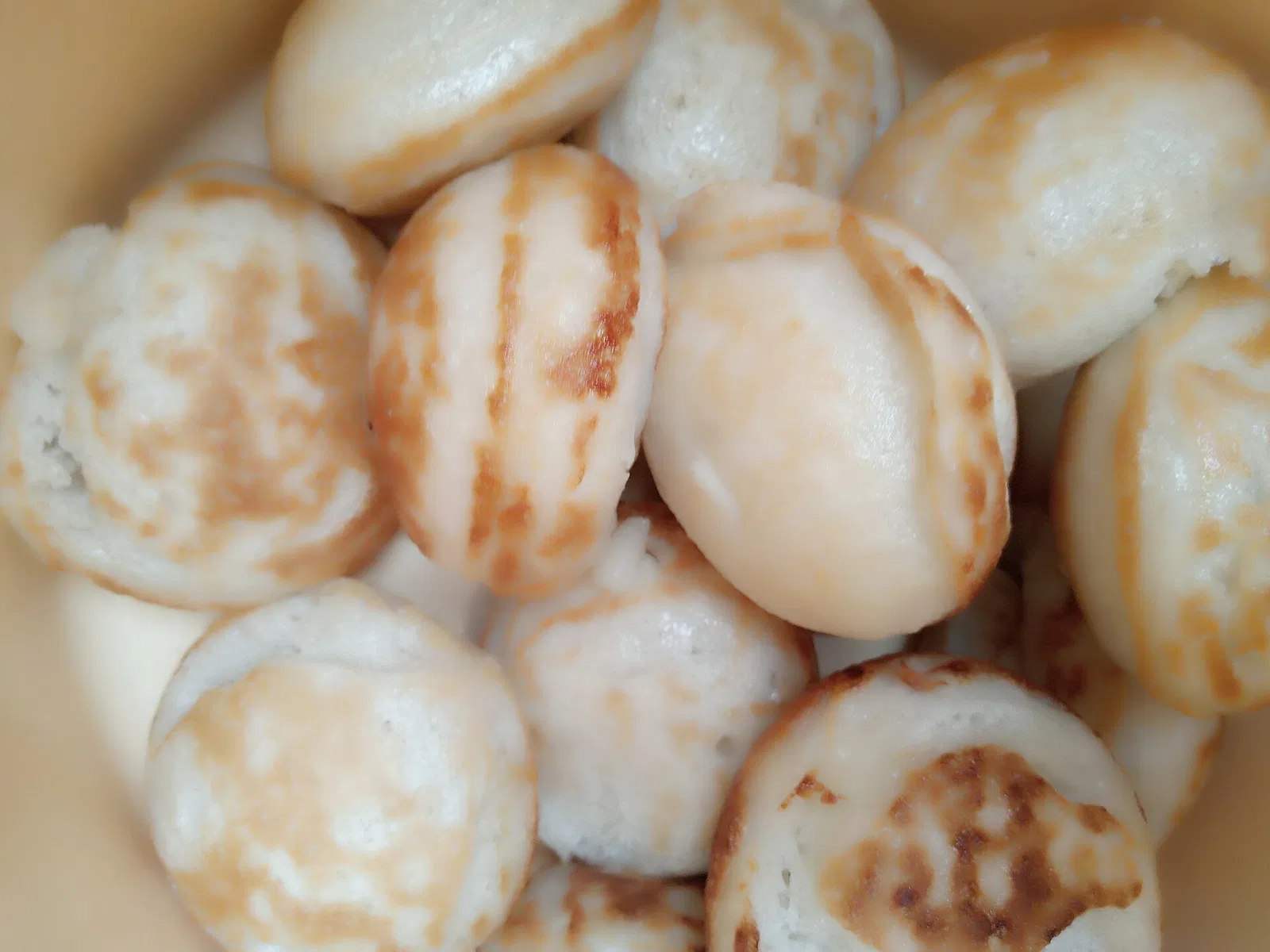
    Masa

    Small fermented rice cakes are cooked in round moulds and eaten with pepper sauce or alongside yaji-spiced meat.

    Where: At dawn stalls around Kofar Wambai and Sabon Gari in Kano.

  • Ofada rice — Nigeria
    Cherish Aurora · CC BY-SA 4.0

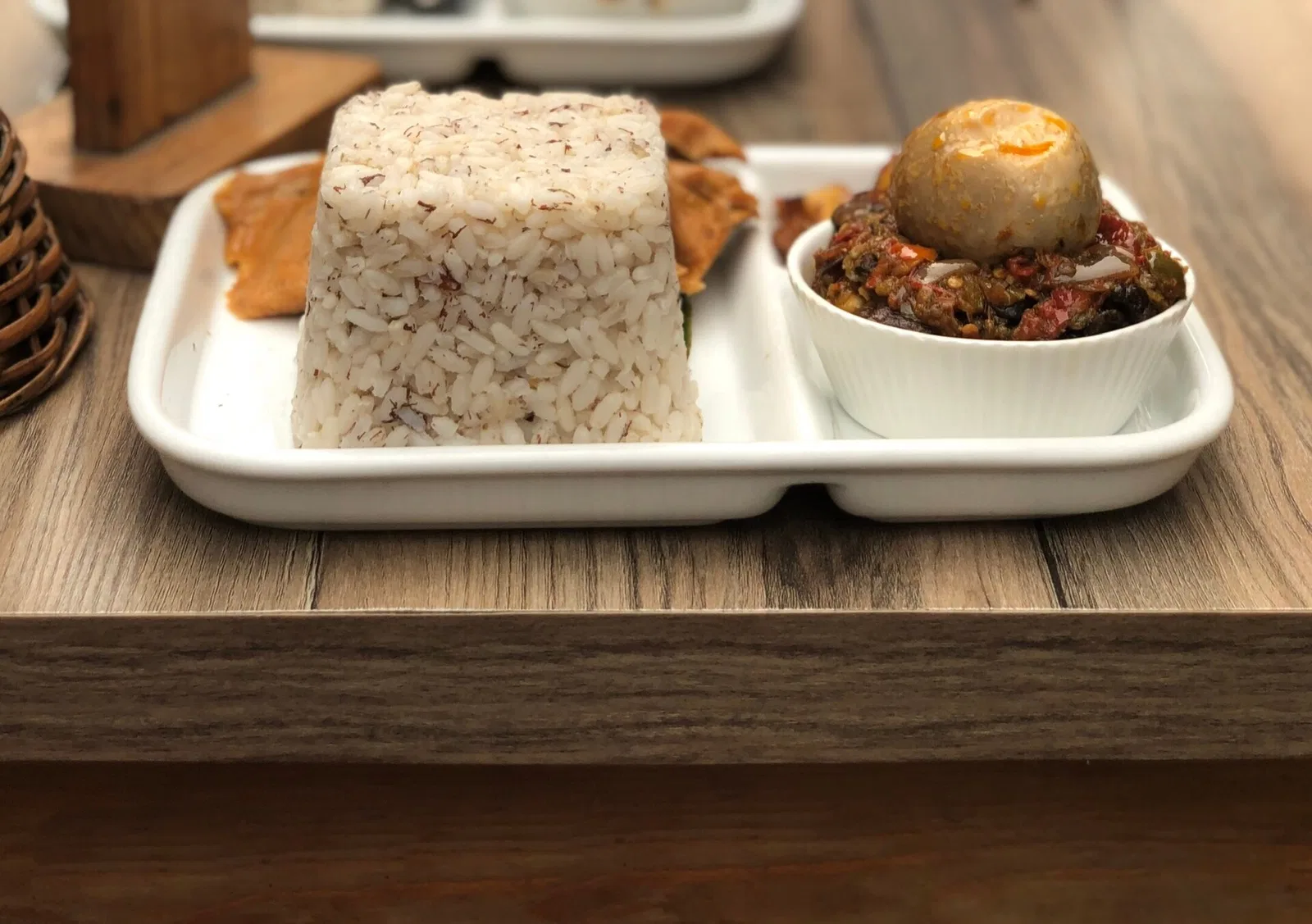
    Ofada rice

    Short local rice is served with ayamase, a green-pepper stew rich with iru and often assorted meat or boiled egg.

    Where: At buka counters in Surulere and Yaba, usually at lunch.

  • Afang soup — Nigeria
    Psalmbusy · CC BY-SA 4.0

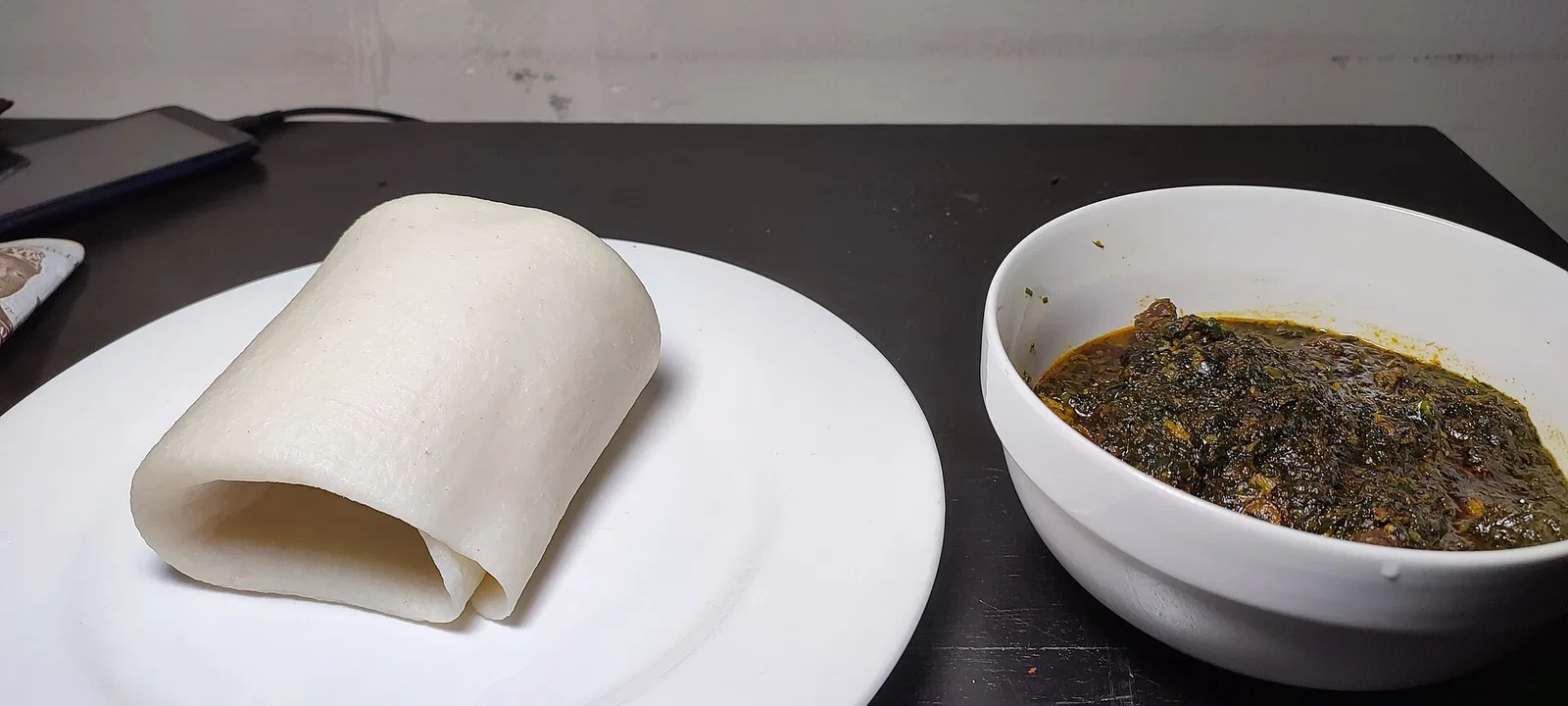
    Afang soup

    Sliced afang leaves and waterleaf are cooked with palm oil, periwinkles, stockfish and meat or fish into a thick soup.

    Where: At Calabar restaurants and Sunday family tables in Akwa Ibom and Cross River.

Story

The story, in three chapters

At dawn in Lagos, the lagoon smells of diesel and salt and the ferry jetties are already full. In Kano, indigo from Kofar Mata stains fingers blue while traders in Kurmi Market call you “my brother” and mean it for the minute. After dark, a suya stand under one bare bulb can feel like the whole country in miniature: heat, argument, spice, laughter.

  1. Chapter 1

    Before the map

    In the stories told at Zaria, Queen Amina rides out with cavalry and returns with tribute. In Benin City, court casters pour molten metal into clay moulds and lift out plaques for an oba’s palace. At Osogbo, priests keep a forest on the river as sacred ground, not parkland. Long before one state claimed the land, power moved by caravan, court and shrine.

  2. Chapter 2

    The paper union

    On 1 January 1914, Frederick Lugard signed the papers that joined the Northern and Southern protectorates. It was an office decision: files, seals, a new name. Independence in 1960 brought crowds into the streets, but by 1967 the eastern region had declared Biafra from Enugu. At Uli, relief planes came in by night, and the war taught the country how costly a line on paper could be.

  3. Chapter 3

    Cassettes and generators

    At Alaba International Market in Lagos, traders turned stacks of cassettes and VCDs into Nollywood’s distribution engine. Across town, Fela Kuti’s idea of the nightclub as political stage lives on at the New Afrika Shrine. Then laptops, streaming platforms and small studios took the sound further. The result is a country that still argues in public and now exports its arguments as songs, films and memes.

Say hello

Say it like a local

  • Abeg

    Please; also a soft way to say sorry or excuse me

    Say: ah-BEG

  • How far?

    How are you? What’s going on?

    Say: how FAR

  • No wahala

    No problem

    Say: no wah-HAH-lah

  • I dey come

    I’ll be back in a moment

    Say: ee day COME

  • Well done

    I see your effort; a greeting for someone who is working

    Say: well DON

Surprises

Things you did not know

  1. Africa’s first television station began broadcasting in Ibadan. Western Nigeria Television went on air in 1959 as a project of the regional government.

  2. The first newspaper in what is now Nigeria was printed in Abeokuta. Iwe Irohin started in 1859 in Yoruba before adding an English section.

  3. Nsibidi is an indigenous sign system from the Cross River area, not a colonial invention. It was used for messages, legal matters and ritual knowledge, often by members of Ekpe societies.

Quiz

One question

Why was Abuja chosen to replace Lagos as the federal capital?

3 days

3 days in Nigeria

  1. Day 1

    Lagos by water

    Morning ferry and walk on Lagos Island, afternoon galleries and food on Victoria Island or Lekki, evening music on the mainland at the New Afrika Shrine.

  2. Day 2

    Into Osogbo

    Drive from Lagos to Osogbo, spend the afternoon in the Osun-Osogbo Sacred Grove, then stay in Osogbo or continue on to Akure.

  3. Day 3

    Climb Idanre

    Set out early for Idanre Hill, climb before the heat, have lunch in Akure, then return toward Lagos or stay on in Ondo State.

At a glance

Nigeria: know before you go

Best time to go
November to February for drier weather, easier road travel and clearer wildlife viewing; August if you want the Osun-Osogbo festival and can handle rain.
Budget
MidStreet food and simple transport can be cheap, but long distances, domestic flights and reliable hotels raise costs quickly.
Etiquette
Greet before you get to the point. Use your right hand to give or receive things, and dress more conservatively in the north and at religious sites.
Safety
Traffic and petty theft are the everyday concerns in the big cities. Security conditions vary sharply by state, and some northeastern and northwestern areas face insurgency or kidnapping risks; check current local advice and avoid unnecessary road travel after dark.

At a glance

Capital
Abuja
Population
211,400,708
Area
923,768 km² · 356,669 sq mi
Languages
English
Currency
Nigerian Naira (NGN)
Time zone
UTC+01:00, Africa/Lagos, West Africa Time
Calling code
+234
Drives on the
Right
Internet domain
.ng
Landlocked
No, it has a coastline
More facts
Continent
Africa

Member of

  • African Union
  • OPEC
  • United Nations

Listen

Listen & watch

Before you go, watch or read

Every Day Is for the Thief

Book

Teju Cole’s Lagos notices the exact things a first-time visitor starts noticing: class, nerves, jokes, traffic and the city’s quick intelligence.

Entry requirements

Nigeria visa requirements

Nigeria entry requirements by passport: of 107 passports, 10 can enter without a visa, 14 get a visa on arrival, 59 apply online before they travel and 24 need a visa from an embassy or consulate.

Safety

Nigeria safety: is it safe to visit?

Level 3 of 4Reconsider Travel

Due to crime, terrorism, civil unrest, kidnapping, and armed gangs

US State Dept, updated October 20, 2025. Advisories change: check your own government's travel advice before you go.

Ask the community

Questions about Nigeria

No questions yet. 1 member here knows Nigeria.

From the community

Trip stories from Nigeria

Countries

🇳🇬 Today's country is Nigeria. Sukur was Africa’s first World Heritage cultural landscape. At dawn in Lagos, the lagoon smells of diesel and salt and the ferry jetties are already full. In Kano, indigo from Kofar Mata stains fingers blue while traders in Kurmi Market call you “my brother” and mean it for the minute. After dark, a suya stand under one bare bulb can feel like the whole country in miniature: heat, argument, spice, laughter. 📍 Places to visit • Lagos — Ride a ferry across the…

❤️1

Join Xplorians to react, save and comment

Questions

Nigeria: frequently asked questions

Nigeria visa: do I need one?
Nigeria entry requirements by passport: of 107 passports, 10 can enter without a visa, 14 get a visa on arrival, 59 apply online before they travel and 24 need a visa from an embassy or consulate.
Nigeria: is it safe to visit?
US State Dept rates Nigeria at level 3 of 4. Reconsider Travel: Due to crime, terrorism, civil unrest, kidnapping, and armed gangs.
Nigeria: when is the best time to visit?
November to February for drier weather, easier road travel and clearer wildlife viewing; August if you want the Osun-Osogbo festival and can handle rain.
Nigeria: what currency is used?
Currency in Nigeria: Nigerian Naira (NGN).
Nigeria: what language do people speak?
Languages of Nigeria: English.
Nigeria: what is the capital?
The capital of Nigeria is Abuja.

Travel guide

In the community

1 traveler1 trip0 want to go

See who has been there and what you need to travel.

Join the community

Track the countries you have visited and meet travelers who have been there.