St. Lucia: The only sovereign state named after a woman.

Travel guide

Featured on November 20, 2026

St. Lucia

The only sovereign state named after a woman.

  • Castries
  • Americas
  • English

Places

Places to visit in St. Lucia

Pitons, St. Lucia
Adventure

Pitons

THARUN GOWDA · Pexels License

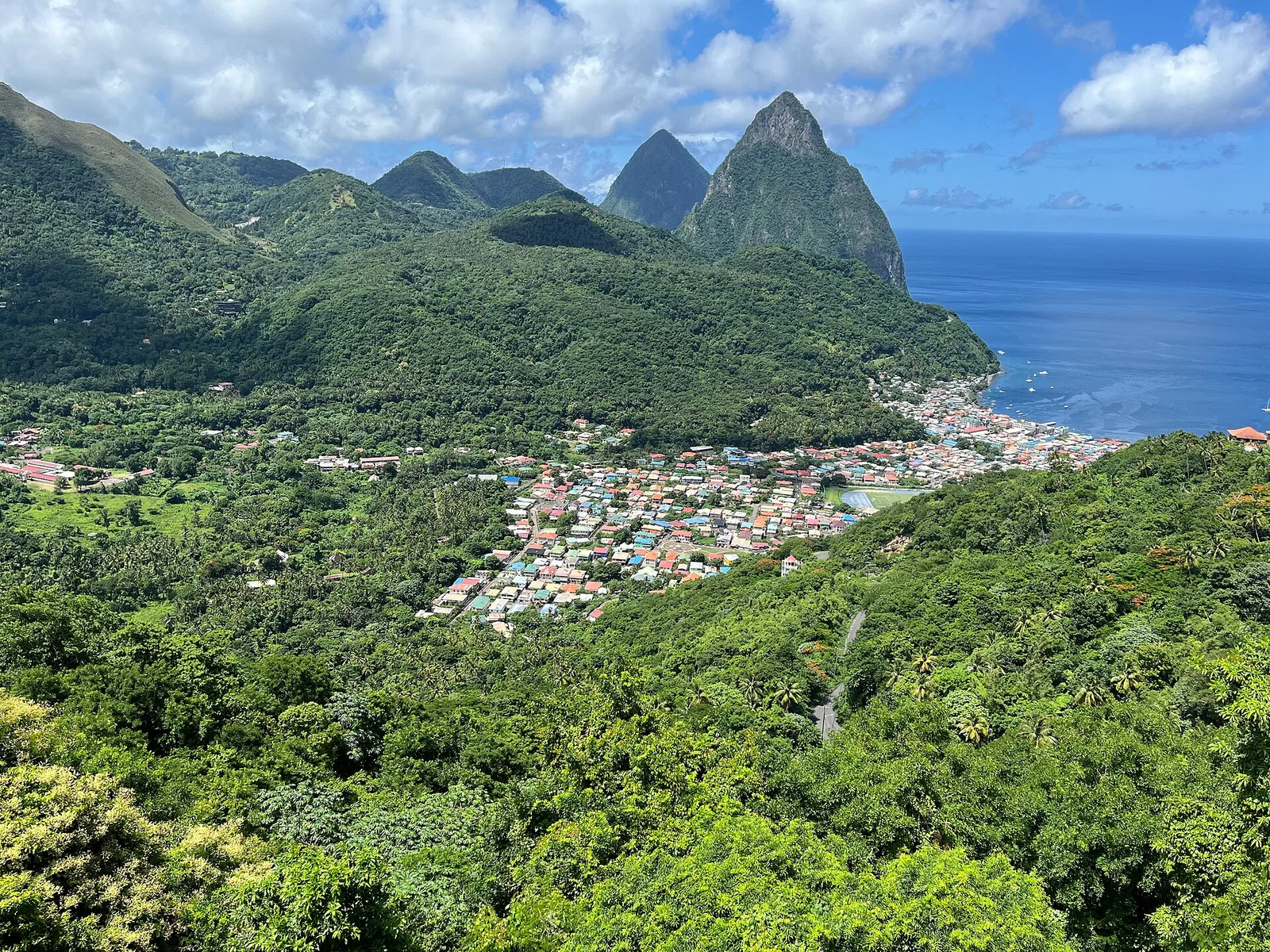
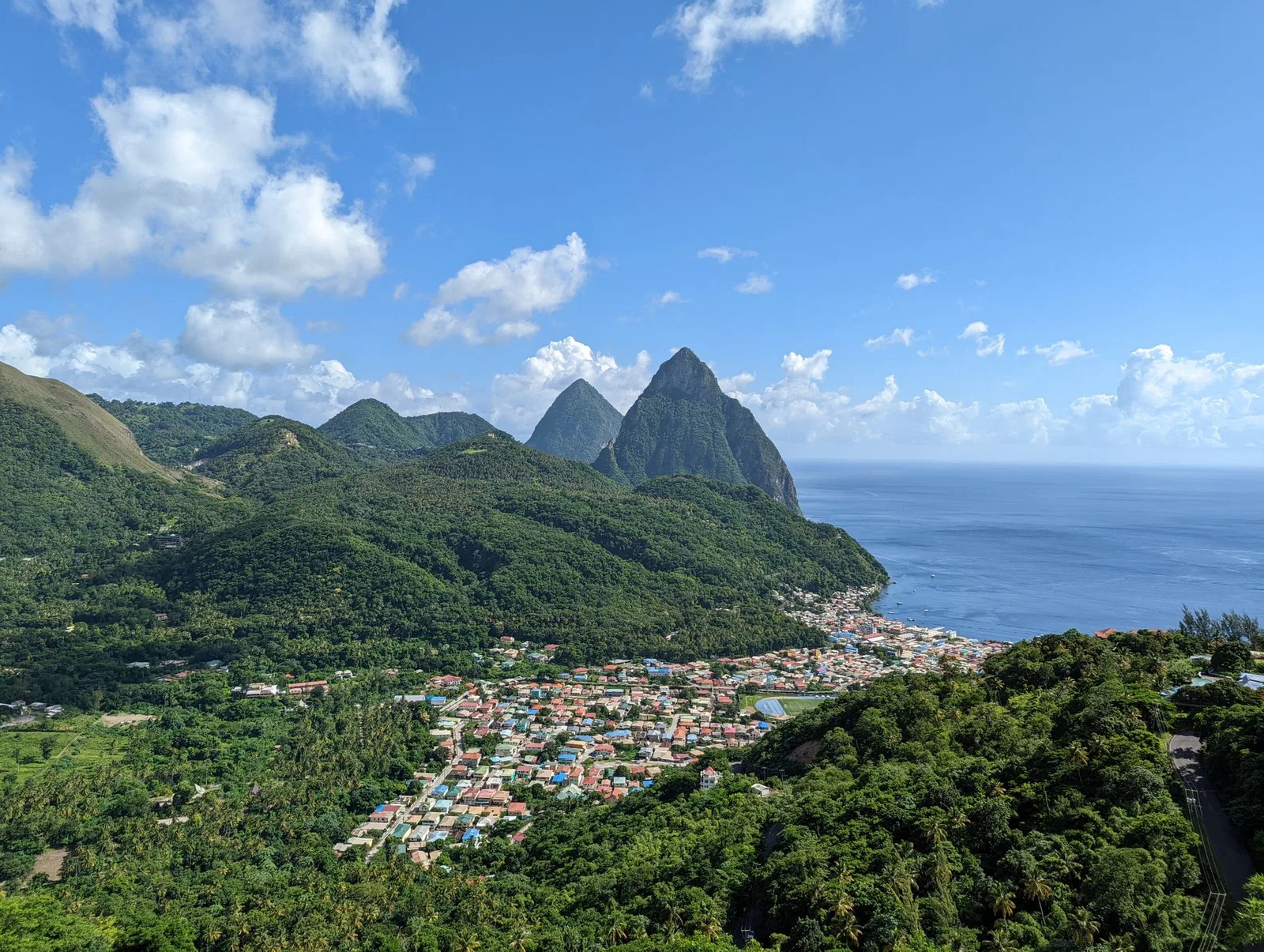
You go to understand the island’s shape. From the water the two volcanic plugs look improbable; on land, Gros Piton gives you a hard climb and a wide view over Soufrière and the west coast.

Tip: Start early if you hike Gros Piton; heat and cloud build fast, and it takes about half a day.
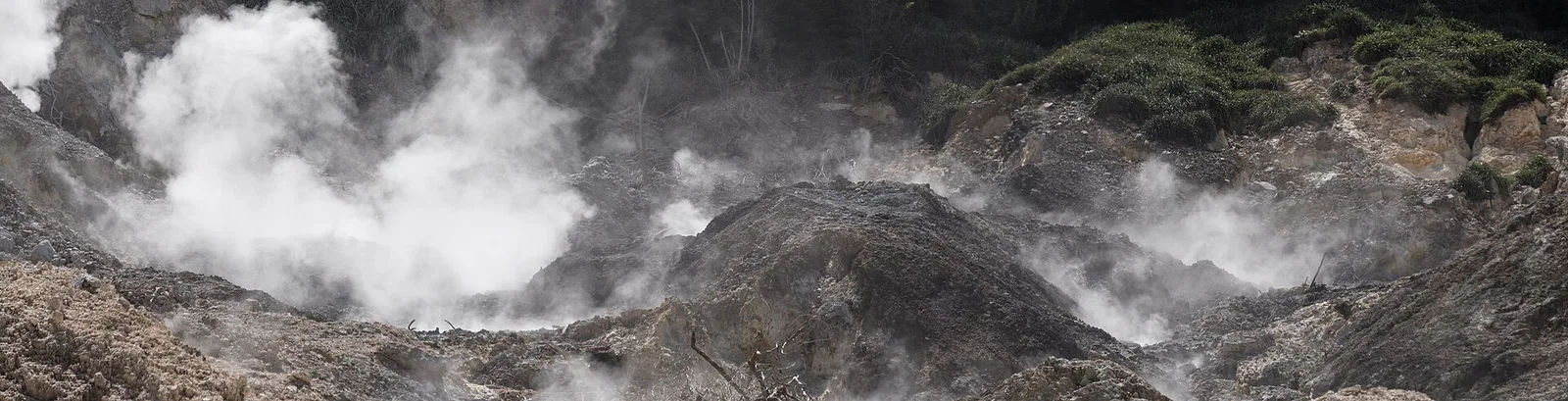
  • Sulphur Springs (Saint Lucia), St. Lucia
    Gordon Leggett · CC BY-SA 4.0
    Nature

    Sulphur Springs (Saint Lucia)

    A road takes you into a steaming volcanic basin with hissing vents, boiling pools and the blunt smell of sulphur. Most people pair the stop with the nearby mud baths.

    Tip: Go early or late afternoon to miss the busiest hours; it is worth paying for a guided visit.

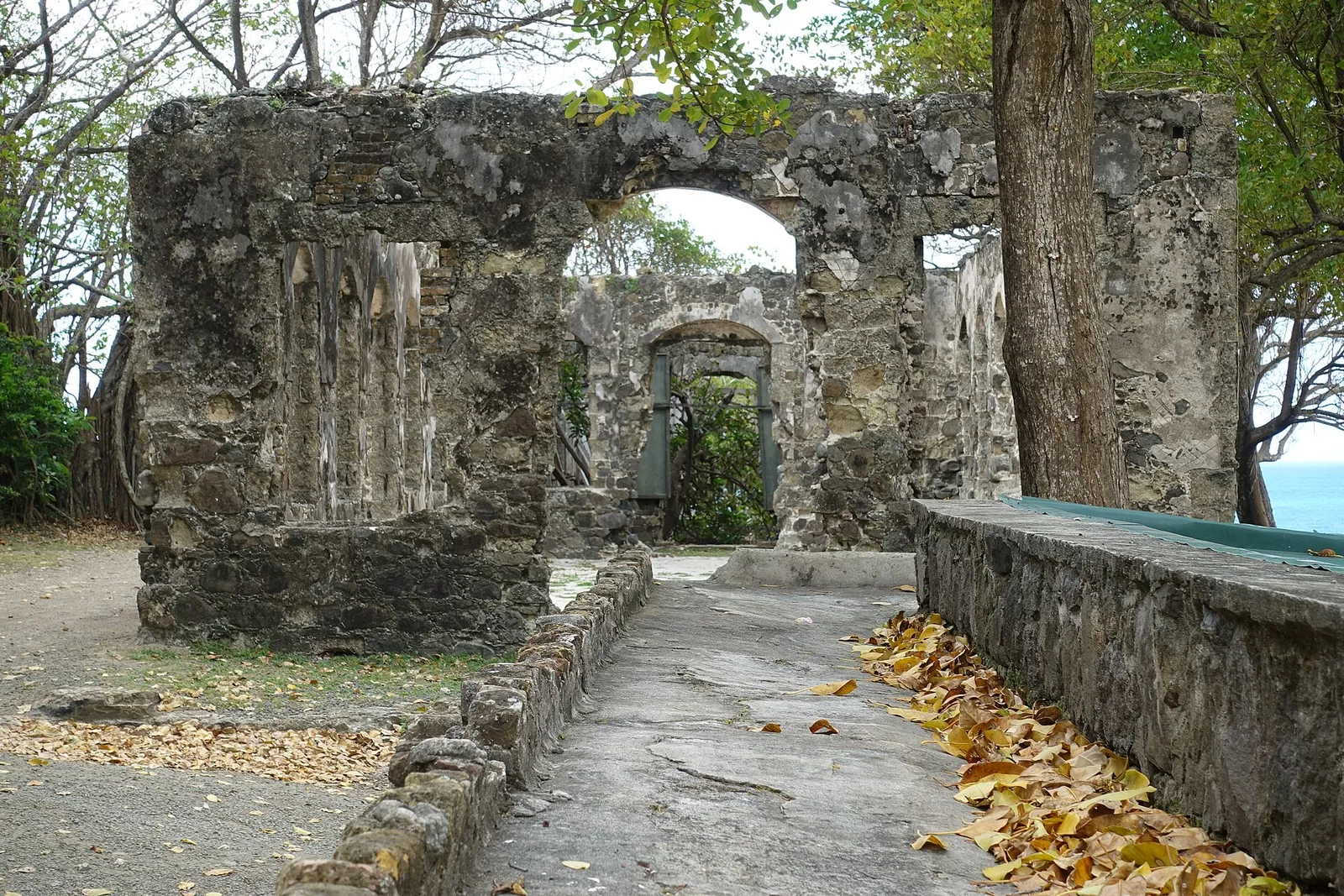
  • Pigeon Island National Landmark, St. Lucia
    Chris Hunkeler from Carlsbad, California, USA · CC BY-SA 2.0
    History

    Pigeon Island National Landmark

    British batteries, ruined barracks and lookout points sit above two small beaches. Climb to Fort Rodney and the military logic of the north coast becomes obvious.

    Tip: Give it two or three hours and bring water; the uphill sections are short but exposed.

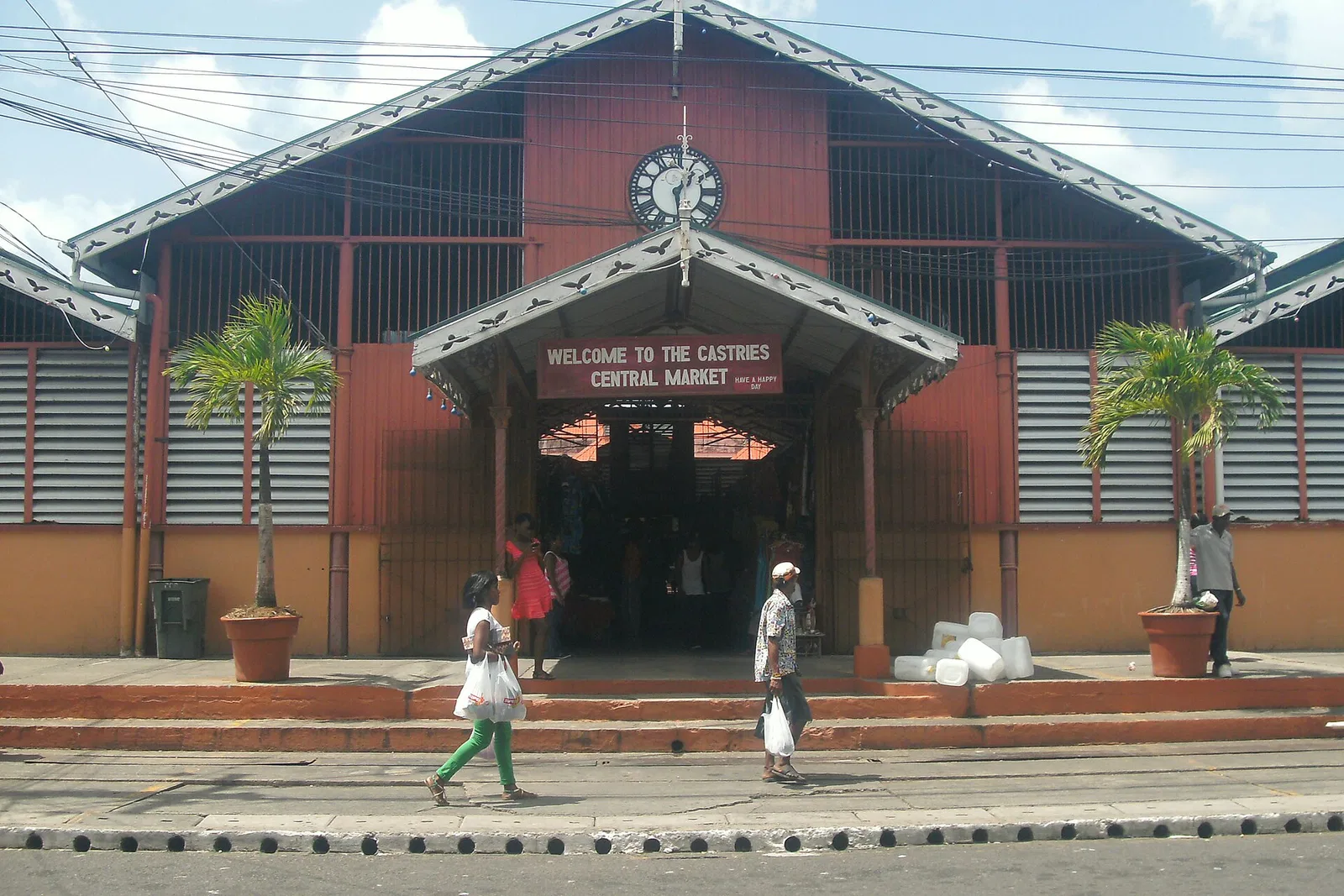
  • Castries Central Market, St. Lucia
    Gene93k · CC BY-SA 3.0
    City

    Castries Central Market

    This is where the hills empty into town: green fig, cassava bread, spice bundles, herbal bitters and breakfast plates passed across the counter. On a good morning, you hear as much Kwéyòl as English.

    Tip: Saturday morning is the fullest version; go early, carry cash, and ask before taking close-up photos.

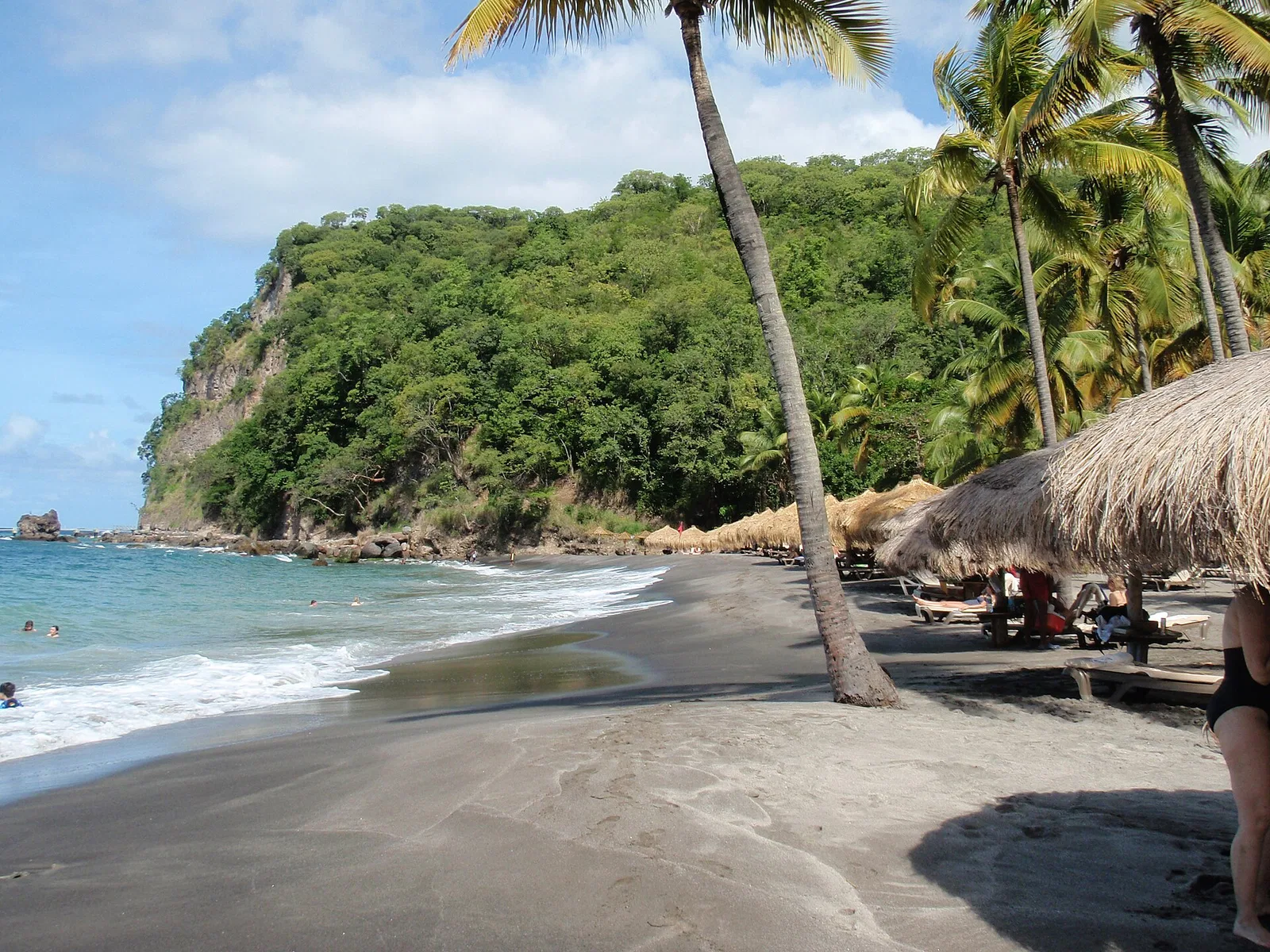
  • Anse Chastanet, St. Lucia
    XeresNelro · CC BY-SA 4.0
    Beach

    Anse Chastanet

    The reef starts close to shore, so even a short snorkel brings parrotfish, sea fans and a sudden dark drop into deeper water. It is one of the easiest west-coast swims that still feels tied to the island’s marine life rather than a hotel pool.

    Tip: Morning usually has the clearest water; the road in is rough, so leave more time than the map suggests.

Eat

What to eat in St. Lucia

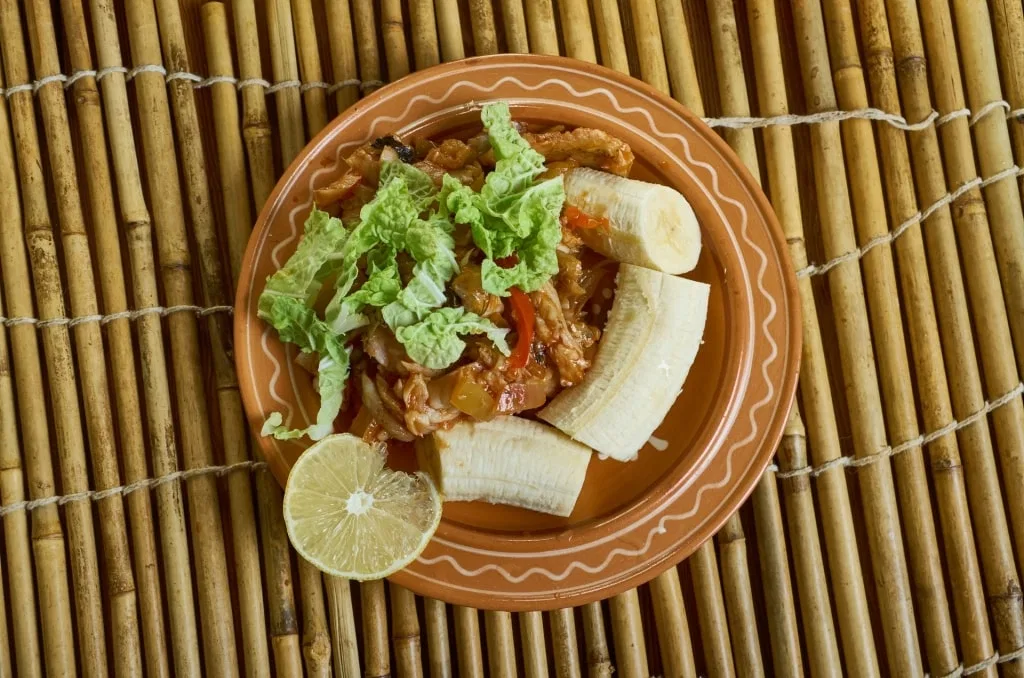
  • Green fig and saltfish — St. Lucia
    Celebrity Cruises · CC BY 2.0

    Green fig and saltfish

    Boiled green bananas are tossed with flaked salted cod, onion, tomato, pepper and herbs.

    Where: At market breakfast counters in Castries or in simple cookshops before noon.

  • Bouyon

    A thick one-pot soup-stew made with provisions such as yam, dasheen or green banana, usually with meat or fish.

    Where: In roadside lunch spots and home kitchens, especially on Saturdays.

  • Accra

    Saltfish fritters mixed with flour, herbs and chilli, then fried until crisp at the edges.

    Where: From rum-shop counters, beach bars and Friday night street parties.

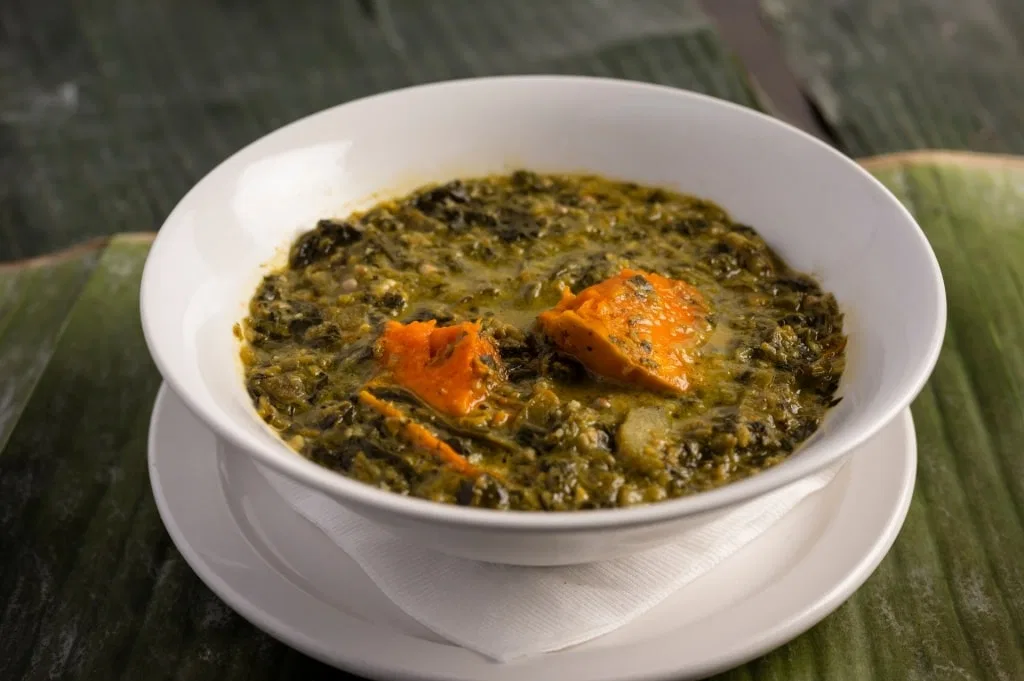
  • Callaloo soup — St. Lucia
    Celebrity Cruises · CC BY 2.0

    Callaloo soup

    Dasheen leaves are simmered with coconut milk, okra, herbs and sometimes crab or salted meat.

    Where: At Sunday family lunches and at stalls during Creole festivals.

Story

The story, in three chapters

At dawn in Castries, the market smells of cinnamon bark, green bananas and salt fish. By afternoon the Pitons sit off Soufrière like stage flats that never got struck. After dark in Gros Islet, grill smoke and speaker stacks turn Friday into a public habit.

  1. Chapter 1

    Bays before empires

    Kalinago canoes knew these bays before Europe put them on a map. In the eighteenth century French planters crossed from Martinique and planted cane in the valleys around Soufrière and Dennery. Enslaved Africans cut the cane, worked the mills, then made a new everyday world after dark: Creole speech, market dishes, feast-day music. That is why the road signs still read Anse La Raye and Choiseul.

  2. Chapter 2

    Rodney on the hill

    In the 1770s Admiral George Rodney fortified Pigeon Island and used its height to watch the channel toward Martinique. Stand at Fort Rodney and you can see why every fleet wanted this coast. The argument ended in 1814, when the Treaty of Paris left the island to Britain. English moved into schools and offices; Kwéyòl stayed in homes, songs and the market.

  3. Chapter 3

    Flag at midnight

    Just after midnight on 22 February 1979, crowds in Castries watched a new flag rise and John Compton became the first prime minister of an independent Saint Lucia. Banana boats still left the island, but tourism was already changing the coast. Derek Walcott later made local fishermen and harbour light part of world literature. Today a resort minibus and a rum-shop speaker still share the same road.

Say hello

Say it like a local

  • Bonjou

    Good morning; hello

    Say: bon-ZHOO

  • Bonswè

    Good evening

    Say: bon-SWEH

  • Souplé

    Please

    Say: soo-PLAY

  • Mèsi

    Thank you

    Say: MEH-see

  • Konmen sa ka kouté?

    How much does this cost?

    Say: kon-men sah kah koo-TAY

Surprises

Things you did not know

  1. Pigeon Island was an actual island until a man-made causeway joined it to the mainland. The name is literal history, not a flourish.

  2. The Saint Lucia racer survives only on the offshore islet of Maria Major and is counted among the world’s rarest snakes. Invasive predators wiped it out almost everywhere else.

  3. La Rose and La Marguerite are still living social societies here, each with its own songs, colours, queens and kings. They sound botanical, but they are really rival cultural camps with deep roots in community life.

Quiz

One question

Saint Lucia’s nineteenth-century Civil Code was modelled largely on the code of which place?

3 days

3 days in St. Lucia

  1. Day 1

    Castries and the north

    Morning at Castries Central Market, lunch in town, afternoon climbing to Fort Rodney and swimming at Pigeon Island National Landmark, evening seafood in Gros Islet.

  2. Day 2

    West coast to Soufrière

    Drive south with stops at west-coast viewpoints, spend midday at Sulphur Springs (Saint Lucia), then settle into Soufrière for the night.

  3. Day 3

    Gros Piton and reef

    Start before the heat on Gros Piton, lunch back in Soufrière, then snorkel at Anse Chastanet and, if you want the sea view, take a late boat out of Soufrière Bay.

At a glance

St. Lucia: know before you go

Best time to go
December to April is driest; May and June are greener and often easier on room rates; late summer and autumn are wetter and within hurricane season.
Budget
MidResorts lift the average, but guesthouses, minibuses and local lunches keep a first trip manageable if you stay outside the big compounds.
Etiquette
Greet people before asking a question. In markets and villages, jumping straight to business feels abrupt; swimwear belongs on the beach, not in town.
Safety
The biggest routine risk is the road: narrow lanes, steep bends and poor lighting make night driving tiring fast. At beaches and trailheads, leave nothing visible in the car, and use a guide for longer hikes if the weather turns.

At a glance

Capital
Castries
Population
167,591
Area
617 km² · 238 sq mi
Languages
English
Currency
East Caribbean Dollar (XCD)
Time zone
UTC−04:00, America/St_Lucia
Calling code
+1758
Drives on the
Left
Internet domain
.lc
Landlocked
No, it has a coastline
More facts
Continent
AMERICAS

Member of

  • United Nations

Neighbouring countries

Listen

Listen & watch

Before you go, watch or read

Omeros

Book

Derek Walcott turns fishermen, colonial ghosts and the sea itself into a way of reading the island before you arrive.

Entry requirements

St. Lucia visa requirements

St. Lucia entry requirements by passport: of 197 passports, 95 can enter without a visa, 50 get a visa on arrival, 0 apply online before they travel and 52 need a visa from an embassy or consulate.

Safety

St. Lucia safety: is it safe to visit?

Level 1 of 4Exercise Normal Precautions

US State Dept, updated July 1, 2025. Advisories change: check your own government's travel advice before you go.

Ask the community

Questions about St. Lucia

No questions yet. Be the first to ask.

From the community

Trip stories from St. Lucia

Countries

🇱🇨 Today's country is St. Lucia. The only sovereign state named after a woman. At dawn in Castries, the market smells of cinnamon bark, green bananas and salt fish. By afternoon the Pitons sit off Soufrière like stage flats that never got struck. After dark in Gros Islet, grill smoke and speaker stacks turn Friday into a public habit. 📍 Places to visit • Pitons — You go to understand the island’s shape. From the water the two volcanic plugs look improbable; on land, Gros Piton gives you a…

Join Xplorians to react, save and comment

Questions

St. Lucia: frequently asked questions

St. Lucia visa: do I need one?
St. Lucia entry requirements by passport: of 197 passports, 95 can enter without a visa, 50 get a visa on arrival, 0 apply online before they travel and 52 need a visa from an embassy or consulate.
St. Lucia: is it safe to visit?
US State Dept rates St. Lucia at level 1 of 4. Exercise Normal Precautions.
St. Lucia: when is the best time to visit?
December to April is driest; May and June are greener and often easier on room rates; late summer and autumn are wetter and within hurricane season.
St. Lucia: what currency is used?
Currency in St. Lucia: East Caribbean Dollar (XCD).
St. Lucia: what language do people speak?
Languages of St. Lucia: English.
St. Lucia: what is the capital?
The capital of St. Lucia is Castries.

Travel guide

In the community

See who has been there and what you need to travel.

Join the community

Track the countries you have visited and meet travelers who have been there.